Shoppers, retailers, and seasonal workforce confront ‘the new economic normal’
Nov 28, 2025 | 8:00 am ET
Description
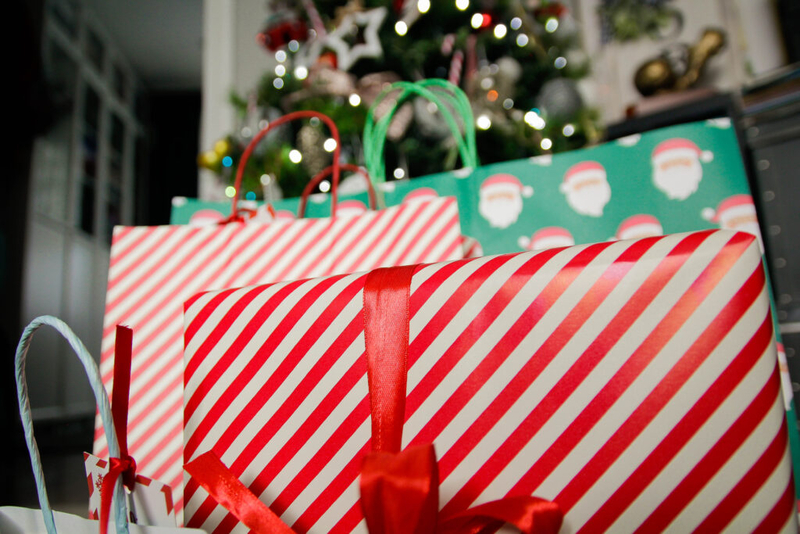
“Consumers are navigating a complex landscape,” says the Retail Association of Nevada. (Getty Images)
Total holiday spending in Nevada is expected to be higher this year than last year, but spending per person will likely decline, while seasonal hiring nationally will fall to its lowest level in 15 years, economic forecasts indicate.
At an estimated $6.5 billion, total holiday spending by Nevadans is projected to be 4% larger than in 2024, the Retail Association of Nevada (RAN) said in a forecast this week.
That’s in line with a national increase of between 3.7% and 4.2% forecast by the National Retail Federation (NRF).
Both fall short of last year, when national holiday spending grew by 4.3%.
“Consumers are navigating a complex landscape” in which “inflation, elevated interest rates, and a reliance on credit are all factors contributing to a more discerning shopper this season,” RAN said in a press release.
“While spending will increase in absolute dollars, consumers are prioritizing value, seeking deals, and managing their budgets strategically,” RAN said.
In October, a report for NRF estimated consumers nationally would spend an average of $890.49 per person this year, down 1.3% from last year’s $901.99
A consumer survey performed by Deloitte Insights indicates a much sharper holiday spending decline of 10% from 2024.
Some analysts are predicting a “K shaped” shopping season, where the spending line representing more affluent consumers goes up, and the line for less well-off consumers goes down.
However, Deloitte found spending would decrease among all income groups surveyed, including those with incomes of more than $200,000.
Slow to no hiring
Holiday hiring has been projected to be significantly weaker this year compared to 2024. “Following a summer of subdued hiring,” said a forecast issued in late September from the Challenger, Gray & Christmas outplacement firm, Challenger “expects seasonal retail hiring in 2025 to fall to its lowest point since the recession-hit season of 2009.”
“Seasonal employers are facing a confluence of factors this year: tariffs loom, inflationary pressures linger, and many companies continue to rely on automation and permanent staff instead of large waves of seasonal hires,” said Andy Challenger, the firm’s senior vice president. “While we could see a late hiring push if holiday sales surprise to the upside, the cautious pace of announcements so far suggests that companies are not betting on a big seasonal surge. This year may be more about doing more with less.”
NRF’s national forecast released this month was similarly downbeat on seasonal hiring. There were 442,000 seasonal hires in 2024. But this year NRF anticipates retailers will hire “between 265,000 and 365,000 seasonal workers, in line with a slower-paced labor market,” the lowest amount of seasonal hiring in 15 years.
“Because of the ongoing tariff situation, retailers will be closely monitoring spending patterns and waiting to make staff additions should demand strengthen throughout the holiday season,” said NRF economist Mark Matthews.
RAN’s forecast did not include Nevada-specific seasonal hiring projections.
Souring sentiment
The Conference Board’s Consumer Confidence Index indicates consumers are entering the season with sour outlooks for business and labor market conditions.
The index fell 7 points in November to 88.7 (1985=100), the lowest score since April, when Donald Trump announced his “Liberation Day” tariffs and launched a global trade war that shocked markets and consumer sentiment. The plunge in April was the lowest the index had been since 2021.
Consumers are “notably more pessimistic about business conditions six months from now,” said Dana Peterson, the Conference Board’s chief economist, in a statement accompanying the index’s release. “Mid-2026 expectations for labor market conditions remained decidedly negative, and expectations for increased household incomes shrunk dramatically, after six months of strongly positive readings,” Peterson added.
The Conference Board’s release noted that while consumers’ write-in responses “continued to be led by references to prices and inflation, tariffs and trade, and politics,” there were also “increased mentions of the federal government shutdown,” suggesting that also could have contributed to tumbling consumer sentiment.
But also this week, the Census Bureau released revised estimates for U.S. retail sales which, adjusted for seasonal variations, were effectively flat in September (up 0.1% from August) — before the government was shutdown.
Deloitte’s “holiday spending confidence index” was even less encouraging than the Conference Board’s. More than three-fourths (77%) of consumers surveyed expected prices to be higher, and 57% expect the economy to get weaker in 2026, “the least optimistic outlook since Deloitte started tracking economic sentiment in 1997.”
Trusting in adaption, resilience
Nevada retailers have strived to adapt to “the new economic normal,” said Retail Associaion of Nevada President Bryan Wachter in a release.
“They are offering compelling value, innovating their business models, and working tirelessly to meet the consumer where they are, both online and in-store.”
“This season won’t be without its challenges, but our members are prepared to deliver a successful and competitive holiday shopping experience,” Wachter said.
Matthews, the NRF’s president, offered a similarly glass-half-full assessment.
“The economy has continued to show surprising resilience in a year marked by trade uncertainty and persistent inflation,” he said. “As tariffs have induced an uptick in consumer prices, retailers have tried to hold the line on prices given the uncertainty about trade policies.”
Las Vegas, NV