New $140M Union Omaha soccer stadium, mixed-use village could hinge on paused state sports incentive
Nov 21, 2025 | 11:34 am ET
Description
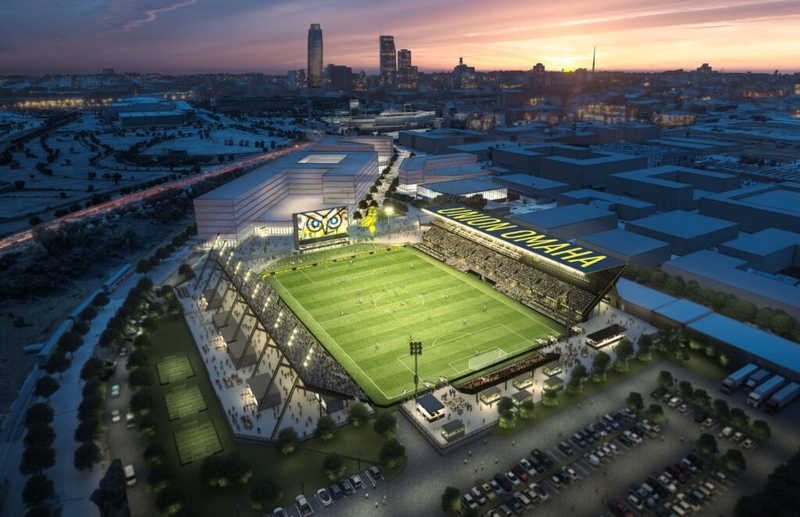
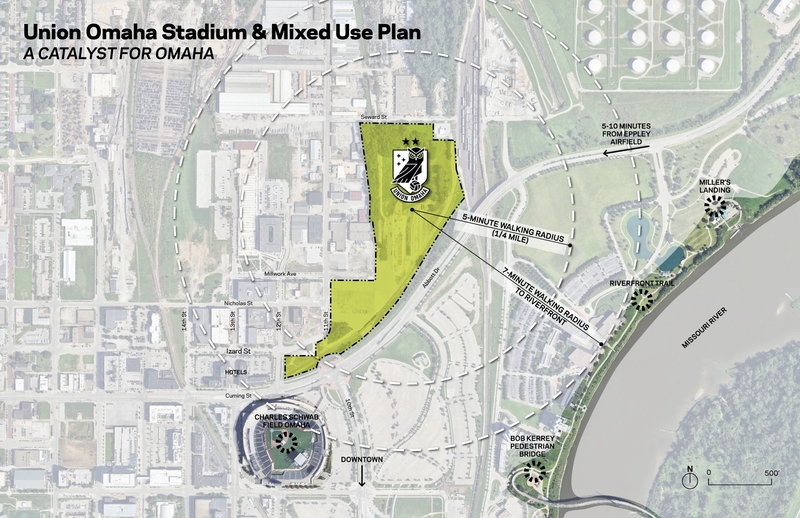
A proposed new downtown Omaha sports stadium would be owned by the City of Omaha and leased by Union Omaha soccer club as a home base for its professional men's soccer team, a new women's soccer team and other community events. A mixed-use campus with a projected investment of up to $400 million also is envisioned. (Courtesy of Union Omaha)
OMAHA — Union Omaha soccer and the City of Omaha are planning to build a 6,500-seat sports stadium to anchor a new 20-acre mixed-use entertainment and housing district in the downtown of Nebraska’s biggest city.
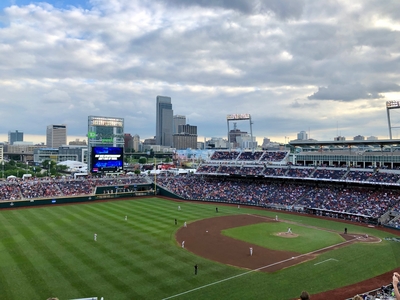
The campus — proposed to rise on a largely unused area north of Cuming Street, near where the College World Series is played — comes after an earlier downtown site fell through for the state’s first and only professional soccer club.
As planned, the City of Omaha would own the estimated $140 million open-air stadium on the tract of land east of the Millwork Commons area and is in the process of buying the land from Union Pacific Railroad. The soccer organization would lease and manage the property.
Financial and other details are contingent on various city and state approvals. The first step is securing the property, said Deputy City Attorney Jennifer Taylor. A land purchase agreement is on the City Council agenda for Tuesday.
But progress of the project also could hinge on the city and soccer club’s ability to access a bottlenecked state incentive for sports complexes that requires approval from Gov. Jim Pillen.
24-7-365 village
Union Omaha officials foresee a 24-hour village with an estimated 500 residences occupied in part by athletes. Shops, dining and offices would surround the sports complex that also would be home to a new women’s soccer team and feature various community and sporting events.
“It’s been a long and winding circular road, but we’re very happy,” said Larry Botel of Alliance Sports, which owns Union Soccer. He anticipates up to $400 million in development on the 20 acres, beyond the stadium investment.
If all goes as hoped, construction would start next year, and Union Soccer would be playing at its new home stadium in the 2028 season.
For its upcoming 2026 season, the two-time USL League One champions will play at Creighton University’s Morrison Stadium in downtown Omaha.
Botel described the new soccer stadium campus — along with nearby Charles Schwab Field of the men’s College World Series and the CHI Health Center arena and convention center — as a stadium district.
“They’re all within a 10-minute walk of each other,” he said “We’re going to be sharing amenities like parking and things like that. It’s all coming together to create a very robust stadium district for the city — it’s exciting.”
The plan has been evolving for about a year, Botel said, after the earlier site became financially unfeasible. He said the venture would be funded by both private and public dollars.
At least one difference in the current plan is a larger role by the city, which would own the sports facility. It would have 6,500 fixed seats, with overall capacity reaching about 8,500 fans who could also be in the berm and standing-room spaces. The estimated $140 million includes infrastructure costs as well.
Public incentives
One source of anticipated funding to assist with construction expenses would be the “turnback” state sales tax revenue available through the Sports Arena Facility Financing Assistance Act, he said.
Tax-increment financing also will be requested, as well as an occupation tax and possibly direct city financing using tools such as capital improvement dollars, according to a statement from the city and Union Omaha.
Omaha Mayor John Ewing called the vision “huge” and said it would be a draw for jobs and urban living.
“The stadium and surrounding district would offer another reason to live, work and play downtown, strengthening our urban core,” he said. “It demonstrates what’s possible when public and private partners share a vision for growth that benefits the entire community.”
Heath Mello, president and CEO of the Greater Omaha Chamber of Commerce, called the project “catalytic.”
“It adds energy to our urban core, helps recruit and retain the workforce of the future and creates a professional sport destination that strengthens Omaha’s competitiveness with other growing U.S. cities,” he said.
Potential headwinds
The plans come to light on the heels of statements by Pillen, who has been skeptical about the use of a turnback tax via the Sports Arena Facilities Financing Assistance Act.
Under the related law, for an applicant to tap into the incentive, the governor has to be among a majority vote of the SAFFAA board. He said he would not consider approval of any project until next June.
“I stand with Nebraska taxpayers, and against more special interest carveouts to our sales tax base when the Legislature has not yet closed the loopholes necessary to deliver lasting and transformative property tax relief to Nebraska homeowners, farmers and ranchers,” he reiterated Friday on social media.
It’s all coming together to create a very robust stadium district for the city — it’s exciting.
Here’s how the SAFFAA incentive generally works: For Omaha projects, up to 70% of new state sales taxes generated within 600 yards of the sports facility goes to help pay off bonds for construction. The “new” tax revenue generated refers to sales on tickets or at retailers that sprout in the designated area during a certain period after the project is announced. In most cases, city voters must approve the use of such bonds.
Pillen, referring to nine other pending projects requesting the state incentive, said he hopes “many of these wonderful projects succeed,” but that he was entrusted by Nebraskans to “look out for ALL taxpayers, not give subsidies to lobbyist and politician-supported special projects which could not move forward without them.”
He wrote that government should invest taxpayer dollars in “NEED-to have items like schools, security, transportation and healthcare … not nice-to-haves that should rely on the free market.”
Ewing, however, told the Nebraska Examiner that he views the SAFFAA turnback tax as a “great tool to spur economic development.” He said taxpayers will see payoff with the planned stadium activities and surrounding development.
The mayor noted that the property on which the stadium and village would rise currently contains no significant revenue-generating development. Ewing foresees the project overall producing additional sales tax, property tax and hotel tax revenue that would benefit the city, county and state.
‘How stadiums get built’
Botel said the project would be more challenging to pull off without the state incentive and said public-private partnerships are “how stadiums get built.”
With soccer ranking among America’s fastest-growing sports, he said, the project strengthens Omaha’s competitiveness with peer cities. In addition to professional soccer, the facility would host youth tournaments, school championships and learning opportunities that connect young people to the game.

Since launching in 2020, Union soccer “Owls” have been the winningest club in American professional soccer, the organization says. The team used to play at Sarpy County’s Werner Park, which was built as a baseball field.
The Owls owners sold the Storm Chasers to a new MiLB ownership group last year so playing soccer there was no longer an option.
Hines was tapped as lead developer for the stadium and other partners include global HOK design firm and Omaha-based RDG Planning and Design.
“We think the benefits of our project, almost immediately, will provide real revenue streams to both the city and state,” Botel said.
- 2:01 pmEditor's note: This story has been updated with additional comment from the organizers.
Lincoln, NE