One eastern Oregon clinic is a health care ‘lifeline.’ Medicaid cuts threaten its existence
Oct 01, 2025 | 9:00 am ET
Description
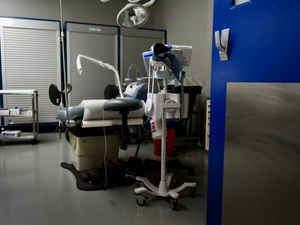
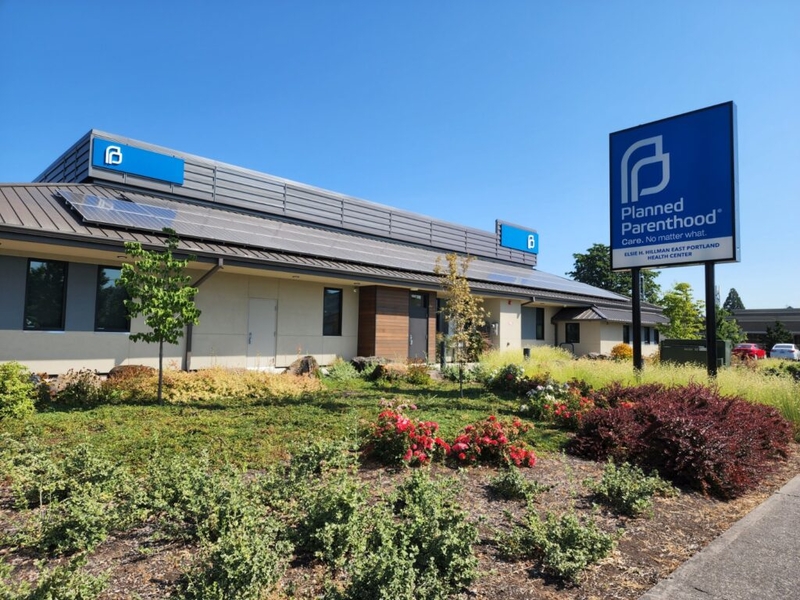
Planned Parenthood facilities, like this one in southeast Portland, provide mostly testing and treating sexually transmitted infections and birth control services. Abortions make up a small portion of the services most Oregon Planned Parenthood affiliates provide. (Photo by Lynne Terry/Oregon Capital Chronicle)
When Planned Parenthood Columbia Willamette opened a health center in eastern Oregon in 2023, it did so expecting that Idaho’s looming abortion ban would force patients to travel to Oregon for care. Two years later, that foresight proved right.
Ontario, a farming town on the Snake River known for cattle ranches and potato fields, sits one hour northwest of Boise — where Idaho lawmakers in 2020 passed a trigger law that would make abortion illegal in nearly all cases if the U.S. Supreme Court was to overturn Roe v. Wade.
Now, the Ontario Planned Parenthood health center is the nearest place many Idahoans can legally access abortion care. Between 2023 and 2024, it reported a 655% increase in patient visits, Planned Parenthood Columbia Willamette spokesperson Kristi Scdoris told the Capital Chronicle.
But its future — and the future of Planned Parenthood centers across Oregon — is in jeopardy after President Donald Trump signed a massive tax and spending law blocking reproductive health providers from receiving Medicaid reimbursements, even though federal law already bans the use of federal Medicaid funding for abortion under a 1977 policy known as the Hyde Amendment.
Although Planned Parenthood tried to block Trump’s tax and spending law from taking effect, a federal three-judge panel on Sept. 11 ruled the administration can enforce the provision. Some clinics around the country have already closed or informed patients they can no longer accept Medicaid.
About 70% of patients receiving care at Planned Parenthood health centers in Oregon were enrolled in Medicaid, and Oregon Planned Parenthood affiliates depended on about $17 million in Medicaid funding in 2024 alone, Planned Parenthood Columbia Willamette CEO Sara Kennedy told the Capital Chronicle.
Kennedy said closing a health center is the last thing she’ll choose to do, and despite the funding shortages she is committed to growing Planned Parenthood’s footprint.
“We are going to fight to be here for as long as we can,” Kennedy said. “And what we do is basic health care. We are not hunkering down in a defensive position, trying to only defend what we currently have. We are actively looking at growing and expanding and innovating and ways to keep our doors open.”
Idaho doctor talks potential loss in Oregon Planned Parenthood services
Abortion makes up a small portion of the services most Oregon Planned Parenthood affiliates provide to their patients. The Ontario location is the exception, and affiliate leaders describe it as a lifeline for out-of-state patients seeking legal abortions up to 12 weeks of pregnancy. In 2024, 80% of Ontario’s clientele came from out-of-state — most of whom were not on Medicaid and paid out of pocket.
“The demand for abortion is just so high, so the majority of those visits in Ontario — unlike anywhere else in Oregon or southwest Washington — are actually abortion-related, and most of those are medication abortion, not procedural abortion,” Kennedy said.
If the center was forced to close because of the cuts, the closest in-clinic option for abortion care would be more than 300 miles away from Boise, about a five-hour drive to the west to Bend, Oregon, or southeast to the Salt Lake City area of Utah.
Dr. Caitlin Gustafson, a family practice OB-GYN in Idaho who used to provide abortion care in Idaho before it was banned, said Ontario’s clinic helps keep abortion care safer for nearby residents, and Planned Parenthood’s model is a vital component of health care. With high established patient loads at practices like hers, especially in more rural areas of the state, the Planned Parenthood approach allows much more flexibility for basic needs like wellness exams, birth control and cervical cancer screenings.
“My preventative women’s care patients have scheduled with me months out, and there’s so many patients who need quicker and easier access,” Gustafson said.
Some younger patients, including people who want to keep their sexual and reproductive health private from the rest of their family, also prefer Planned Parenthood over a family doctor, she said.
“Sometimes the anonymity is the point for those types of appointments,” Gustafson said.
She added that access to safe, legal abortion is critical to healthy communities, and research has proven over decades that public health outcomes suffer when that access is taken away. The further away the access gets, she said, the more unsafe care is going to become.
“If they can’t withstand the Medicaid cuts and everything else coming at them, it will be a huge loss,” she said.
Oregon commits to protecting reproductive, sexual health care
The state of Oregon is a part of a multistate lawsuit against the federal government over the new law’s Medicaid reimbursement provision, which is at least the third federal lawsuit filed against the Trump administration for its attempt to block Medicaid reimbursements to reproductive and sexual health centers.
Oregon House Democrats are also planning ways to support Planned Parenthood centers facing funding cuts. On Sept.12, the House Majority Office announced it will create a workgroup to look at policy and reimbursement options to support reproductive health clinics in the 2026 legislative session.
In spring 2022, Oregon announced $15 million in grants to ensure access to abortion and other reproductive health services, with some of that money going to help cover travel and lodging costs for patients from out of state or remote regions of Oregon.
Abortion opponents including Oregon Right to Life Executive Director Lois Anderson criticized the new legislative work group. In a statement, Anderson said Planned Parenthood is “America’s biggest abortion corporation.”
“The reality is this: Planned Parenthood exists to perform abortions, and abortion is the opposite of health care – it’s the destruction of innocent human life,” Anderson said.
However, abortions make up a small share of the services Planned Parenthood affiliates provide. Nationally, Planned Parenthood abortions in 2024 made up 4% of Planned Parenthood’s 9.4 million services, according to the national nonprofit’s annual report. Over half of those services were dedicated to testing and treating sexually transmitted infections, followed by birth control services.
Oregon’s Planned Parenthood affiliates follow a similar trend.
“We provide more vasectomies, more STI screenings and treatments, more cervical and breast cancer screenings — and the list goes on — than any other health care provider in the state,” Kennedy said. “Most, or 90%, of what we do is unrelated to abortion.”
Planned Parenthood Columbia Willamette operates nine health centers, including the Ontario location and a Vancouver clinic. In 2024, it provided 7,800 abortion procedures, a fraction of its overall services compared to the 130,000 STI screenings and 84,000 birth control cycles dispensed.
Oregon AG sues Trump admin over law limiting Medicaid reimbursements to Planned Parenthood
Planned Parenthood of Southwestern Oregon operates a telehealth center and four health centers in Medford, Grants Pass and Eugene. In 2024, 13% of its services were related to abortion, while 79% were made up of family planning services such as birth control, cancer screenings, STI testing and treatment and gender-affirming care, according to its annual report.
Oregon Planned Parenthoods are already financially strained
Planned Parenthood of Southwestern Oregon CEO Amy Handler said Planned Parenthood affiliates will take a significant hit without Medicaid reimbursements. Affiliates in Oregon already operate in a budget deficit because Medicaid reimbursement rates haven’t kept up with the cost of care, she said.
“For example, we get reimbursed about $84 for a Pap smear, but it costs us $340 to provide that pap smear,” she said. “So we make that up by raising money.”
Handler said the Trump administration is targeting Planned Parenthood because the goal is a backdoor abortion ban.
“The Trump administration and anti-choice Republicans are trying to really limit the ways that people can access health care that they need and Planned Parenthood,” Handler said. “Planned Parenthood across the state of Oregon is fighting back and will continue to fight back, because that’s what our patients and our communities both need and deserve from us.”
Salem, OR