How cancelled National Institutes of Health grants are impacting SC college students
Aug 28, 2025 | 6:16 pm ET
Description
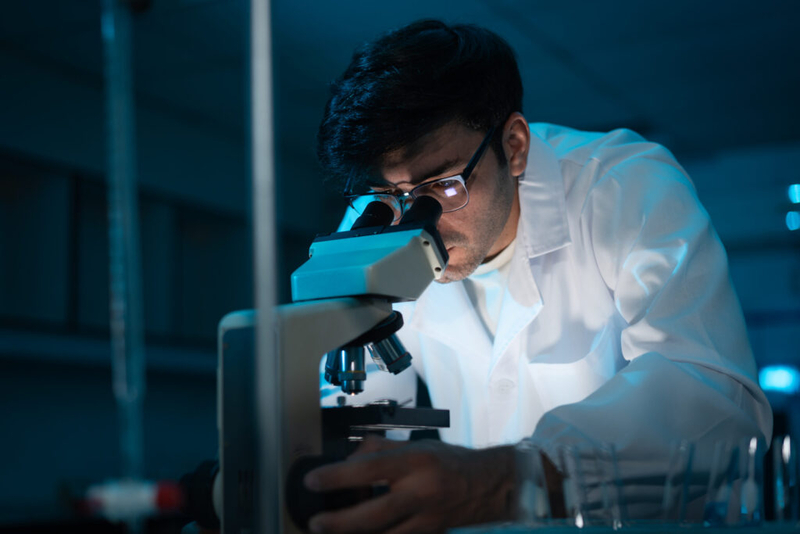
National Institutes of Health grants that paid for colleges to add more minorities to their research teams have been cancelled by the Trump administration. (Stock photo by Twenty47studio/Getty Images)
COLUMBIA — The U.S. Supreme Court last week allowed the Trump administration to proceed with cancelling hundreds of millions of dollars in National Institutes of Health grants related to diversity, equity and inclusion — including at least $8 million in South Carolina.
At South Carolina’s three research universities, that means lost funding for studies on topics such as stroke recovery, the use of artificial intelligence in trapping mosquitoes and preventing illness, and developmental delays caused by exposure to chemicals used to put out fires.
Those studies continue. But supplements for employing graduate students from certain minority populations, in particular Hispanic and Black students, have ended.
U.S. Supreme Court gives go-ahead for Trump to cancel $783M in NIH research grants
In an effort to increase diversity in the ranks of biomedical researchers, NIH offered additional grant funding that allowed colleges to expand their research teams with more doctoral students and post-doctoral fellows than they could otherwise support.
University of South Carolina professor Prakash Nagarkatti explained to the SC Daily Gazette how that could have impacted his team researching ulcerative colitis, an autoimmune disease that causes a range of painful and potentially life-threatening symptoms.
Nagarkatti, a microbiologist and immunologist, has spent more than 40 years studying inflammation in the body — starting with the effects of Agent Orange. In his most research, his team found that a compound contained in certain vegetables, such as broccoli and cabbage, could help manage colitis.
That seven-member team — three graduate students, four post-graduate fellows and three professors — includes a Hispanic student whose tuition, supplies and research-related travel expenses were fully covered by a five-year, $2.1 million grant.
But the Trump administration has ended the minority grant program, which has been around for more than three decades, as part of its efforts to root out diversity-related spending in government programs.
That could have forced Nagarkatti’s student off the team — and potentially to leave USC altogether. But Nagarkatti, a research advisor to USC’s president, ensured the student could stay on tuition-free.
“Fortunately for me, I have other resources that I can use to support the student,” said Nagarkatti, who holds the title of “Carolina distinguished professor.” “But if I was, for example, a junior faculty member and I only had one grant and I didn’t have any of the support, then basically this student would be cut off.”
Student impacts
In other situations, the loss of NIH supplements might require minority students to stay in school longer or delay finishing their dissertation because they have to take work outside of school to pay for food, gas, housing and other costs of living, according to Nagarkatti.
Or a student could have to borrow money, which for graduate students presents a second challenge, as the Trump administration’s “big beautiful” spending package placed new borrowing limits on graduate students who take out federal student loans.
In the case of the Hispanic student, Nagarkatti said, he had put in the work and applied for the grant on his own.
Nagarkatti said USC does this as a way to mentor students on how to write a grant proposal, a crucial skill for those working in academia.
The student still had about 15% of the $2.1 million — $320,000 — left to spend when the president ordered the funding frozen, according to data from the U.S. Department of the Treasury.
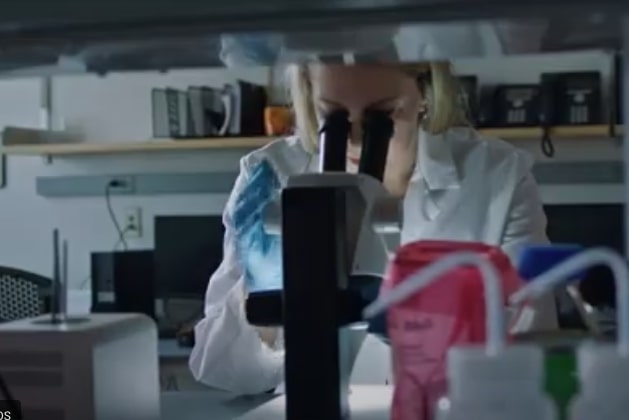
Another USC study that lost NIH funding involves high-tech mosquito traps.
A minority student brought on to assist Melissa Nolan, an epidemiology professor, held a five-year, $3.2 million grant. Her team studies mosquito species known to carry viruses like Zika and chikungunya, as well as dengue disease, for which there are no cures or vaccinations. AI is used to map out where these mosquitoes can likely be found to provide targets for spraying insecticides.
More than $940,000 of that student’s grant was unspent when it was terminated, according to Treasury data.
She declined to discuss the student’s status.
It’s unclear exactly how much was frozen at colleges statewide. Treasury data, combined with a U.S. Department of Health and Human Services list of terminated grants, puts estimates around $8 million.
The Medical University of South Carolina did not respond before deadline to questions from the SC Daily Gazette about its grant losses. Beyond a dollar amount — $16,400 — Clemson University also did not provide details about the funding it lost.
In addition to the research universities, online databases tracking these grants show losses at three of the state’s historically Black colleges.
Claflin University, a private school in Orangeburg, lost about $700,000. South Carolina State University, a public school that neighbors Claflin, and private Benedict College in Columbia were partners on several defunded projects, according to grant applications published by NIH. It’s unclear how much they specifically lost out on.
Training programs end
In addition to the loss of money for research studies, NIH also cut funding to programs for mentoring minority students.
USC had to discontinue Postbaccalaureate Research Education Programs (PREP) after losing $4.8 million in federal funding.
Nagarkatti said minority students whose test scores may not have been high enough for admission into graduate-level programs at the university could participate in the PREP program for a year, receiving one-on-one training and mentorship from research professors to help them improve.
“We recruited some of those students, and they have done so well,” Nagarkatti said.
Some went on to careers at NIH and Harvard University.
“They really excel, but they needed that one year of extensive training,” Nagarkatti said. “And because now that program has been taken away, the students now don’t have that opportunity.”
MUSC also had similar programs that may have been cut.
Columbia