‘One Big Beautiful Bill’ is a big problem for Nebraska’s health care system
Aug 15, 2025 | 4:00 am ET
Description
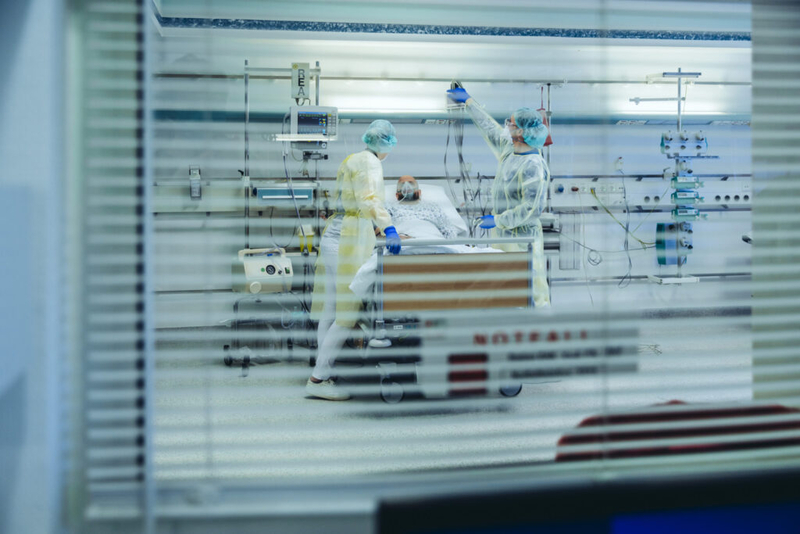
Rural hospitals are struggling to keep offering services. (Getty Images)
I was born and raised in Omaha and got my start in health care when I was just 16, working as a Certified Nursing Assistant at Methodist Hospital.
Back then, I didn’t fully grasp how special Nebraska’s health care system was. Our state is built on people looking out for one another. Whether it’s a big hospital in Omaha or a small clinic in a town of 200, we’ve always believed that everyone deserves good, reliable care — no matter where they live.
That belief is now under serious threat.
The newly passed One Big Beautiful Bill Act has a name that sounds cheerful — yet its effects on Nebraska’s health care system are anything but. Over the next decade, this bill will cut about $6.5 billion in federal Medicaid funding to our state.
As a result, more than 78,000 Nebraskans — including kids — will lose their health coverage. These harmful cuts aren’t happening in a vacuum. They’re part of a trade-off, in which health care for vulnerable Nebraskans is sacrificed to fund tax breaks for the rich.
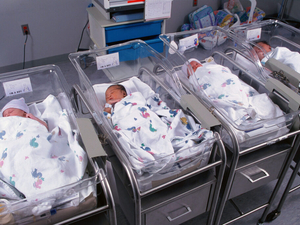
This isn’t about numbers on a spreadsheet. It’s about families who will no longer be able to take their child to the doctor when they’re sick, seniors struggling to afford their nursing home, new moms being left without nearby maternity care, and about communities that will be left without any care at all.
However, the ripple effects don’t stop at the clinic door. These cuts will cause about 5,000 jobs to be lost and slash $28 million annually in state tax revenue, successfully shrinking our state’s economy.
In addition, the bill cuts $322 million from food assistance (SNAP), putting 155,000 Nebraskans — including 64,000 kids — at greater risk of hunger. More than 70 percent of counties in Nebraska will struggle with food access. The hardest hit will be our rural communities.
Just hours after the bill passed, Curtis Medical Center announced it would shut down because of these funding cuts. Two more hospitals, Avera Creighton Hospital and Ogallala Community Hospital, are now at high risk of closing, with three more hospitals not far behind.
Yet, this isn’t surprising. In the last two years, one in five Nebraska hospitals has already eliminated key services like labor and delivery units, hospital-owned nursing homes and behavioral health, home health, hospice, and EMS services. These cuts put an already strained health system at great risk.
While the bill includes a new rural health fund, it’s simply not enough to offset this damage. A short-term grant doesn’t replace the steady, reliable funding that keeps small hospitals afloat.
This matters deeply for Nebraska. Most don’t realize how rural our state really is: nearly 7 in 10 hospitals are rural. And many Nebraskans already live far from care. Fourteen counties do not have a primary care doctor. Nearly one in six moms drive at least half an hour to find maternity care — double the national average.
And when hospitals close, it’s not just about longer drives — it’s about longer wait times for ambulances, more crowded emergency rooms and real danger when minutes matter.
Imagine calling 911 because you’re having a stroke and being told the nearest ambulance is 45 minutes away. For Nebraskans living in rural communities, this hypothetical scenario could become a reality if hospitals continue to shut their doors.
This bill threatens the foundation of Nebraska’s health care, not just facilities, but the people and values that keep our communities strong. I am proud to be raised in Nebraska, a place where people look out for each other, especially when times are tough. But with this bill, we’re turning our backs on that tradition — stripping away health care from those who need it most and handing out more to those who already have enough.
Growing up in Nebraska, I have always believed that where you live shouldn’t determine whether you live. If we let this legislation stand and don’t speak up, we’re beginning to turn our backs on that promise — and on the families and communities that built this state.
Nebraskans show up for each other when it counts. Let’s not change that now. I’m reaching out to my representatives to remind them that the “the good life” includes not only a great quality of life, good jobs and overall well-being, but care for all. I hope you’ll join me. Together, our voices are stronger.
Dr. Nikki Romanik is a distinguished senior fellow in global health security at Brown University School of Public Health. Romanik most recently served as special assistant to President Joe Biden.
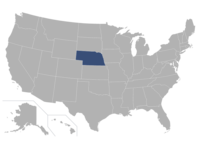
Lincoln, NE