No compromise in NC elections lawsuits
Jan 05, 2024 | 6:00 am ET
Description
Photo: Drew Angerer/Getty Images
The parties in lawsuits contesting the issue of address verification for people who register to vote during early voting periods could not come up with a compromise that would resolve their differences, they said in a court filing Thursday.
Federal District Court Judge Thomas Schroeder told lawyers for Republicans, the state Board of Elections, Democrats, voting-rights groups, and voters to try to work out a compromise concerning a contested section of a new state law that requires the ballots of same-day registered voters to be thrown out if mail meant to verify their addresses cannot be delivered, WRAL reported. At a court hearing last week, Schroeder gave them a week to get back to him.
The North Carolina Democratic Party, the Democratic National Committee, Voto Latino, other community groups and individual voters are challenging the provision in two separate lawsuits.
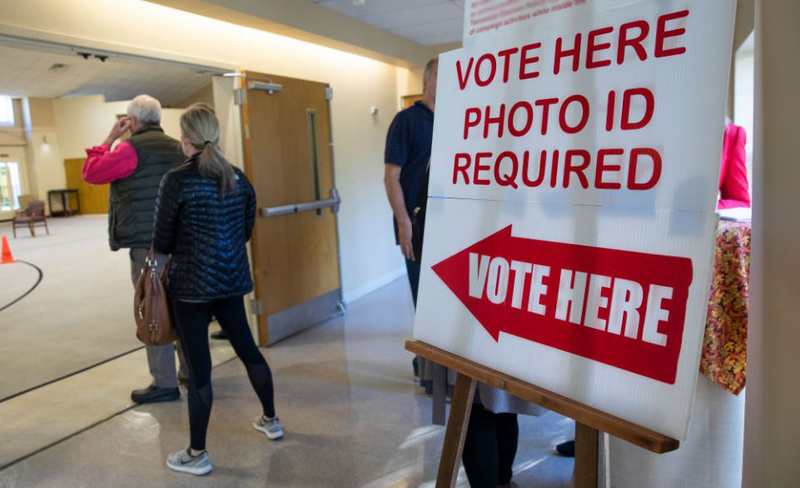
People are able to register and vote all in one trip during early voting periods. Boards of election verify registrants’ addresses by sending them mail.
Under the law passed last year, if a single piece of confirmation mail is returned to the elections board as undeliverable before the final vote count, the voter’s ballot is thrown out. Elections boards do not have to notify voters of the delivery problem.
The Voto Latino lawsuit says the provision is disproportionately harmful to young voters and voters of color, and makes all same-day registrants vulnerable to U.S. Postal Service mistakes or misaddressed mail.
Young voters and voters of color are more likely to use same-day registration and more likely to move frequently and live in places with inconsistent mail delivery, the lawsuit said.
Before this year, boards of election sent voters two pieces of address-verification mail.
The change to address verification was included in an expansive elections law that Republicans passed along party lines over Democratic Gov. Roy Cooper’s veto.
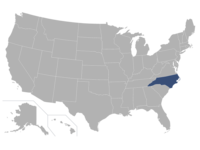
Raleigh, NC