Whether New Orleans can spend federal money to replace lead pipes up to voters statewide
Jun 09, 2026 | 1:44 pm ET
Description
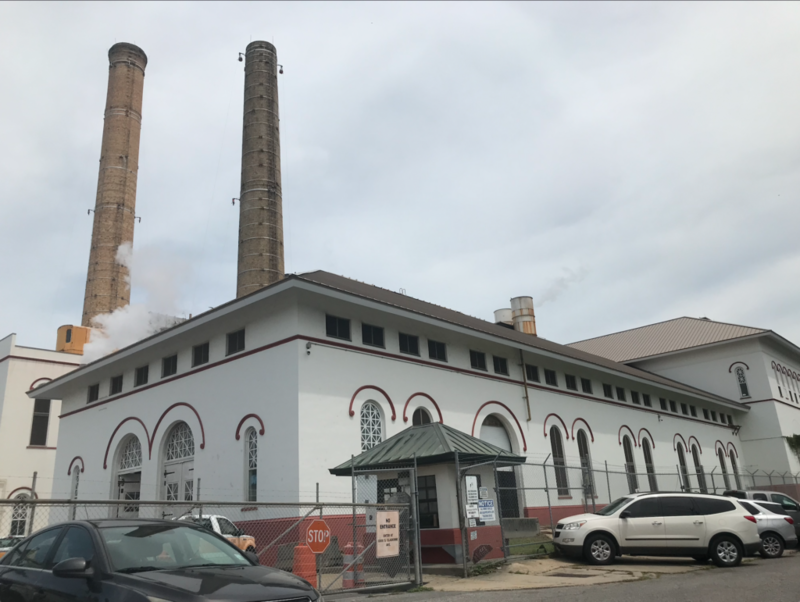
The Sewerage and Water Board plant in New Orleans, pictured Aug. 18, 2022. (Greg LaRose/Louisiana Illuminator)
Local advocates are celebrating the approval of legislation aimed at addressing New Orleans’ long-standing problem of lead contamination in its drinking water, but voters statewide will need to approve the plan in the November election.
The proposals from Sen. Royce Duplessis, D-New Orleans, would allow the use of federal money to remove hazardous lead pipes in privately owned homes and businesses. They are aimed at freeing up money the New Orleans Sewerage and Water Board has in hand to address a portion of the problem in the city.
Lead can be harmful if ingested, especially by children, causing developmental delays, high blood pressure, seizures and, in some cases, death.
The utility has $152 million in federal loans to pay for lead pipe replacement. But in order to use it, the federal government requires lead pipes on public and private property have to be removed.
At issue in New Orleans are the connections between uts public water mains and individual customers. While the Sewerage and Water Board can upgrade its own water main conduits, the connections to homes and businesses are a gray area with regards to the use of public dollars.
Local officials are worried the state constitution, which doesn’t allow the donation of public funds to private entities or individuals, prevents the federal money from being used on service lines to private property.
The constitutional amendment from Duplessis would carve out an exception for removing pipes with hazardous materials such as lead, allowing the Sewerage and Water Board to legally use its federal money to keep replacement free for residents.
“You have folks who can’t afford to have their lead service lines replaced because it’s very costly. You have folks who move into apartment complexes or into homes, and they have no idea what the infrastructure is without getting it tested,” said Kennedy Moore, policy manager for the Water Collaborative, a New Orleans-based advocacy group.
A report from the Water Collaborative in 2024 identified 88% of the 144 New Orleans homes tested across 37 different neighborhoods as having a detectable level of lead in their drinking water.
New Orleans has long dealt with lead contamination in its water supply. Old pipes and service lines can leech lead into the water as they age, and New Orleans has some of the country’s oldest infrastructure.
The price tag to start removing New Orleans’ lead pipes in accordance with U.S. Environmental Protection Agency rules is estimated to be around $1 billion. The Sewerage and Water Board recently announced that engineering firm CDM Smith will manage the replacement of the city’s lead pipes, which is planned to take place from 2027 to 2037.
Voters will consider the constitutional amendment in the Nov. 3 statewide election.
A companion bill from Duplessis allows the Sewerage and Water Board to access pipes on private property with at least seven days notice. It passed through the legislature and has been sent to the governor. If approved, it would go into effect regardless of whether the constitutional amendment succeeds or fails.
Baton Rouge, LA