What’s on the horizon for Virginia’s healthcare landscape in 2027?
Nov 24, 2026 | 5:28 am ET
Description
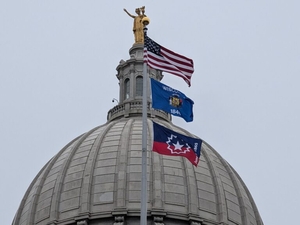
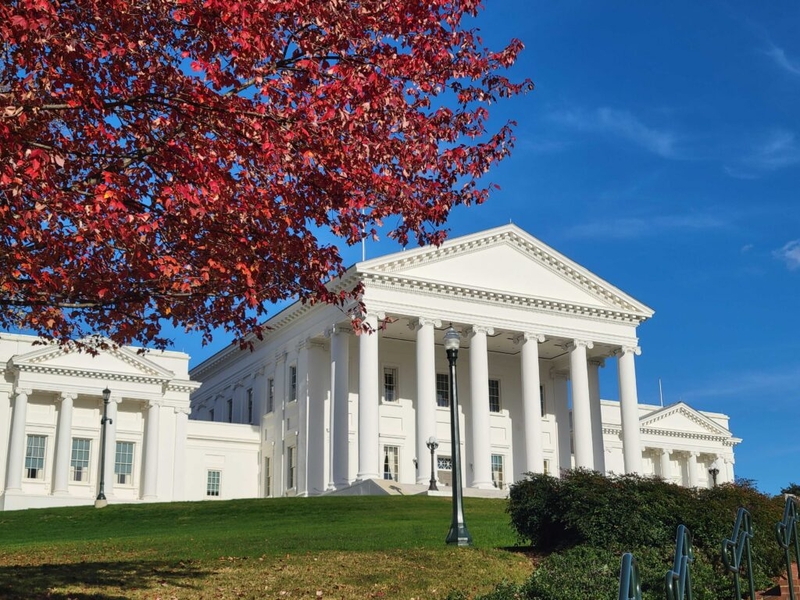
The Virginia State Capitol on Nov. 23, 2026. (Photo by Charlotte Rene Woods/Virginia Mercury)
As Virginia’s state lawmakers prepare for their 2027 legislative session, they’re also eyeing possible federal shifts in healthcare affordability and access, issues that defined congressional midterm elections and stand to impact state spending plans in the coming year.
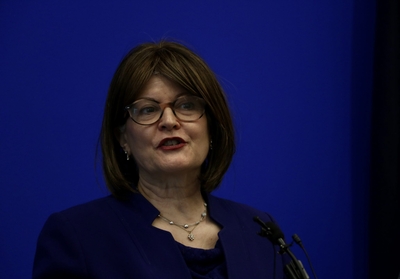
“I think the American people sent a pretty darn strong message,” said Sen. Barbara Favola, D-Arlington, who chairs the chamber’s Education and Health Committee.
Healthcare leaders and researchers have predicted the nation’s uninsured population would surge after Congress passed the reconciliation bill called H.R. 1 last summer. The bill entails forthcoming changes to Medicaid eligibility.
Starting January 2027, enrollees will be subject to an additional verification process each year and expected to meet work or volunteer hours criteria unless they have certain medical conditions.
More than 5,000 lawful immigrants were pushed off of the insurance program this fall as part of the rollout of changes.
A state report found 13 rural hospitals could be subject to closure or service cuts, and multiple Virginian hospitals have already trimmed services and cited H.R. 1 as a factor.
“The requirements were intended to kick people off the rolls,” Favola said. “The way you stop the bleed is by keeping more people insured, not less.”
Democratic candidates in Virginia and across the country cemented their campaigns on addressing H.R. 1 and restoring expired Affordable Care Act subsidies, helping flip both chambers to the party’s control.
But Favola — who also serves on the Senate’s finance committee and attended a briefing on the state of Medicaid in Virginia at the chamber’s recent retreat — still noted “uncertainty” of how soon Congress will be able to deliver, and if President Donald Trump will sign whatever they send to his desk.
That means the state legislature has to forecast carefully as it enters its next budget cycle.
Medicaid’s expenditure growth has continued to increase due to ballooning healthcare costs and the program’s expansion, according to a presentation at the retreat.
Virginia’s total healthcare spending increased from $9.4 billion in fiscal year 2017 to $28.5 billion in 2026.
The boost stems from the state’s 2018 vote to expand the Medicaid program, which widened eligibility criteria for thousands of Virginians. This enabled people without employer-provided insurance who made too little to comfortably purchase an ACA plan to qualify for Medicaid coverage.
But over 300,000 of those in the Medicaid expansion population could be at risk of dropping out of the program next year due to H.R. 1. The program is the largest source of federal funds to states, prompting Trump and GOP majorities in Congress to cut spending for the program and boost it elsewhere.
Medicaid spending in Virginia is also expected to reach 24% of the state’s general fund budget by 2028. The general fund is the bucket of the state budget that is filled through taxes from individuals, corporations and sales and use taxes.
More than adjusting Medicaid insurance for patients, H.R. 1 will also change hospital funding mechanisms that can affect their revenue and ability to chip into the state’s funding responsibilities for the expanded Medicaid populations.
As the state budget happens in two year cycles, lawmakers will begin work on earmarking spending allocations for the next two years this coming January.
Though Trump could prove a sticking point if Congress tried to reverse H.R. 1’s impact on Medicaid, Favola noted Democratic gains in GOP-leaning states with rural populations that rely on Medicaid.
Late this summer, U.S. Sen. Tim Kaine, D-Virginia, and U.S. Rep. Jennifer McClellan, D-Richmond, suggested that voters could compel more lawmakers to take action on healthcare access and possibly reverse the H.R. 1 changes.
What seems more immediately likely, Favola said, is for Congress to restore expired ACA subsidies that had helped low-income families better afford health insurance.
The debacle was the center of a government shutdown last October and spurred 17 Republicans nationwide to side with the Democratic colleagues on extending the subsidies. The votes were not enough to preserve the subsidies at the time, but Democrats have since clinched nearly 260 seats and their largest majority in over 30 years.
For now, Virginia has invested $150 million in a state-level substitute for the ACA subsidies, allowing eligible families to utilize them as open enrollment is under way for the next year.
Richmond, VA