Once seen as long shots, these Democrats in historically red districts helped turn Georgia blue
Nov 24, 2026 | 4:00 am ET
Description
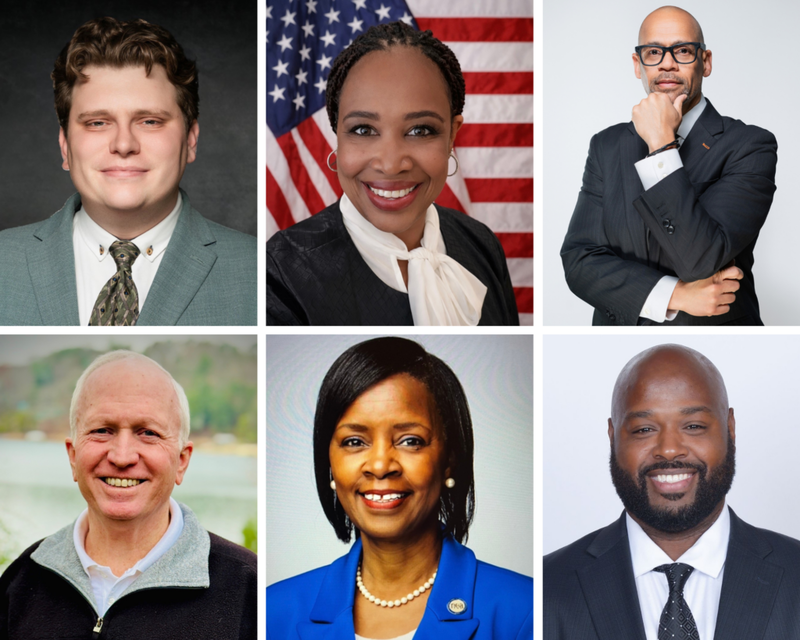
Fifty Fighting-backed candidates are shown here clockwise starting top left: David Dillie, Elisa Lassiter, Chris Luchey, Mishael White, Cynthia Starke-Jones and Scott Soracco. Luchey's race had not been officially called as of Monday. Photos were provided by the candidates
One grassroots political action committee played an outsized role in establishing a Democratic majority in the Georgia House of Representatives for the first time in more than 20 years.
The Fighting Fifty – named after the 50 state House districts Republicans had previously run in uncontested – recruited and trained five of the 10 Democratic candidates who flipped historically Republican districts, with a sixth race yet to be called and an additional 11 candidates that came within three percentage points of victory. But a previous success story, state Rep. Eric Gisler of Watkinsville, also lost his reelection bid.
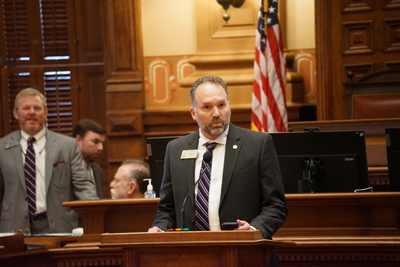
House Democrats currently have a slim one-seat majority, with three races still not officially resolved.
“We feel like it was the perfect storm. You know when the blue wave came we feel like we already had these fabulous candidates in place,” said Pam Woodley, co-founder of the Fighting Fifty. “The House would not have flipped without our candidates.”
Woodley, with co-executive director Bob Herndon, formed the Fighting Fifty ahead of the 2024 presidential election. The group contacts local Democratic parties to recruit candidates in heavily Republican districts that traditionally see uncontested Republican candidates cruise to the state Legislature. The organization provides a support network and holds informational sessions on campaigning, handling donations and fundraising efforts.
The idea is to energize lonely Democrats living in these districts through a local candidate at the bottom of the ticket, Woodley said. In turn, statewide races benefit from the increased turnout.
In 2024, the damage from state Democrats ceding rural counties to Republicans became obvious, making the group’s mission more important, Woodley said.
“When Kamala lost and just didn’t get enough votes, we realized we can no longer rely on urban voters,” Woodley said. “We’ve got to do something about our brand in these rural areas because voters tend to love Democrats’ policies if they don’t have the word Democrat attached to them.”
This time around, Fighting Fifty represented candidates Cynthia Starke Jones in Dallas, Elisa Lassiter southwest of Atlanta, Mishael White southeast of Atlanta, David Dillie near Savannah and Scott Soracco in Hall County, all flipped state House seats. Another candidate, Chris Luchey, is narrowly leading in a metro Atlanta race that still had not been called as of Monday.
Where other Democratic political action committees focus on flippable districts, the Fighting Fifty aims its efforts at districts that have backed Republicans with as much as 80% of the vote, said political director for the Democratic state House caucus, Andrew Heaton.
“There are limited resources that we have and limited staff to be able to put into a certain number of races that we think are our best path and best chances to get the majority,” Heaton said about how the Fighting Fifty has the time and funds dedicated to go beyond that.
The volunteer-led group used their shoestring budget – $294,000 this election – to get candidates in the unlikeliest of places off the ground.
“It’s important to have Democrats locally on the ballot to help energize local Democrats in areas where they might not have a reason to come out,” Heaton said.
Doubling down on these turnout efforts will be especially necessary to defend the statewide positions Democrats gained in a midterm election with record-breaking turnout, Heaton said.
Running in ‘Trump Country’
In northwest Georgia, counties overwhelmingly voted for President Donald Trump just two years ago. It’s considered such friendly turf for Trump that he visited Dalton last month to urge his supporters to “pretend” he was on the ballot in an effort to boost GOP turnout. Northwest Georgia Congressman Clay Fuller called the region “Trump country.”
And this year, some Republican incumbents here faced Democratic challengers for the first time in nearly a decade.
In one of the most conservative areas in the country, one legislative race was so close that the Republican incumbent congratulated his Democratic opponent on winning, believing he had lost before the last votes were tallied and the roles reversed.
Dalton’s Quentin Postell, a Fighting Fifty recruit who separated from the group before the primary, came within 500 votes of beating incumbent state Rep. Kasey Carpenter in the Whitfield County-based House district.
Postell held the lead for the better part of election night, and thinking he had won, Postell said he called Carpenter asking to meet in the week following the election, which Carpenter declined before congratulating Postell on his supposed victory. Shortly after the call, Carpenter closed the gap and officially won the race after trailing all night.
It was the first time a Democrat ran against Carpenter since he was elected in a special election in 2017.
“There is just so much pressure coming out of Washington that the moderates just left and went to the other side,” Carpenter said. “They were hitting the blue button because they had enough.”
After losing, Postell said he plans to run again and is grateful the Fighting Fifty pushed him to run for the state House. Most Fighting Fifty recruits, who are running for office in the nooks and crannies of Georgia, know they don’t stand a chance, but it doesn’t stop them from trying.
Rasmus Jensen heeded that call, losing the state House District 5 race in Gordon County by almost 50 percentage points but improving on the last Democrat’s performance in 2018 by eight percentage points. It’s a small gain, but one Jensen said he is proud of.

“You have to be willing to run and lose, and come back, run again, lose by less, and do that however many times it takes until you start winning. It doesn’t just have to be one candidate,” Jensen said.
A little more than a quarter of the funds Jensen raised came from the Fighting Fifty. That $6,000 in seed capital helped build necessary campaign infrastructure, he said.
“They did an awful lot with a little. It was probably one of the best investments in Democratic politics in recent Georgia history,” Jensen said about the impact the money had. “It’s worth a lot more than throwing millions and millions and millions at TV ads.”
Fighting Fifty introduced him and the other candidates to the mechanics of state politics but granted them the freedom to run their own campaign how they saw fit for their district. Northwest Georgia’s voters have very different concerns from their counterparts in South Georgia, Jensen said.
Through campaigning, Jensen said he found a community of like-minded voters – people who are politically active and outspoken. The number of active Democrats is small, but they found camaraderie, Jensen said.
“We all of the sudden made it okay to be a Democrat here,” Jensen said.
Atlanta, GA