What does it really cost Ohio households to lose power for a day?
Oct 07, 2026 | 3:30 am ET
Description
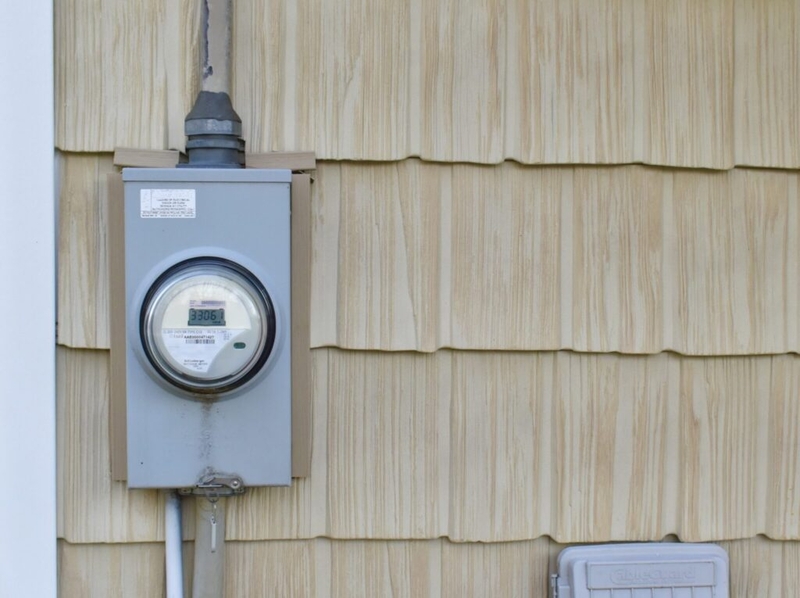
An electricity meter. (Photo by Dave Cummings/States Newsroom)
A couple months ago, I was spending time at a friend’s family cabin in Hocking County. When we awoke in the morning, the lights would not switch on. We got a call from his mother:
“Don’t open the refrigerator!”
When the power goes out, people lose more than electricity. We were lucky: we were on vacation with yesterday’s barbecue in the fridge. Often, people lose power and that means they can’t make it to work, they lose their week’s groceries, lose air conditioning during a heatwave, or have essential medicine go bad overnight.
When a customer pays her electricity bill, she is not only purchasing power. She is also purchasing reliable access to power. And she is making decisions based on that: what to buy, how to spend her time, trusting that when she plugs an appliance in and she flips a switch, she will have power.
Power companies don’t always have to live up to this, though. They often have to make decisions between grid reliability, service maintenance, and other priorities. And often, it is cheaper to leave customers with the costs of intermittent power outages.
Last month, a bipartisan group of 18 Ohio House members introduced a bill to change this.
Ohio House Bill 1014 would require utilities to provide electric bill credits to customers after sufficiently long outages at their homes.
After a 16-hour outage under normal conditions, a household would receive a credit of the greater of either $50 or their monthly bill plus additional credits for additional days, plus reimbursement for lost food and medicine. Businesses would be reimbursed with a less generous formula.
The bill also stipulates that utilities will not be able to recover those payments through higher rates to customers.
Essentially, the bill puts a price on grid reliability.
This payment is larger than some estimates of household willingness to pay to avoid outages.
According to analysis done by Lawrence Berkeley National Laboratory, residential customers have an average willingness to pay of $57 to avoid a 24-hour blackout. The average monthly electricity bill in Ohio was $135 in 2024 and is likely higher now.
But this isn’t just about compensating households in the case of a power outage. It’s also about preventing power outages in the first place.
If utility decision makers are mulling over whether to make grid improvements or invest in other changes, this could be a tool for encouraging prevention of power loss, which could lead to a more reliable grid overall.
Having a compensation rate at this level could also help improve equity of power outages.
The way the compensation scheme is designed, it makes the timeline for eligibility shorter for smaller blackouts. Restoring service to isolated or difficult-to-support customers can be expensive, while much of the cost of leaving them without power falls on those customers. Under this bill, these costs would show up in a utility’s bottom line.
Excessive fees could backfire, however. If the fee level is set too high, it could give incentives for utilities to spend more preventing outages than customers value, or divert resources from other grid investments.
Putting a price on outages, though, would give utilities a reason to account for costs that currently fall largely on customers.
Columbus, OH