Protection of the Boundary Waters is on the ballot
Oct 06, 2026 | 10:51 am ET
Description
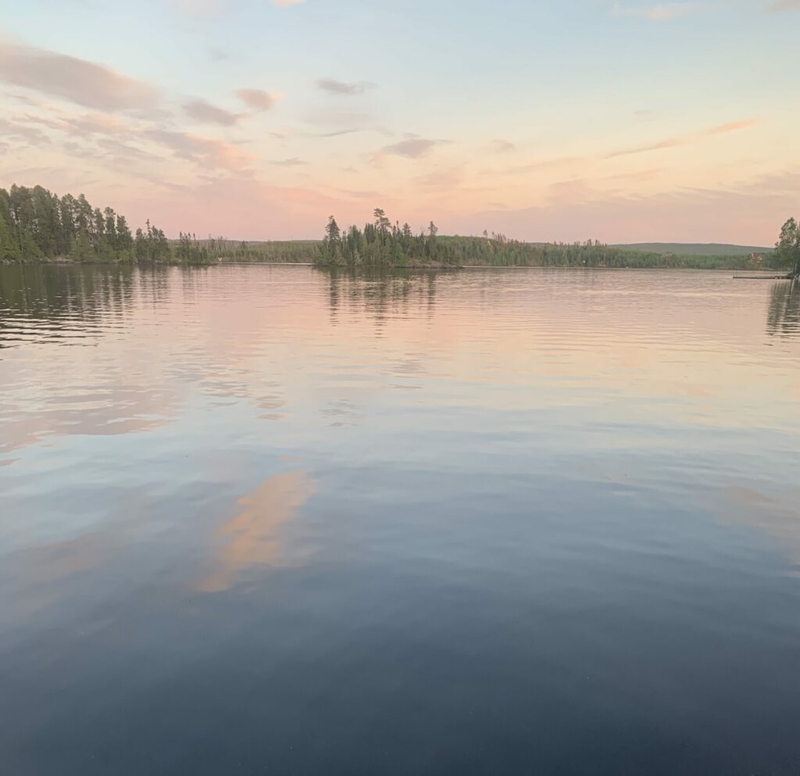
Seagull Lake near the end of the Gunflint Trail. The Boundary Waters and surrounding Superior National Forest are home to 20% of the freshwater in the national forest system. (Photo by Christina MacGillivray/Minnesota Reformer)
When Congress voted to overturn hard-fought federal protections for the Boundary Waters watershed earlier this year, it did more than revive the possibility of the proposed Twin Metals sulfide-ore copper mine.
Congress also sent a troubling message: Decades of scientific research, overwhelming public support, treaty rights and careful stewardship of one of America’s greatest public lands can be tossed aside with the stroke of a pen.
Although it was a setback, it was not the end of the story, however.
After months of watching Washington strip away important federal protections for the Boundary Waters, Minnesota answered back. Gov. Tim Walz signed an executive order that shut the door on sulfide-ore copper mining in the watershed. At least for now.
The governor’s executive order covers six specific actions, including a directive for the Minnesota Department of Natural Resources to draft legislation that would permanently ban sulfide-ore copper mining in the watershed of the Boundary Waters for the Minnesota Legislature to take up in 2027.
While permanent protection legislation has been active in the halls of the Minnesota State Capitol for years — the need is now loud and clear. Our Minnesota lawmakers can decisively act to protect the Boundary Waters and prioritize passing permanent protection when the Legislature reconvenes in January.
Walz’s executive order expires 90 days after he leaves office, which means the leaders that Minnesotans elect this November will help determine whether the pendulum swings back to toxic mining proposals near America’s most visited wilderness — or whether permanent protections finally become law.
Voters have a choice this midterm election. If we want permanent protection for the Boundary Waters, we must send more champions to St. Paul who will stand up and safeguard this special place, forever.
Passing permanent protection legislation is not unreasonable; it is common sense — and consistent with a long American tradition of setting aside our most treasured landscapes for future generations. Throughout our nation’s history, we have recognized that not every acre of public land should be available for development or extraction. We’ve made deliberate choices to protect our national parks, wilderness areas and public lands because some places are too valuable to put at risk. We can — and should — make the same choice for the headwaters of the Boundary Waters.
Passing permanent protection legislation would provide lasting certainty for Minnesota’s clean water, wilderness-edge communities, tribes and sustainable recreation and tourism-based economy that currently supports 17,000 jobs in northern Minnesota. And whether that legislation becomes law depends on who represents us in St. Paul.
Protecting the Boundary Waters isn’t a partisan issue. Minnesotans across the political spectrum consistently support protecting the Boundary Waters watershed from sulfide-ore copper mining because they understand what’s at stake. It’s about preserving our public lands, sustaining local economies and protecting a place that belongs to every Minnesotan and every American.
You can find out more about which candidates will work to protect the Boundary Waters here, and then vote like the future of the Boundary Waters depends on it. Because it does.

Saint Paul, MN