West Nile virus is entering its peak season. Here’s how you can protect yourself.
Sep 10, 2026 | 7:52 am ET
Description
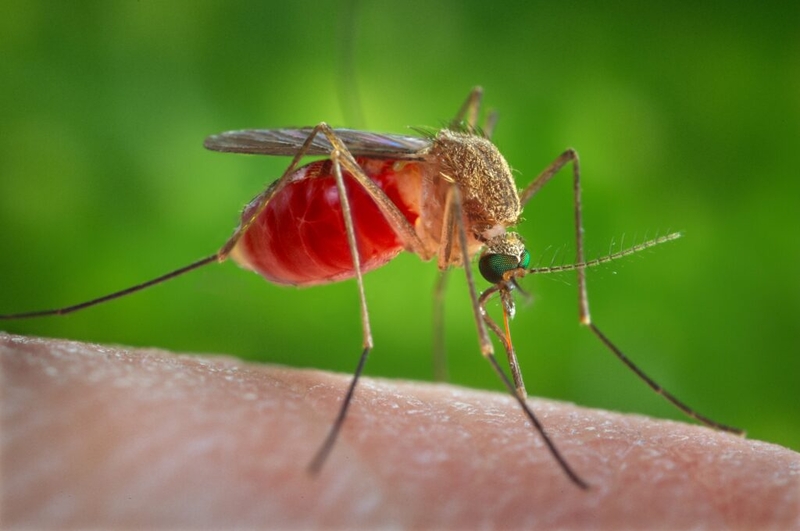
West Nile virus is primarily spread to humans through Culex mosquito bites. Photo by James Gathany/CDC
Experts are urging Georgia residents to take caution as the state enters peak season for West Nile virus, which is the most common mosquito-borne disease in the U.S.
The disease is transmitted by Culex mosquitoes, which are most active between dusk and dawn. The Centers for Disease Control and Prevention says the vast majority of people who develop West Nile virus are asymptomatic, with only about 20% of people who contract the virus displaying flu-like symptoms. However, a small portion of people who are infected will develop severe symptoms that impact the central nervous system such as encephalitis or meningitis.
A summer of recalls exposes holes in the nation’s food safety net
Those symptoms can be deadly and leave lingering health effects in those who survive a severe infection, according to Dr. Robin Dretler, an infectious disease specialist at Emory Healthcare and board member with the Infectious Diseases Society of America. People over the age of 50, organ transplant recipients and those with cancer or diabetes are at greatest risk of developing severe illness from the virus.
There is currently no vaccine for West Nile virus, Dretler added. The disease is not contagious, and most cases can be treated at home with over-the-counter medications to manage the symptoms. However, those who develop more serious symptoms should seek medical treatment.
“If you start to get conjunctivitis (pink eye), stiff neck, confused, weakness in the legs, those are signs that you may be going on to one of the severe complications and need to be seen right away,” he said.
Elmer Gray, a public health specialist at the University of Georgia who studies mosquito control, said the disease is responsible for about 130 deaths each year in the U.S.
“From an entomological standpoint, we consider those preventable deaths,” he said. “It’s not a lot of people, but if you’re one of those unfortunate people, or your spouse or child, it’s really important to you.”
Four human cases of West Nile virus have been reported in Georgia so far this year, according to the Centers for Disease Control and Prevention. Georgia’s Department of Public Health said mosquito traps in Chatham, DeKalb and Fulton counties have tested positive for the virus this year.
Luckily, Gray said there is a lot that individuals can do to reduce their risk of being infected. Wearing loose-fitting, light-colored clothing and using EPA-approved insect repellant can help curtail mosquito bites. Reducing the amount of stagnant water on your property, such as rainwater that collects in gutters and flowerpots, is also a key way to keep mosquitoes from proliferating.
“The egg, larvae and pupal stage all require water at some point,” he said. “And so, the most important thing that everyone needs to do is just be super diligent, especially this time of year, about eliminating standing water in their yards and neighborhoods.”
Georgia’s Department of Public Health also recommended that residents use mosquito repellent and reduce potential breeding sites.
“After every rainfall or at least once a week, tip out standing water in flowerpots, planters, children’s toys, wading pools, and buckets,” DPH spokesperson Nancy Nydam Shirek said in a statement. “If it holds water and you don’t need it (old tires, bottles, cans), toss it out.”

Atlanta, GA