As we look around this country, we need to ask what we’ve lost
Aug 04, 2026 | 5:30 am ET
Description
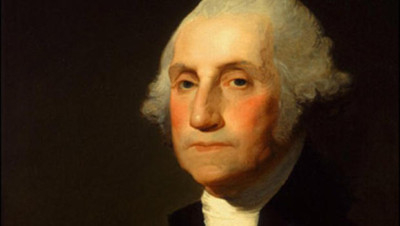
George Washington (National Archives)
Character. The word seems antique in these rancorous times, as rare as truth. As rare as objectivity and nuance in our political discourse. I recently came across Thomas Jefferson’s reminiscence of his fellow Virginian and nation-builder, George Washington:
“I think I knew General Washington intimately and thoroughly; and were I called on to delineate his character, it would be in terms like these.
His mind was great and powerful, without being of the very first order; his penetration strong, though not so acute as that of a Newton, Bacon, or Locke, and as far as he saw, no judgment was ever sounder. It was slow in operation, being little aided by invention or imagination, but sure in conclusion. Hence the common remark of his officers, of the advantage he derived from councils of war, where hearing all suggestions, he selected whatever was best . . . . He was incapable of ear, meeting personal dangers with the calmest unconcern. Perhaps the strongest feature in his character was prudence, never acting until every circumstance, every consideration was maturely weighed, refraining if he saw a doubt, but, when once decided, going through with his purpose, whatever obstacles opposed. His integrity was most pure, his justice the most inflexible I have ever known, no motives of interest or consanguinity, of friendship or hatred, being able to bias his decision. He was, in every sense ot the words, a wise, a good, and a great man.”
Thomas Heming, “The Man from Monticello”
What have we as a nation, sharing a common humanity, lost in character, in the devolution of our leadership and the principles of service and selflessness? Would either Washington or Jefferson recognize the democracy they risked their necks to bring us? Would they endorse the distortions of the founders’ legacy of living ideals in the U.S. Constitution over a war of competing ideologies and tribal allegiances?
Theirs was a policy that welcomed the inevitable tide of immigrants. They always saw themselves serving the greater good of the American people. In his endorsement of freedoms, Jefferson, despite his owning human beings, worked to end the practice of slavery. Each surrounded himself with the most capable individuals he could find, believing in the collective wisdom of a few to benefit the many rather than the echoes of “yes men.” Each believed in free speech and the necessity of an informed electorate, confident in replacing an hereditary aristocracy with an aristocracy of merit.
The Greek word aristos means “best.” Aristocracy means “the rule of the best.” What are we leaving our grandchildren? Each of us should consider these questions and revisit our founders’ principles of inclusiveness and equal opportunity as well as reviving their virulent distaste for tyranny.

Frankfort