Wayne State University educator advocates for Juneteenth curriculum at state level
Jun 19, 2026 | 9:00 am ET
Description
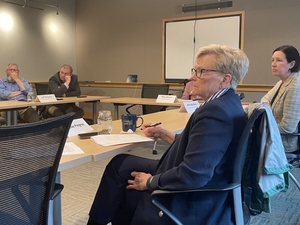
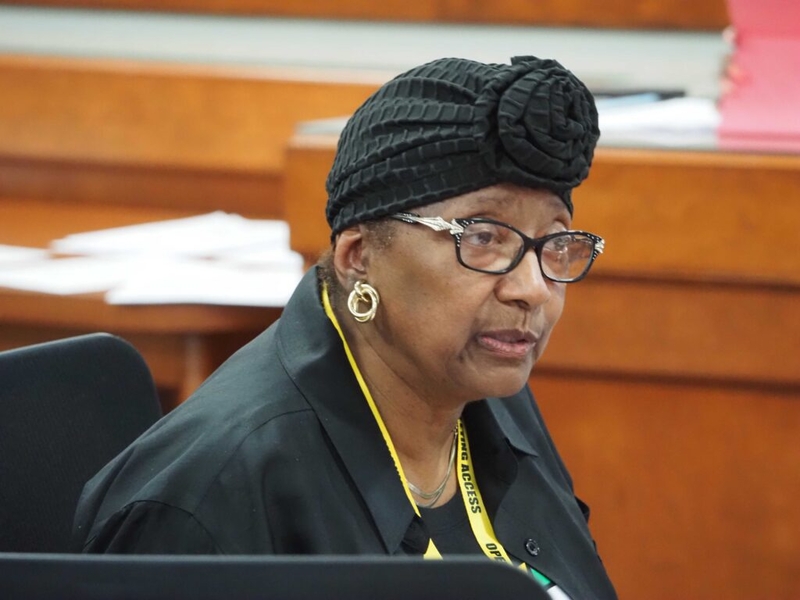
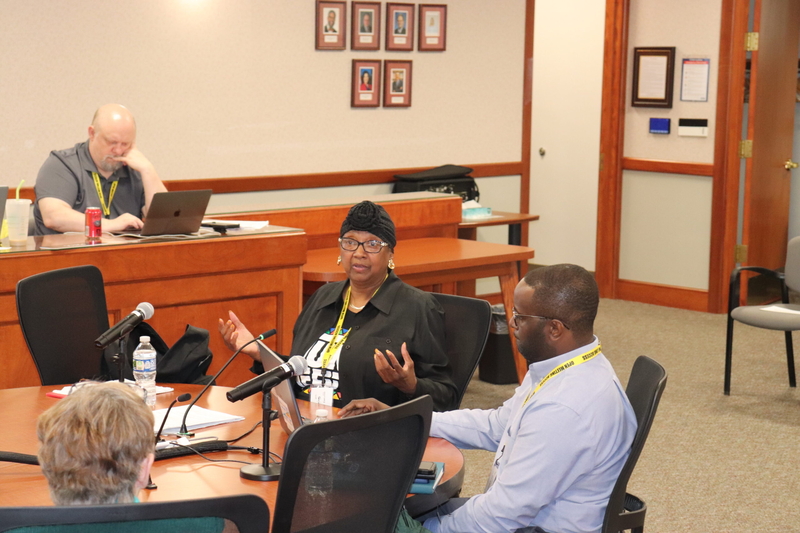
Diane McMillan, a longtime educator and social worker associated with Wayne State University, speaks during a Juneteenth history presentation delivered to the Michigan State Board of Education in Lansing, Mich. June 9, 2026 | Photo by Ben Solis/Michigan Advance
For Diane McMillan, a longtime education and social worker associated with Wayne State University, Michigan needs a Juneteenth curriculum that centers the celebration’s core tenets: Faith, unity of the heart and the resistance movement for civil rights that eventually spawned from the Union’s emancipation of enslaved people.
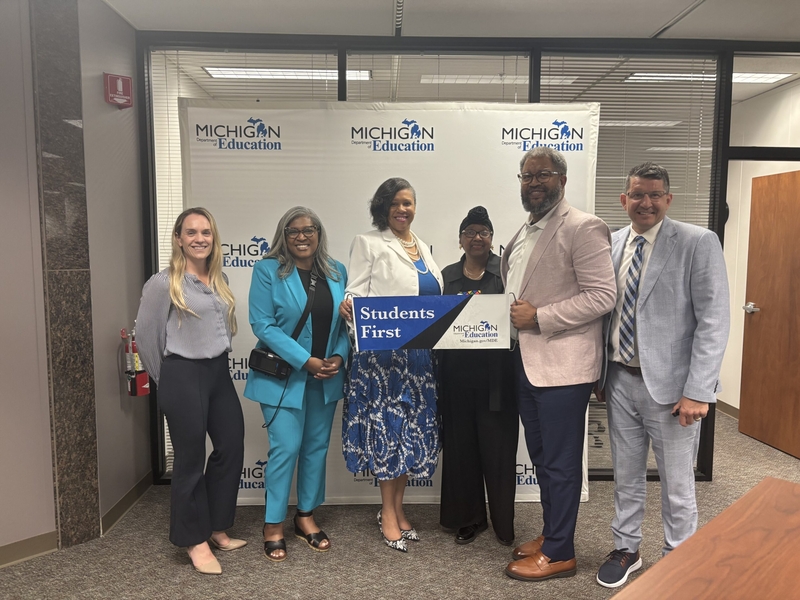
McMillan made that request before the State Board of Education at its June 9 meeting. She was invited by board member Tiffany Tilley to give the body a look into the history of Juneteenth, its early foundation in the African Methodist Episcopal Church and the push to make Juneteenth a national holiday — which was made official by former President Joe Biden in 2021.
Juneteenth is the celebration of the day in 1865 when one of the last groups of enslaved people of African descent held in Galveston, Texas were made aware that President Abraham Lincoln had emancipated them two-and-a-half years prior. History shows that enslavers in Texas were fully aware that Lincoln had granted American-held enslaved individuals their freedom through the Emancipation Proclamation. Regardless, they had kept them in bondage and continued to abuse them, refusing to acknowledge the proclamation.
McMillian’s address to the board emphasized the fact that Union troops who arrived in Galveston on June 19, 1865 were not there so much on an information-sharing mission as they were there to physically enforce the proclamation and to free still-enslaved people.
McMillan also touched on the connection of the early African American community’s Christian faith toward its striving for additional modes of emancipation through the mid-20th Century Civil Rights movement.
With that history in mind, she asked the board to consider creating a more robust Juneteenth curriculum, and one that extolled “the faith and freedom that those slaves had to fight for.”
“We need to continue to educate our children, as well as our adults, because I did a survey with other adults my age or older than my age, and they are just finding out about Juneteenth,” McMillan said. “One of my friends told me he didn’t know about it until he went to Houston. So we need to begin to inform, educate and put it out there about unity, because we’re going to talk about the issues of the Civil Rights movement, voting rights that we’re having now, the issues of getting people to vote, and we need them to understand why it is important.”
Although the board did not commit to doing so, Tilley said that one of the reasons the education system continues to talk about America’s involvement in the slave trade was because history was doomed to repeat itself if it wasn’t fully understood. It also was a matter of upholding the Black community’s dignity following hundreds of years in trans-national chattel slavery, in which humans, and their offspring, were considered as personal property.
“Caucasians have been enslaved, Jews have been enslaved, Hispanics have been enslaved, Asians have been, Irish have been enslaved. So this is not unique to African Americans,” Tilley said. “But what is unique to African Americans is chattel slavery. That was a different level of slavery, and so when people think of the descendants of the slaves and sometimes they don’t really understand the long term impacts, the generational impacts of slavery and the system that is still withheld against the descendants of slavery.”
Lansing, MI