Michigan House candidate alleges anti-trans targeting; rival rejects accusation
Jun 19, 2026 | 12:48 pm ET
Description
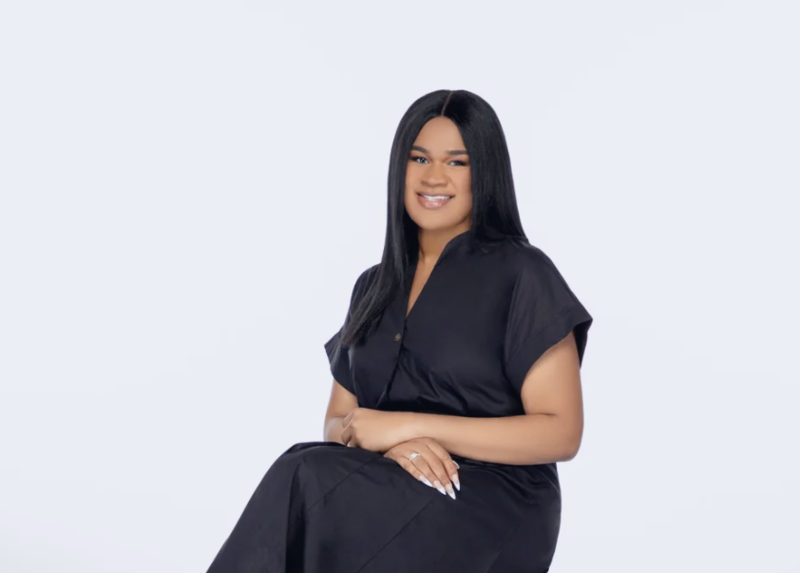
Toni Mua, Democratic candidate for Michigan House District 9. | Official campaign photo
A candidate for the Michigan House of Representatives says a failed legal attempt to remove her from the ballot targeted her because she is transgender, a claim denied by the activist who filed the challenge.
Toni Mua, who is among nine candidates running in the Aug. 4 Democratic primary for Michigan House District 9, successfully defended her affidavit of identity before both the Wayne County Clerk and later in the Michigan Court of Appeals after political activist Robert Davis argued she had failed to comply with state election law by not using her former name.
Mua’s case came to light after the Michigan Democratic Party LGBT&A Caucus announced in a Facebook post on Wednesday that it was rescinding its endorsement of fellow Democratic candidate Arthur Harrington, alleging a consultant “attempted to target Harrington’s Democratic opponent over their transgender identity because her given name is not listed on the ballot.”
While the caucus did not identify the targeted opponent by name, Mua told Michigan Advance she was the candidate being referenced in the statement and alleged Harrington was behind Davis’ challenge.
When contacted by the Advance, Harrington denied the allegations in general, although he declined to discuss any specifics.
“I do not have a statement to give, but what I can assure you is that those allegations are completely false,” Harrington said.
Mua said she initially believed Davis had filed the challenge on his own.
“No one knew that it was an opponent,” she said. “We just thought it was Robert Davis just being Robert Davis trying to get everybody kicked off the ballot.”
Davis, a serial litigator in election law cases, challenged Mua’s March 2026 affidavit of identity, arguing that because Mua legally changed her name in 2020, she was required to disclose her former name because the change occurred less than 10 years before filing. While the statute in question does have a 10-year timeline for disclosing a previous name, it also provides an exception for someone using a name “that constitutes a common law name”.
Garrett rejected Davis’ challenge May 11, finding that Mua had publicly used “Toni Price Mua” for years before filing and therefore qualified under Michigan’s common-law name provisions. The clerk cited documentation showing Mua had publicly used the name since at least 2019 and noted she had appeared on the 2022 primary ballot under her current name.
“Candidate Mua was not required to provide the former name on her affidavit of identity when she filed on March 16, 2026,” Garrett wrote.
Davis, who noted that Mua had disclosed her previous name when she ran for office in 2022, later sued the Michigan Secretary of State in the Court of Claims, challenging both Mua’s affidavit and the state’s guidance governing common-law names. After the Court of Claims dismissed the case, the Michigan Court of Appeals unanimously affirmed that decision June 2.

The appeals court held that Michigan election law allows candidates using qualifying common-law names to omit prior names from affidavits of identity and rejected Davis’ argument that Mua could not simultaneously rely on both a statutory and common-law name change.
“There is no merit in plaintiff’s argument,” the court wrote, adding that Mua qualified under the law and thus her affidavit “did not need to indicate a name change.”
Mua’s case marks the second time this election cycle that a transgender Democratic candidate for the Michigan House has faced an unsuccessful ballot challenge centered on her name.
In May, Wayne County Clerk Cathy Garrett rejected an effort by former state Rep. Frank Liberati to disqualify House District 2 candidate Joanna Whaley after he argued she should have listed the name she was given at birth on her affidavit of identity.
Downriver Dem files complaint against primary opponent, a trans woman, over her name on the ballot
Garrett found that Whaley, like Mua, qualified under Michigan’s common-law name provisions and could appear on the ballot using her legal name.
Anthony Eid, among the Democratic candidates seeking the nomination, told the Advance that he hopes voters will judge candidates by their track records rather than political attacks.
“I find it troubling that candidates are using others preferred names to try to restrict ballot access. This is an issue I have experience in. At Wayne State University, I led the charge in getting a preferred name policy passed so that students, particularly international and LGBTQ students, could go by whatever name they wanted to. Voters need to do their research and pick candidates who actually have a proven track record on these issues.”
Mua, meanwhile, believes the challenge is part of a broader effort to discourage transgender candidates from seeking office.
“I think for me, it’s personally that folks underestimate or undermine trans folks,” she said. “They put us in a category and they don’t think we should leave outside that box.”
When contacted by the Advance for comment, Davis denied any connection to Harrington’s campaign and insisted his challenge had nothing to do with Mua being transgender.
“No one cares about what or who she identifies as,” Davis said. “This pertains to the plain reading of a statute and the improper enforcement and interpretation by the Michigan Secretary of State.”
Davis said he disagrees with the Court of Appeals ruling in the case and plans to file an appeal to the Michigan Supreme Court. He noted that included in the same challenge against Mua is one he also made against the affidavit of another Democratic candidate in that race, Darryl Ervin, who is not trans. That challenge was also rejected by the Court of Appeals, but on different grounds, namely that Davis had filed his challenge past the deadline to do so.
- June 20, 20265:40 pmThis story has been updated with additional comment.
Lansing, MI