WA cannabis market faces pressure from federal changes and oversupply
Jun 05, 2026 | 2:13 pm ET
Description
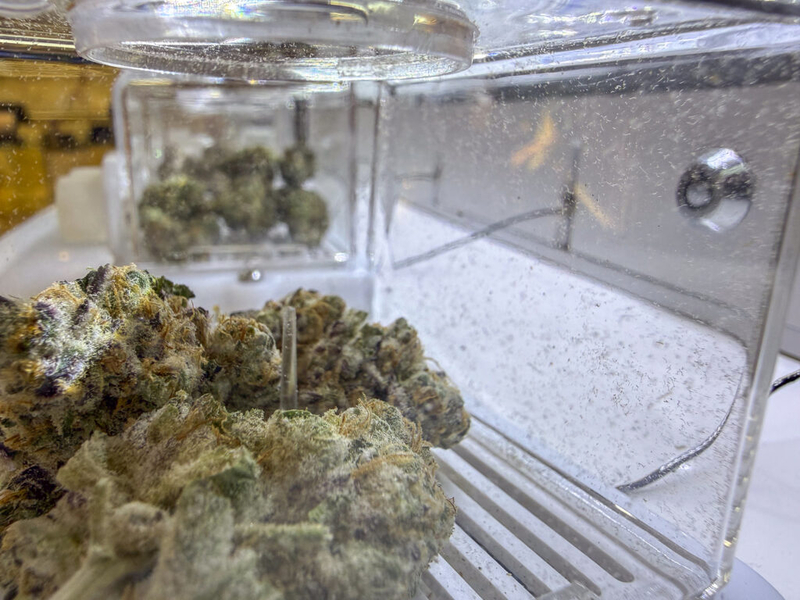
(Photo by Christopher Shea/Rhode Island Current)
Federal cannabis policy changes, market consolidation and difficulties with illicit-market enforcement remain among the biggest challenges facing Washington’s legal marijuana industry, according to leaders of the Washington State Liquor and Cannabis Board.
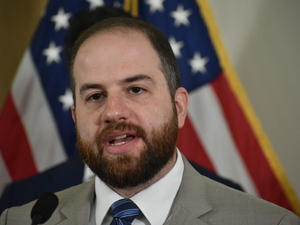
During a wide-ranging discussion of cannabis regulation and enforcement with host Austin Jenkins on TVW’s “Inside Olympia,” Executive Director Will Lukela and Director of Policy and External Relations Justin Nordhorn described a market facing uncertainty from both federal and state developments.
One of the largest unknowns is federal cannabis rescheduling. Lukela said state regulators are still evaluating what recent federal actions could mean for Washington because the state’s medical and recreational cannabis markets are largely integrated.
“We’re still searching for what it means,” Lukela said.
At the state level, officials continue to grapple with whether Washington can preserve its original small-business model. A new law reinforced the state’s five-store ownership cap by limiting management agreements that regulators said could allow larger operators to exert influence over additional retail locations.
Nordhorn said Washington also faces a structural imbalance, with more producers and processors than retailers. Regulators acknowledge continued oversupply and price pressure throughout the marketplace.
The board also remains focused on illicit-market activity. Lukela described the illicit market as “thriving,” even as officials cited data suggesting most consumers purchase cannabis through licensed retailers.
Social equity licensing, which provides cannabis business opportunities to applicants impacted by previous tougher drug laws, remains another challenge. Regulators said dozens of licenses remain available, but financing difficulties and local government restrictions continue to slow participation. Lukela estimated roughly 70 jurisdictions maintain some form of cannabis ban or moratorium.
Looking ahead, board leaders identified modernization of Washington’s cannabis traceability system as a major priority for improving oversight, accountability and public confidence in the regulated marketplace.
This article was first published by TVW, a media nonprofit that provides comprehensive coverage of state government. TVW broadcasts unedited gavel-to-gavel coverage on statewide cable and at tvw.org, and produces original current affairs and education shows, including “Inside Olympia” and “The Impact”. TVW’s mission is to give Washingtonians access to their state government, increase civic access and engagement, and foster an informed citizenry.
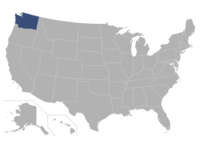
Olympia, WA