USC’s Palmetto College will seek more money to continue enrolling high schoolers for dual credit
Sep 25, 2026 | 11:53 am ET
Description
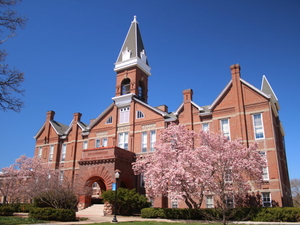
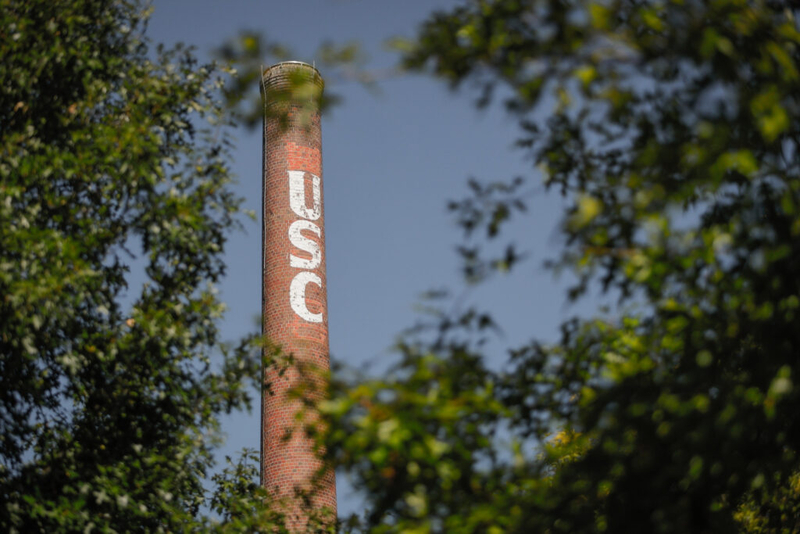
The University of South Carolina’s Palmetto College may stop offering high school students dual enrollment to its two-year campuses due to a gap in funding. This photo was taken at USC's Horseshoe in Columbia, S.C. in October 2024. (Photo by Travis Bell/SIDELINE CAROLINA/Special to the SC Daily Gazette)
COLUMBIA — Without additional taxpayer funding, the University of South Carolina’s Palmetto College may stop accepting South Carolina high school students who want to get an early start on a college degree.
Some 4,300 South Carolina high school juniors and seniors enroll in Palmetto College courses through what is known as dual enrollment, a program designed to help students save money on college and find work faster after graduating.
But while the program has grown in popularity, lottery-funded scholarship dollars to cover the cost at the state’s two-year technical colleges and universities have decreased.
In 2019, lottery-funded scholarships paid $110 per credit hour of dual enrollment costs for any student taking at least six credit hours. Since then, that amount has dropped 32% — to $75 per credit hour.
Meanwhile dual enrollment at Palmetto College increased 55% over the same time period and now makes up 65% of the student body, according to the state’s higher education agency.
About the college
Founded in 2013, Palmetto College is not a singular college campus. Rather, it’s a college network, giving enrollees access to USC’s four, two-year campuses, where they can complete an associate’s degree. And for those who wish to continue their education, turning their associate’s degree into a bachelor’s, the Palmetto College allows them to do so through one of 30 online degree programs offered by the college system no matter where they live.
“One of the goals of Palmetto College is accessibility,” Chancellor Craig Wilson told the SC Daily Gazette. “So, making sure that students, particularly these ambitious young students, have a place to actually learn in a great environment — it’s certainly something that we want to do.”
USC originally designed the college to cater to working adults who may have started but never completed a college degree. But it’s also offered dual enrollment credits to high school students from the start. Now it’s a large and growing part of what Palmetto College does.
The USC systems’ two-year campuses in Allendale, Lancaster, Sumter and Union serve as regional hubs where students attend in-person classes. Dual enrollment students can take some of these classes right in their high school, with no need to travel to campus.
“It’s very popular,” Wilson said. “That demand is not going to go away.”
One of Palmetto College’s top budget priorities for the legislative session come January is increasing the state’s $75 payment, he said. However, exactly how much the college will seek is undecided.
“We recognize that we’re running behind the eight ball on this, and sooner is always the best way to get this done,” Wilson said.
SC colleges have frozen tuition for several years. University presidents say that’s not sustainable.
The cost is the pain point.
Palmetto College typically charges $300 per credit hour for its classes, Wilson said. State funding only covers a quarter of that. Instead of charging students for the difference, the college absorbs it.
“It’s a matter of getting state support that would allow us to continue to do this job, and I would imagine that the other institutions who are providing higher education feel the same way,” Wilson said.
Other funding
South Carolina’s 16 technical colleges, which together teach 22,600 (or about 65%) of the state’s juniors and seniors dually enrolled in high school and college, also face gaps but have made up some of that lost funding through other state and local funding sources, according to a statement from the technical college system.
Palmetto College and the high schoolers it serves have been left behind, USC officials say.
For starters, technical college students studying for a wide variety of in-demand careers — healthcare, IT, manufacturing, construction, criminal justice, education, business, cybersecurity, welding, truck driving and more — are eligible for a secondary, $5,000 scholarship known as SC Workforce Industry Needs Scholarship.
More than 75% of the dual enrollment high school students who attend a technical college receive scholarships to cover the full cost of tuition, technical system President Tim Hardee previously told the SC Daily Gazette.
SC spending $3M more annually to grow dual high school and college enrollment
And in 2025, nearby K-12 school districts also chipped in funding to fill gaps not covered by scholarships at about half of the state’s technical colleges, Hardee said.
When it comes to the state’s public and private four-year schools, the colleges and their students receive no state scholarship support for dual enrollment at all. But they also have significantly fewer students participating in the program.
Eight of the 13 public four-years, including USC’s satellite campuses, offer dual enrollment, enrolling less than 2,000 total students combined. Eight of South Carolina’s 21 private colleges have programs, with less than 1,700 total high schoolers.
Some, such as Lander University and the USC system campuses in Aiken, Beaufort and Spartanburg, offer free or reduced tuition rates to dual enrollment students. The lower participation rates — less than 500 students enrolled in each school’s program, making up less than 10% of the student body — make it easier to absorb the lost tuition dollars.
Others, such as Francis Marion and Winthrop universities, have partnerships with a couple of local school districts that allow those districts’ students to enroll free of charge. Outside of those districts, however, participating high schoolers pay what any part-time college student would to attend classes.
Rural schools struggle
The Palmetto College looked at similar arrangements with school districts near its two-year campuses but ultimately backed away from the idea, given where those campuses are located.
“These are rural areas,” Wilson said. “Not all schools have the same economic base, the same tax base to pull from.”
“Whether it’s Lancaster or Allendale or Walterboro, all of the areas that we’re serving, those school districts aren’t really in a position to be able to add more,” Wilson added.
The same is true for rural technical colleges. So, in 2025, the technical system asked the Legislature for financial support.
Legislators responded with $3 million annually, divvied up across the 16-school system, that the more rural schools could use to fill the hole.
The Palmetto College wants taxpayers’ help too.
“Dual enrollment was set up for those who come from disadvantaged backgrounds, so the last thing we want to do is overburden them. Many of our students are first-generation students,” he said. “So, this this is vital in terms of affordability for our students.”
Columbia