US Supreme Court again urged to permit Trump vote-by-mail restrictions
Sep 03, 2026 | 6:00 pm ET
Description
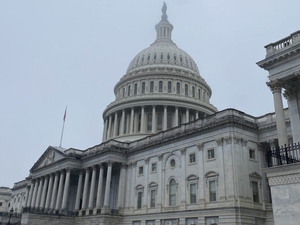
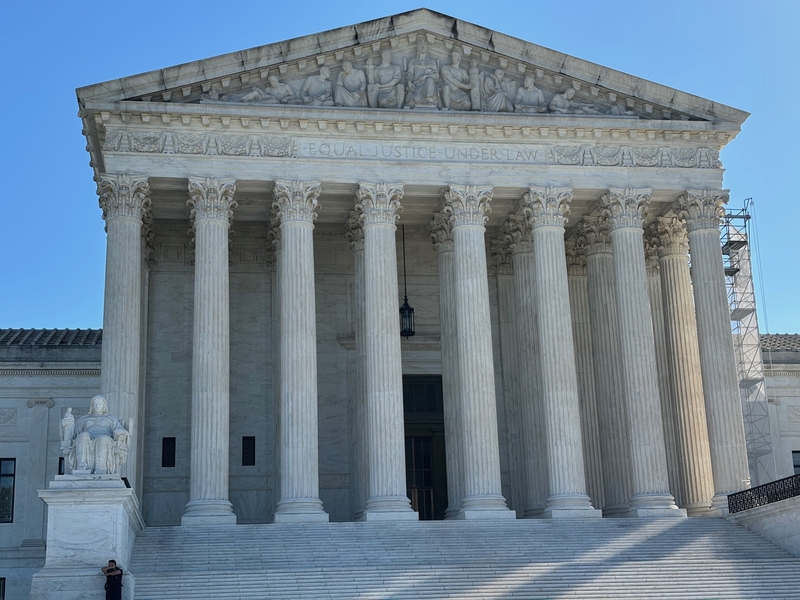
The U.S. Supreme Court on Oct. 9, 2024. (Photo by Jane Norman/States Newsroom)
The Trump administration asked the U.S. Supreme Court on Thursday to overturn a lower court and allow it to enforce a U.S. Postal Service rule restricting mail-in voting.
The trial judge, Indira Talwani of the U.S. District of Massachusetts, prejudged the rule before it was final when she issued a temporary restraining order last month and upheld it last week, U.S. Solicitor General D. John Sauer wrote. The rule only regulates standards of mail delivery and doesn’t interfere with election administration, Sauer argued.
“Contrary to the claims of the district court and respondents that the Postal Service is trying to federalize the rules for mail-in voting, the Postal Service’s final rule imposes only modest envelope-design and addressee-information requirements for federal-election ballots sent via U.S. Mail,” Sauer said.
Temporary restraining orders are not typically appealable, but Sauer argued that because of the impending midterm election, the court should hear the appeal. The rule carries out an executive order made earlier this year by President Donald Trump.
Election Day is two months from Thursday. One state, North Carolina, is expected to begin mailing ballots Friday.
Morning hearing
The government filed the application just hours after Talwani, whom former President Barack Obama appointed, heard oral arguments on whether to convert her two-week restraining order into a longer preliminary injunction to block the administration from applying the rule during the fast-approaching election.
Over months of litigation, Talwani has communicated disapproval of the rule and the government’s legal arguments and appeared skeptical of USPS’s position Thursday, according to reporters in the courtroom.
The rule would create new standards for the envelopes used to send ballots to people who vote by mail. It would also allow the federal government to verify voters receiving ballots are eligible.
Democratic state officials and voting rights groups say that is an unconstitutional violation of states’ role in administering elections and goes beyond anything Congress has authorized the agency to pursue.
In addition to constitutional concerns, the rule raises practical ones. Experts in election administration say mandating wholesale changes to mail-in voting this close to an election would cause chaos.
All states made arrangements to design, print and send mail ballots months ago. Changing those plans at this late stage would send them scrambling to update ballot envelope designs, have them approved by the USPS, printed in bulk and sent to voters — along with several other challenges, states have argued in court documents.
Multiple court decisions
The Trump administration has fought in court for weeks to allow the rule to go into effect before the midterms.
Administration officials appealed an earlier Talwani restraining order blocking enforcement of the rule. That appeal is currently before the 1st U.S. Circuit Court of Appeals.
The Supreme Court last month sided with the administration in a procedural ruling finding that the Democratic state officials and voting rights groups did not have the ability to challenge Trump’s executive order before USPS issued its final rule. The challengers quickly refiled suits to reflect that the rule had been published.
The U.S. Justice Department and a handful of Republican-led states, including Missouri and Texas, defended the rule in the Thursday morning hearing, saying that it was a mail regulation within the agency’s purview, and did not seek to administer elections.
Voting rights groups have argued the rule risks disenfranchising voters and solves no urgent problem.
Several phases of mail voting under the rule would put legitimate ballots at risk of rejection, they said, while the administration has shown no evidence that mail voting is particularly susceptible to fraud, as Trump repeatedly has claimed.
Portal problems
The buildout of an online tool the Postal Service plans to use to enforce the rule’s requirements for ballot designs and voter eligibility has also encountered problems, according to an explosive whistleblower report this week.
A USPS official provided a written declaration following Thursday’s hearing that the portal would be accessible to states that want to use it “sometime next week.”
The whistleblower account published Tuesday detailed many problems with the tool, which the whistleblower said should have been a yearlong project but was rushed out in months.
All States Newsroom content is free to republish. Read our republishing policy for more information.