TIF: State hearing reflects love, hate and suggestions to retool development incentive
Nov 07, 2026 | 6:30 am ET
Description
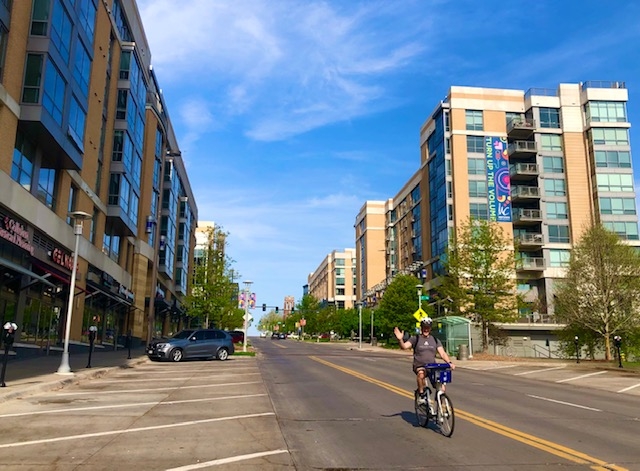
The Midtown Crossing redevelopment was among Omaha tax-increment financing-assisted projects. This view looks west near 31st and Farnam Streets along the spine of the retail and residential area. (Cindy Gonzalez/Nebraska Examiner)
LINCOLN — A pros-and-cons discussion about one of Nebraska’s most controversial yet championed economic development tools took center stage at a legislative hearing Friday: Is TIF out of control? What, if any, changes should lawmakers pursue?
TIF stands for tax-increment financing, and state Sen. Danielle Conrad of Lincoln had called for a review of state laws governing the incentive — particularly related to the blighted and substandard designation on TIF-eligible areas and notification to affected neighborhoods.
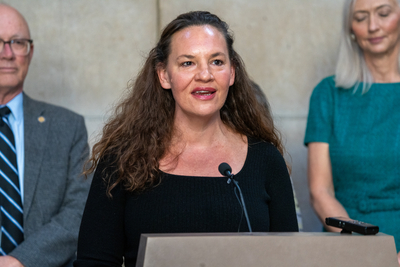
Conrad told the Urban Affairs Committee that Legislative Resolution 415 was prompted by concerns from north Lincoln constituents. But she said residents elsewhere, including Omaha’s south and midtown areas, also are in the midst of divisive TIF-related matters.
Several state lawmakers have previously raised red flags about potential overuse or abuse of the incentive. Conrad pointed out Nebraska Auditor Mike Foley’s report two years ago documenting that more than a half-billion dollars in property tax collections were redirected over a five-year period to fund urban redevelopment throughout Nebraska — marking a “remarkable increase” in TIF use that risks further upward pressure on local property taxes.
No one Conrad has spoken to advocates getting rid of the public funding mechanism, as she said they recognize it can spur development and economic growth.
“But what I fear has happened with this tool is that it has veered from its original purpose of community betterment and become just really, truly another giveaway for big developers and big corporations at the expense of community,” Conrad said.
Blighted, substandard
In addition to apartment buildings and commercial projects, TIF is tapped increasingly to add housing, including for-sale owner-occupied homes, in rural areas, said Christy Abraham of the League of Nebraska Municipalities.
The tax-increment financing program was authorized in the 1980s by the Nebraska Legislature as a way to boost development and jobs in areas deemed to be blighted and substandard. In essence, it allows a developer, with approval by the respective city, to use future property tax gains to subsidize development costs in designated blighted and substandard areas.
Among dominant concerns raised during the hearing that stretched more than two hours was the “blighted and substandard” description attached to eligibility.
Speakers generally agreed the terminology brings a stigma to homeowners and businesses in the boundaries.
State Sens. Stan Clouse of Kearney, a committee member, and Mike Jacobson of North Platte, who testified, were among those who said they “hate” that terminology but support the financing tool.
Bridget Hadley, a deputy planning director who oversees the TIF program for the City of Omaha, said her team instead tries to use “community redevelopment area,” as she recognizes the “substandard” term is offensive to those who live in the designated zone.
Both Clouse and Jacobson said they’ve seen positive payoffs in their areas as a result of TIF. After the TIF loan is paid off in the 15- or 20-year period, Clouse said, the project’s full value is on the property tax rolls.
Jacobson called himself a “big believer” in the incentive because cities do not have to spend funds and they benefit from growth spurred by the TIF project.
“It’s as clean as it can possibly be,” he said.
Thaw the freeze
Doug Kagan of Nebraska Taxpayers for Freedom warned of “reckless use” of TIF, questioning whether municipalities approve the financing for projects that developers would have done anyway. He said the incentive has led to “outrageous distortion of property tax use.”
Residents of historic neighborhoods, including Kalili Haszar of Lincoln, urged lawmakers to examine how some TIF-enabled apartment structures are gentrifying vintage neighborhoods filled with longtime and hardworking homeowners and residents.
“Stop incentivizing their destruction,” she said. Haszar is president of the Clinton Neighborhood Organization, formed in 1966 and known as the state’s oldest organized neighborhood association.
Representatives of neighborhood groups said municipalities should find ways to involve neighbors more and earlier in the blighted and substandard designation process.
An idea that picked up steam during the discussion was to stop freezing the base value of a project site when a TIF zone is created.
Currently when a TIF redevelopment plan is approved, the county assessor freezes the taxable value of the property at its pre-development assessed value. The property owner continues to pay standard property taxes, and those taxes calculated only on the frozen base value continue to flow to traditional tax entities like schools, cities, counties as they did before.
Alan Seybert suggested that the base amount should instead grow with surrounding property values, a notion that several said was worthy of further consideration, including state Sen. John Cavanaugh, a member of the committee.
Testimony and information provided during the hearing is expected to inform possible legislation next year.
Conrad, sponsor of LR 415, said she was impressed by the diverse voices and opinions. What she heard, she said, reinforces that “the status quo should not stand.”
Lincoln, NE