Unhealthy air from wildfires could linger in Boise. Here are trusted air quality tools in Idaho.
Jul 29, 2026 | 6:20 am ET
Description
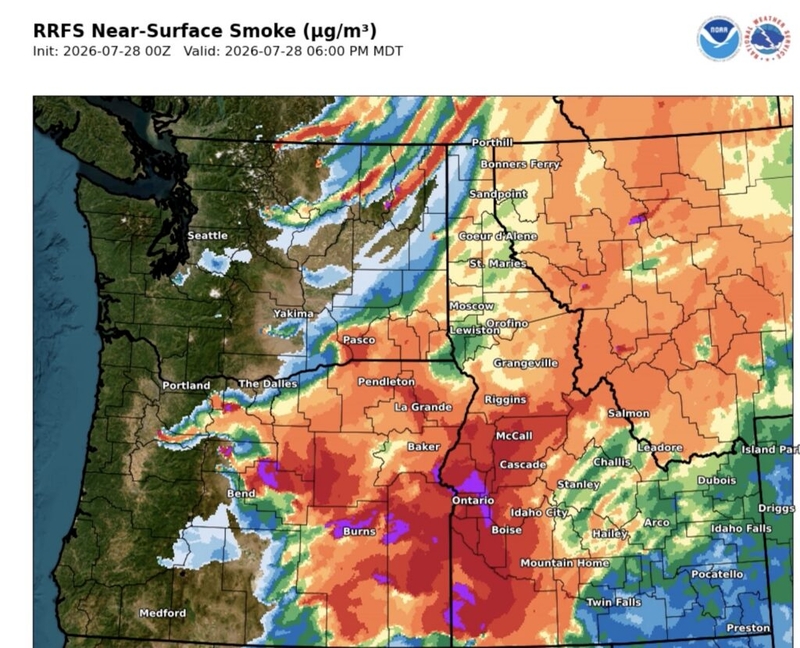
The National Weather Service in Boise provides smoke forecast resources, including smoke maps, to the Idaho Department of Environmental Quality. (Map courtesy of National Weather Service)
With air quality reaching unhealthy levels in Boise and much of Idaho this week due to wildfire smoke, local officials are recommending the public take health precautions and seek out free resources to learn more about air quality levels.
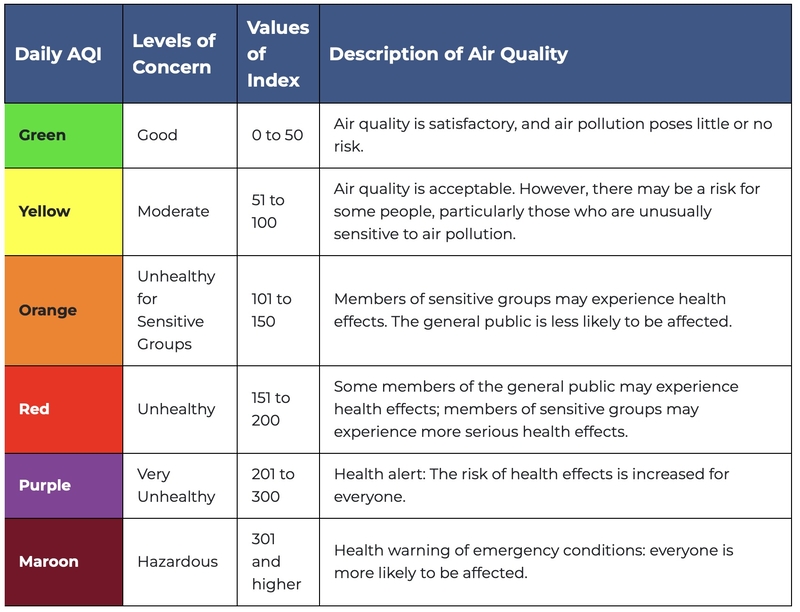
On Monday and Tuesday, the air quality index in Boise and other parts of Idaho exceeded 200, which is considered very unhealthy and can increase health risks for everyone, not just sensitive groups, Idaho Department of Environmental Quality Smoke Management Supervisor Tami Aslett said.
“At these levels, everyone should be taking precautions to limit smoke exposure,” Aslett said in an interview Monday. “Limiting time outdoors is really good.”
Most Idaho counties under air quality advisory
In response to the air quality, the Idaho Department of Environmental Quality on Monday issued air quality advisories for 35 of Idaho’s 44 counties, including Ada, Canyon, Boise and Blaine counties.
When an air quality advisory is in effect, all outdoor burning is prohibited, including campfires, fire pits, weed control burning, residential burning and crop residue burning.
How can Idahoans protect themselves from wildfire smoke?
The good news is that there are things people can do to protect themselves from the particulates and pollutants in wildfire smoke, said Jackson Macfarlane, a meteorologist with the National Weather Service in Boise.
For indoor spaces, Macfarlane said a High-Efficiency Particulate Air, or HEPA, filter can help filter particulates and debris from wildfire smoke.
Another way to be protected from wildfire smoke is to wear an N95 mask, which is rated to filter out 95% of the particulate matter in the air, Macfarlane said.
“For anybody who has a headache or or feels nauseous because of the smoke I would recommend maybe looking into a mask,” Macfarlane said.
How long will the wildfire smoke stay in Idaho?
The bad news is that the wildfire smoke and unhealthy air could continue to affect Idaho until wildfire season ends.
“With how smoked out we already are, I personally will be expecting smoke impact to continue through the end fire season, which is late September, early October,” Macfarlane said Tuesday.
Idaho might see a little relief if fire activity moves into a different area or weather changes, but Macfarlane said the smoke and poor air quality could always return.
Aslett, from the Idaho Department of Environmental Quality, said much of the smoke is coming from fires burning in Oregon.
Macfarlane said the vast majority of Oregon’s fires that are bringing smoke to Idaho are grass and shrub fires, which he said typically dry out first in fire season. As fire season moves into August, Macfarlane said he worries that drying and burning timber combined with stretched firefighting resources could result in continued wildfire smoke and unhealthy air.
How can people learn about air quality in Idaho?
Macfarlane and Aslett said there are numerous sources online and on most people’s cell phones for tracking air quality.
For Idaho in particular, Aslett recommends people use trusted resources like smoke maps and air quality forecasts developed by local experts.
“It’s normal for people to see different forecasts, so it’s really important to find out where they get their information from,” Aslett said. “Our forecasts are developed by Idaho air quality specialists. They know Idaho terrain and weather patterns. They review monitoring data, wildfire smoke maps and weather patterns every day, and they tailor their forecast for the specific area they are forecasting to.”
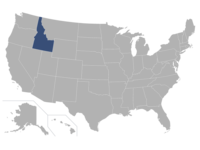
Boise, ID