Two Oregon residents tied to nationwide recall of lettuce over parasitic outbreak
Jul 27, 2026 | 2:48 pm ET
Description
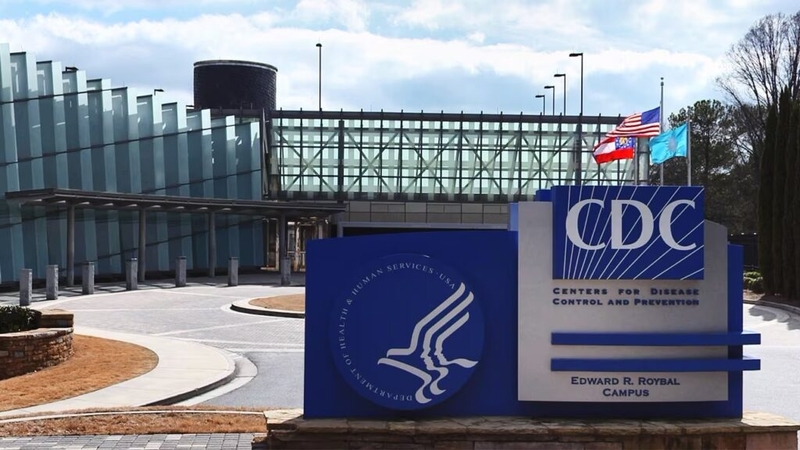
The Centers for Disease Control and Prevention is tracking outbreaks of the intestinal illness cyclosporiasis. (Photo courtesy of Centers for Disease Control and Prevention)
Two people living in Oregon have tested positive for an intestinal parasite that health officials believe may be tied to a recent nationwide outbreak, according to state public health authorities.
Both individuals recently traveled to states involved in the July 17 recall of Taylor Farms’ pre-shredded iceberg lettuce associated with the parasite, according to the agency, which said products linked to that recall have not been sold in Oregon.
The Beaver State so far this year reported having 23 cases of the illness, aligning with previous years. The parasite cyclospora infects the small intestine, and symptoms of the illness can include watery or explosive diarrhea, loss of appetite, bloating, weight loss, stomach cramps and nausea.
“Cyclospora is not spread directly from person to person,” the Oregon Health Authority said in a statement. “Oregon has not detected an unusual increase in the number of cyclosporiasis cases. Cyclosporiasis is reported in Oregon each year, though they’re not typically linked to a national outbreak and most cases report recent international travel.”
Concern over the parasite’s outbreak across the country comes as the Trump administration has gutted funding for local public health agencies and reduced state-level surveillance requirements for a federal program to monitor foodborne illness. The outbreak is currently concentrated in states such as Michigan, New York, Illinois and Texas, but some health officials on the West Coast have expressed concern that there could be spillover from the Midwest.
“As the federal outbreak continues, additional cases linked to the outbreak are expected among people who recently traveled to affected areas, or as additional products may be identified as part of the nationwide outbreak,” the health authority added.
To reduce chances of ingesting the parasite, Oregonians should make sure to wash their hands and surfaces frequently, rinse fresh produce thoroughly under running water and ensure food is cooked at the necessary temperature, according to public health officials.

Salem, OR