Turning Detroit’s vacant homes Into hope: A solution to the city’s homelessness crisis
Dec 19, 2024 | 4:02 am ET
Description
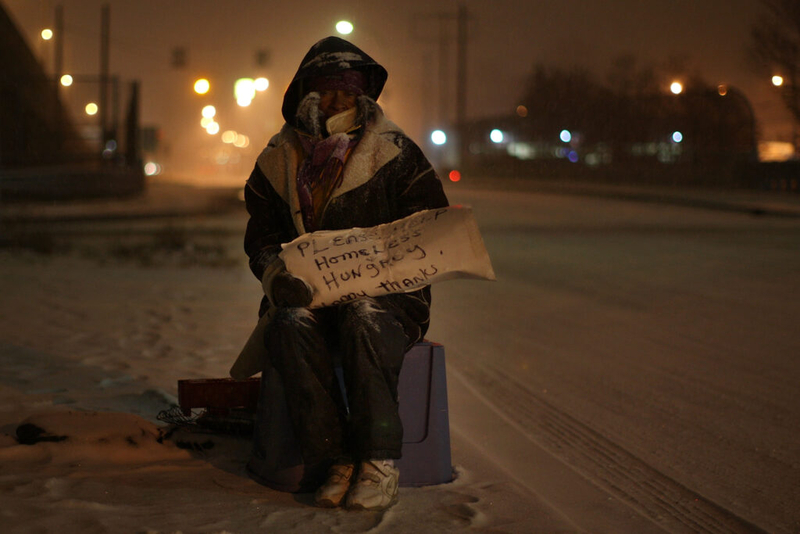
A homeless woman begs for money at an intersection in Detroit, Michigan. | Spencer Platt/Getty Images
Growing up on Detroit’s west side, I attended Northwestern High School, famously featured in The Temptations movie. Like many in the city, I faced the challenges of a complex environment — caught in gang life, struggling with addiction, and eventually becoming a single parent. My daughter, Erica, and I found ourselves homeless, moving from city to city in search of a better life. Though we were not homeless in Detroit, I saw firsthand the growing crisis, not just in the city but nationwide. Fast forward to 2022, more than 6,200 people in Detroit experienced homelessness.
This crisis, often dismissed, is not just a problem for those affected. Shelters are overcrowded, resources are thin, and support systems need to be improved. Families like mine are vulnerable, forced to navigate a system built to keep people down, not help them rise. However, there is a better way forward that taps into the community’s strengths to provide lasting solutions—solutions that restore dignity and hope.
Reimagining Vacant Homes as a Solution
Like many cities, Detroit has many vacant homes, often sold for as little as one dollar. Rather than letting them decay or fall into the hands of developers who profit from the city’s misfortune, we can repurpose them to provide stable homes for those in need.
Imagine a program in which the city purchases vacant homes, partners with homeless families, and helps them restore them. This plan would provide more than just shelter — it would empower families to invest their labor and sweat equity into creating a safe, permanent place to call home. Families gain ownership, pride, and a sense of accomplishment by participating in the renovation. This approach helps break the cycle of dependency and fosters a lasting solution.
A comprehensive approach to ending homelessness
We cannot solve homelessness with temporary shelters and charity alone. While important, these do not address the root causes—poverty, the lack of affordable housing, and inadequate mental health services. A long-term solution is needed to break the cycle and offer stability to families.
Restoring vacant homes offers a tangible solution to the housing shortage while giving families a sense of ownership and dignity. But we need more than good ideas — we need political will to realize this vision. We must demand that elected officials prioritize homelessness and dedicate resources to long-term solutions. Political leaders must act urgently, as with other critical issues. If we want to tackle homelessness, we need bold, actionable policies.
Practical steps and implementation
To make this vision real, we need a multi-faceted approach. First, the city must allocate funds to purchase and renovate vacant properties, possibly leveraging federal or state funds for homelessness. Partnerships with nonprofits, construction workers, and local businesses could provide labor and expertise. Additionally, the program could include job training, giving participants skills that help them secure future employment.
Cities like Cincinnati and Cleveland have successfully implemented similar models. These programs have revitalized neighborhoods, provided affordable housing, and empowered families to break the cycle of poverty. By replicating these efforts in Detroit, we could offer families permanent housing and revitalize vacant neighborhoods.
Holding elected officials accountable
Homelessness in Detroit is not just a humanitarian issue—it is a systemic problem that requires long-term commitment. In 2022, over 6,200 people experienced homelessness in the city, yet solutions remain elusive. Policymakers have largely ignored the issue despite its impact on families and communities. The time for rhetoric is over. We must demand action.
My contribution to society is that I have launched The Mandate Future Politicians campaign, which aims to engage future policymakers on this issue. I authored an opinion piece, now published in an academic journal, to spark deeper conversations about sustainable solutions for homelessness. We need policies that do more than provide short-term relief—they must address the root causes and offer permanent housing.
A call to action: Turning vacant homes into a pathway to stability
Homelessness is not just a personal tragedy—it is a moral failure of our systems. It is time to demand more from our leaders. Cities like Detroit already have the tools to address the crisis—Certainly! Here’s the revision with the active voice:
“Vacant homes that the city can repurpose to provide shelter and hope for those who need it most.”
The city must provide shelter and hope for those who need it most. However, we need strong political will and a sustained commitment to long-term solutions to do this.
As we approach the 2025 midterms, voters should demand that their elected officials treat homelessness with the same urgency as other key issues. We can no longer afford to push homelessness to the margins of political debate. It is a problem that demands bold, innovative solutions. How we address homelessness today will determine the future of Detroit, our families, and our communities.
The Mandate Future Politicians campaign is about more than raising awareness. It’s about encouraging voters to demand systemic change as they do with the economy, abortion, and safety. We can no longer afford to let homelessness grow unchecked. It is not just an issue of charity; it’s an issue of concern for justice. Together, we can transform vacant homes into safe havens for families, creating permanent stability for those who need it most.
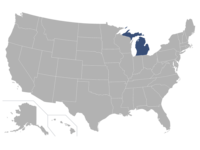
Lansing, MI