State of the race for U.S. Senate
Jul 31, 2026 | 8:50 am ET
Description
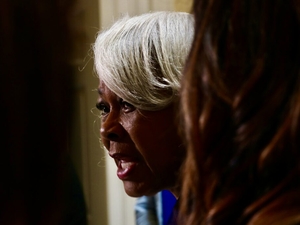
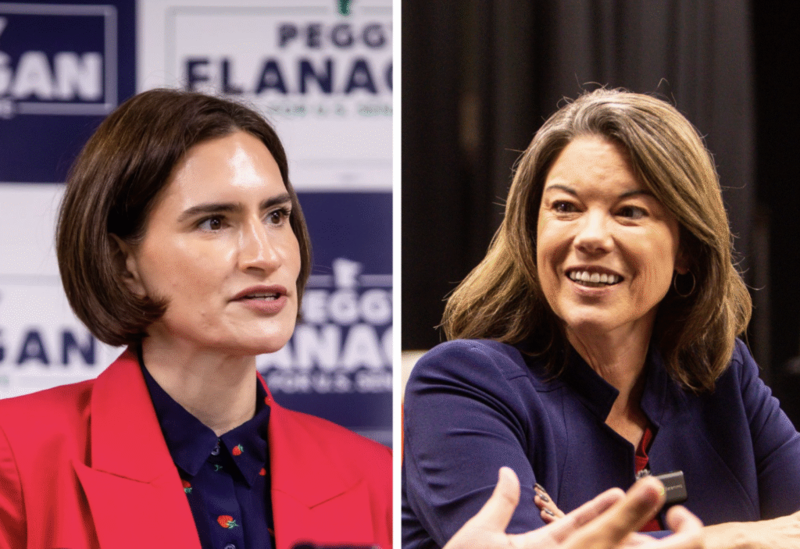
Lt. Gov. Peggy Flanagan (left) and U.S. Rep. Angie Craig (right). (Photos by Nicole Neri/Minnesota Reformer)
Everyday voters are just starting to tune into the contest to replace U.S. Sen. Tina Smith. On the Democratic column of the primary ballot are U.S. Rep. Angie Craig and Lt. Gov. Peggy Flanagan, who earned the DFL endorsement in May.
On the Republican column of the primary ballot are Michelle Tafoya, Royce White, and Adam Schwarze, who earned the GOP endorsement.
Minnesota last elected a GOP senator in 2002, when progressive U.S. Sen. Paul Wellstone was tragically killed in a plane crash and replaced on the general election ballot by the party with former Vice President Walter Mondale. Republican Norm Coleman won by 2.2 points.
The most recent 2026 polling — conducted for a consortium of news organizations by Mason-Dixon — shows a generic Democrat leading a generic Republican by 8 points, 49% to 41%. When we assign the leading candidates’ names to the question, both Craig and Flanagan lead Tafoya by around 7 points. This includes the Craig campaign’s own poll.
When we say that everyday voters are starting to tune in, that means they’re being exposed to the seemingly neverending tidal wave of television and digital video ads, especially on the Democratic side. There are ads booked by Craig and Flanagan proper, and then there are even more ads paid for by outside money, such as North Star Dawn for Craig and the Democratic Lieutenant Governors Association for Flanagan, who was formerly a chair.
The only recent nonpartisan public polling with a head-to-head matchup on the Democratic column is by KSTP-TV, the ABC affiliate in the Twin Cities. Their polling by SurveyUSA showed a 5-point lead for Craig in mid-June and even support in mid-July. Looking at partisan polling — which is only ever published by choice — Craig and supporting PACs have Craig leading in half their polls, while Flanagan and supporting groups have Flanagan leading in all six polls since January, most recently a Public Policy Polling text poll that showed a 14-point lead for Flanagan.
Many Minnesota voters may be wondering where all the money for the endless cable and YouTube ads comes from. Over the two-year cycle through June 30, Craig has raised $10.5 million, while Flanagan has raised just under $6 million. Flanagan raised 45% of all dollars contributed from individual small-dollar donors; that is, donors who over the 18 months gave in total less than $200. By contrast, Craig raised 19% of dollars this way, where individual names are not required to be reported publicly.
Flanagan went into July with $1.6 million cash-on-hand. Craig, $5 million.
North Star Dawn has spent more than $11.9 million on television and digital advertising to benefit Craig. The DLGA has spent over $2.4 million on mailings and advertising to benefit Flanagan.
The Flanagan campaign is optimistic that the grassroots organizing that won her the DFL endorsement by a voice vote can win the primary on August 11; as her supporters say, “the many over the money.”
For Craig, the primary ballot offers a fresh opportunity to expand the universe of potential voters, not just those who are willing to endure hours of caucuses and conventions with minimal air conditioning. Strong fundraising can get her message over the airwaves.
The poll that matters most is the one that is by a paper ballot. In Minnesota, the U.S. Senate contest is a partisan primary. There will be one Democrat and one Republican on the general election ballot, the winner of each primary.
On the primary ballot, there is one paper sheet with two columns for each major party, but all voters are required to stick to one party and not switch over between columns. Which column a voter chooses and who they vote for are both secret. Well-informed voters may be strategic about which partisan primary column of the ballot they vote on, especially independently-minded voters.
Remember to make your voice heard and your vote count. Early voting is happening now. Primary day is Tuesday, Aug. 11.

Saint Paul, MN