Trump Administration Sends Threatening Letter To Hawaiʻi Elections Chief
Jul 07, 2026 | 11:58 pm ET

Description
Photo courtesy of Honolulu Civil Beat
Federal officials sent Hawaii’s chief election officer — and his counterparts around the nation — a reminder on Tuesday that he could be criminally liable if he makes it possible for non-citizens to vote.
The letter from the U.S. Department of Justice outlined penalties faced by people who vote when they’re not allowed to and said “state election officers, including the chief election officer of the state, could be criminally prosecuted for aiding and abetting the violation of any of these provisions.”
The letter, first reported by The New York Times, requires officials to respond within five days with details about how they will ensure compliance with federal and state election election laws. It was seen by some as a politically motivated move by the Trump administration to sow doubt about future election results.

Scott Nago, the state’s chief election officer, said he was running election observers training on Maui Tuesday and hadn’t been able to review the letter thoroughly. But he said a key difference between this and similar previous communications is that he was required to respond.
“The letter is saying you’ve got to follow federal law, which we would follow anyway,” Nago said. “It’s not optional to follow the law.”
He said he would need to consult with his office’s general counsel before responding to the Justice Department.
Studies, including by the conservative Heritage Foundation, have found that voting by non-citizens is an increasingly small problem.
In Hawaiʻi, in the first such case in the state in at least 40 years involving a non-citizen, a Maui resident who emigrated from the Philippines more than a decade ago was charged in June with voting illegally.
Nago is scheduled to brief state legislators Wednesday on issues related to the 2026 elections including about voter eligibility, voting by mail and election laws.
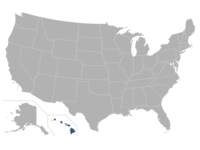
Honolulu, HI