Top Republicans push creation of a new state board to oversee Nashville tourism tax revenues
Mar 26, 2026 | 6:01 am ET
Description
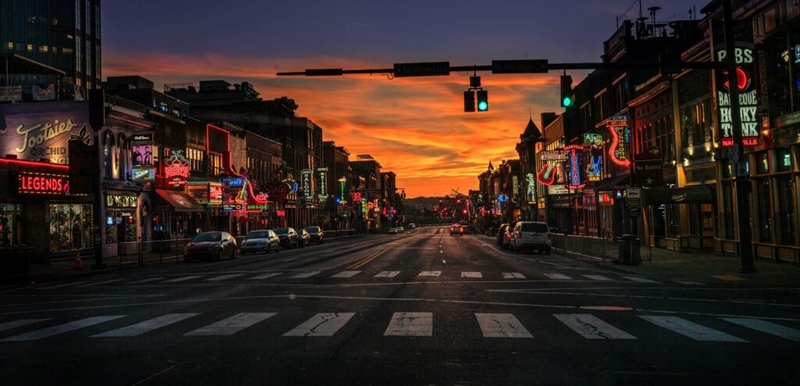
Tennessee's top Republicans want to create a new board to oversee surplus tax funds from Nashville's downtown tourist development zone. (Photo: John Partipilo)
In play for more oversight of Nashville’s tourist tax dollars, Tennessee Republican lawmakers want to create a state-controlled board to oversee the extra cash from Nashville’s downtown tourist development zone.
The new legislation unveiled Wednesday would create a joint capital tourism board to oversee $30 million in excess revenue generated by the development zone and the $300 million in surplus funds held by the Nashville Convention Center Authority.
The new board would include nine appointments, including six by state lawmakers and one by the Nashville mayor, the convention center president and the convention bureau head. The board would also serve as a way for those surplus funds to be directed to the East Bank Development Authority to pay for underfunded infrastructure projects like a road connecting Oracle’s new headquarters to East Nashville.
Both the east bank and convention center boards are majority-appointed by the Nashville mayor. The new capital tourism board would essentially sit as an intermediary between the two boards with the state having control.
The bill is part of Crossville Republican House Speaker Cameron Sexton’s and state Republicans’ continued attempts to assert more authority over Nashville. Sexton, in particular, has taken a keen interest in the city’s tourism, choosing to serve on the East Bank Development Authority rather than appoint a representative.
Sexton has also been one of the loudest advocates for property tax relief for Nashville’s downtown business owners. Broadway bar owners have recently complained about their tax bills as the recent property reassessment saw valuations quadruple in some cases.
Nashville didn’t raise its property tax rate in 2025 but saw a 45% increase in property values across the city. Instead of passing a lower tax rate to offset the effects of that higher valuation, the mayor and Metro Council chose to keep tax rates at a level that resulted in a net increase in tax bills for many in the county.
Complicating the downtown tax issue further is that many bar owners are locked into a “triple-net lease,” which essentially means they don’t own the property but are responsible for the higher tax bills.
The $30 million in excess revenue, to be overseen by the new capital board, explicitly allows for property tax relief grants, payments to cover events such as a future Super Bowl held at the new Tennessee Titans stadium and public safety grants.
Barrett Hobbs, the owner of Bootleggers Inn and Doc Holliday’s Saloon, called the property tax situation a “bubble” that could “burst” a bunch of Nashville’s bars.
“If Broadway goes down, Nashville’s budget goes down,” Hobbs said. “If Nashville’s budget goes down, the state of Tennessee’s budget is gonna take a colossal hit.”
Nashville’s mayor’s office has been in talks with bar owners on solutions. In a statement to the Lookout before the amendment was proposed, O’Connell wouldn’t say whether he favored any of Sexton’s proposals, but was keen on keeping “sales taxes collected within the tourism development zone in Nashville.”
The Nashville Tourism Development Zone was created in 2009, redirecting certain hotel and sales taxes in the downtown area to help pay for the convention center. Initially seen as a risky investment, the Metro Nashville government served as the backstop if the zone failed to produce enough tax revenue to fund the newly constructed convention center.
But the zone has far exceeded expectations, leading to a surplus of nearly $170 million in 2025. The tax dollars are essentially trapped by a provision of law that mandates that the zone’s revenue be spent only on the convention center.
The proposed legislation changes would divert those trapped dollars into the state-controlled fund. If left untouched, those tax dollars would eventually revert back to Metro Nashville and the state around 2039, which, based on current projections, could be a multibillion-dollar payout.
The new capital fund also gives state lawmakers more control over the East Bank Authority, where Sexton has opposed some projects but has been outvoted by other authority members.
State lawmakers have wanted more say after agreeing to put up $500 million for the new Titans stadium and another $500 million to move the Tennessee Performing Arts Center to the East Bank.
“Because the state authorizes the tourism development zone, it has a vested interest in ensuring these surplus funds are allocated responsibly,” Lt. Governor McNally said in an emailed statement. “This approach reflects a collaborative partnership between the state and Metro—one that supports continued economic growth and strengthens Nashville’s position as a premier destination.”
Proposed amendment to House bill 2085/Senate bill 1672
1672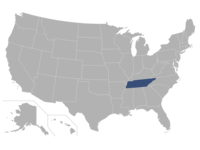
Nashville, TN