Thousands gather in Reno for third ‘No Kings’ protest
Mar 29, 2026 | 9:00 am ET
Description
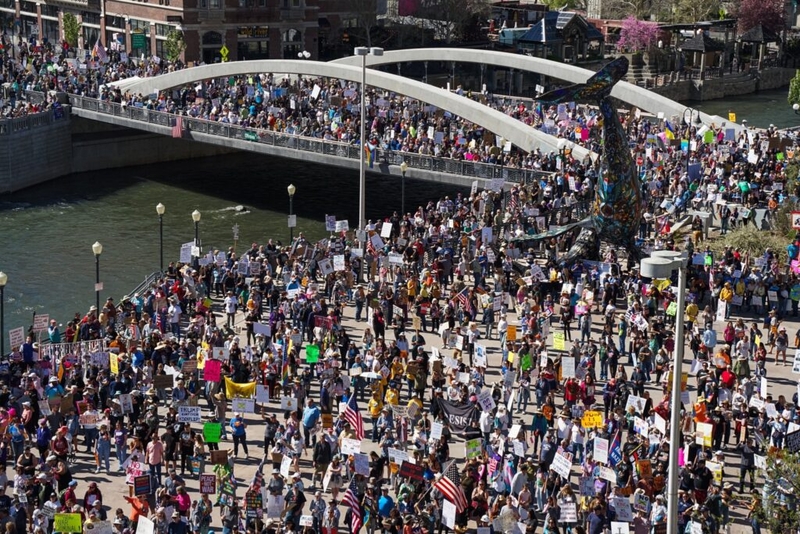
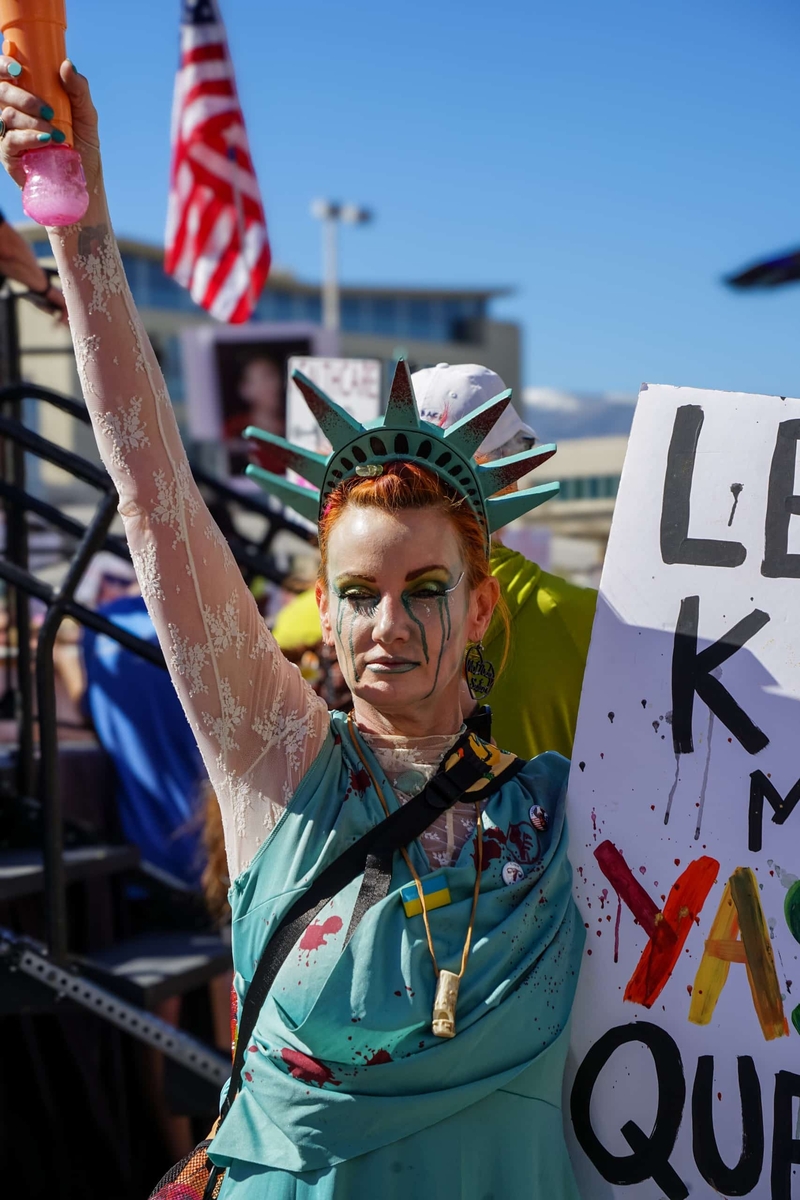
Thousands of protestors and community members gathered in downtown Reno for a “No Kings” rally on Mar. 28, 2026. (Photo Hannah Truby / Sierra Nevada Ally)
This story originally appeared on the Sierra Nevada Ally, and is being republished here with permission.
By midday on March 28 in Reno, Nev., an estimated several thousand protesters had marched through downtown streets and gathered at the City “Believe” Plaza for a “No Kings” demonstration, part of a nationwide wave of protests opposing President Donald Trump and his administration.
The scene carried a mix of live music from organizers, steady honks from passing cars, and rally cries and speeches from the stage.
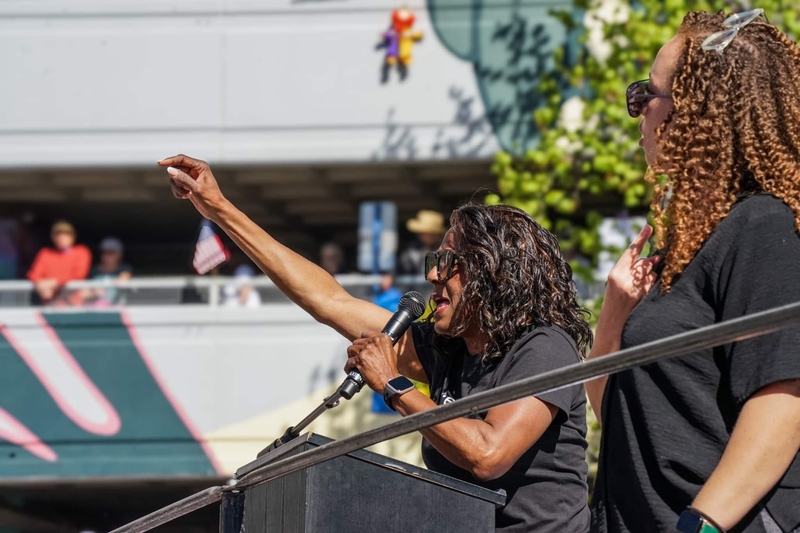
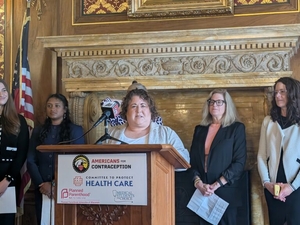
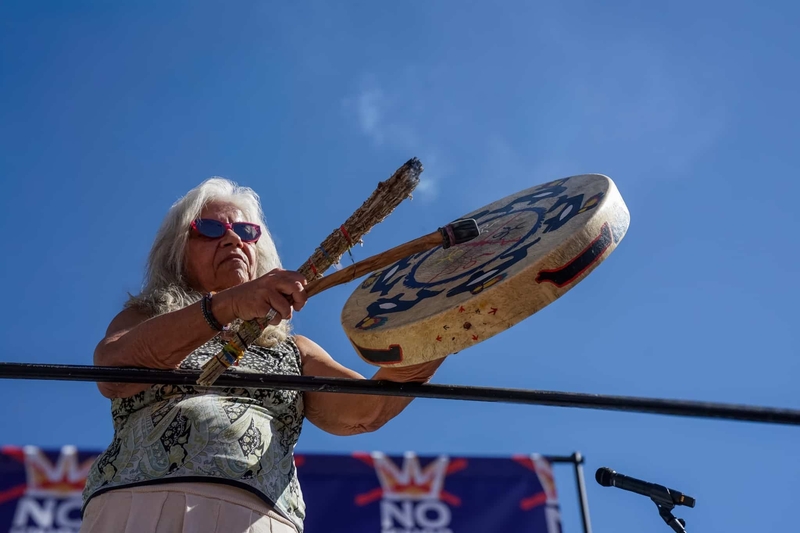
State Sen. Angie Taylor served as emcee for a lineup of speakers that included Western Shoshone National Council Chief Johnnie Bobb and healing woman and spiritual advisor Mary Lou, who opened the program with a sage blessing.
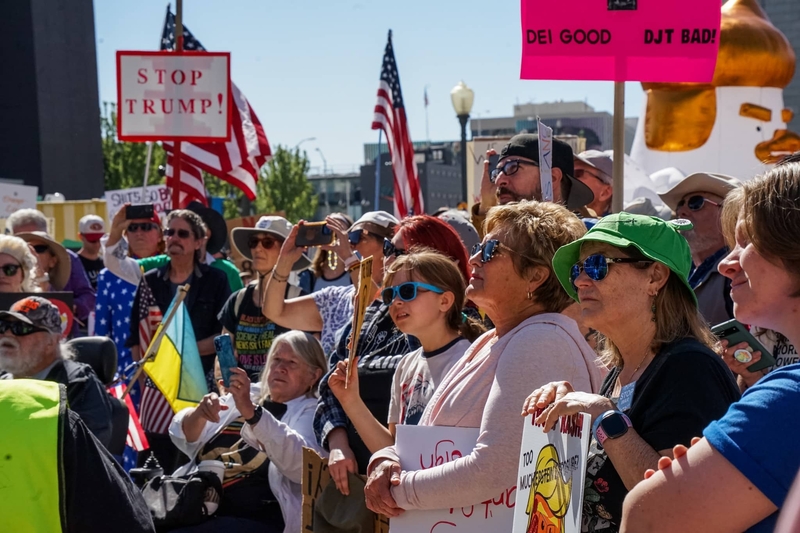
Attendees who were also present at previous “No Kings” rallies said the turnout appeared roughly comparable to earlier demonstrations, if not slightly higher, and described Saturday’s event as more organized. Many noted the presence of multiple local organizations tabling along Virginia Street and in the Believe Plaza, including Planned Parenthood, Our Center Reno, and the Biggest Little Action Group.
The phrase “No Kings” is a nod to the anti-authoritarian, democratic principles the country was founded on, and which protesters say President Trump has ignored. The demonstration marks the third “No Kings” protest, part of a coordinated wave of rallies unfolding across the country.
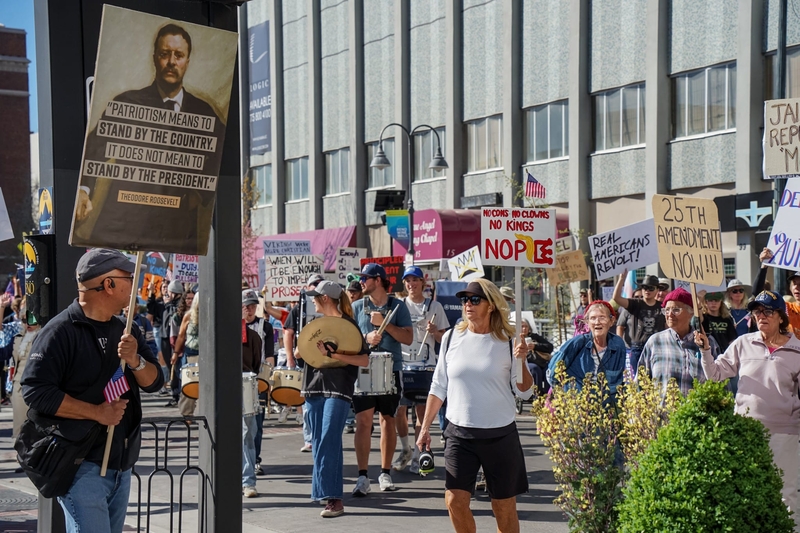
The movement does not coalesce around concrete, specific demands, rather reflecting a broader, diffuse nature. The result is an “all-of-the-above” protest—broad enough to attract large numbers of supporters, but less defined than movements built around a single, specific demand.
In Reno, Saturday’s “No Kings” protest surfaced a range of issues, including immigration enforcement, the war in Iran, U.S. ties to Israel, and the yet-to-be fully disclosed Epstein files.
One protestor, a woman who asked to remain anonymous due to fear of retribution, said the lack of focus in the “No Kings” message could be intentional—and, in her view, effective.
“For many of us, it’s hard to choose just one issue,” she said. “Americans are so disheartened, and they feel like they’re losing their power bit by bit. Events like this, I think, are one of the only ways to prove we still do have power, aside from voting.”
Others, however, say that same ambiguity can cut the other way.
While mass protests can generate visibility, their political and policy impact often depends on sustained organization—a tension political scientists and movement researchers have long noted, arguing that large demonstrations often require stronger organizational structures to translate momentum into lasting political influence.
It is a critique the “No Kings” protest is not immune to.
“This will be the third rally since Trump took office last year. Has anything changed? Anything improved?” wrote one user on Instagram.
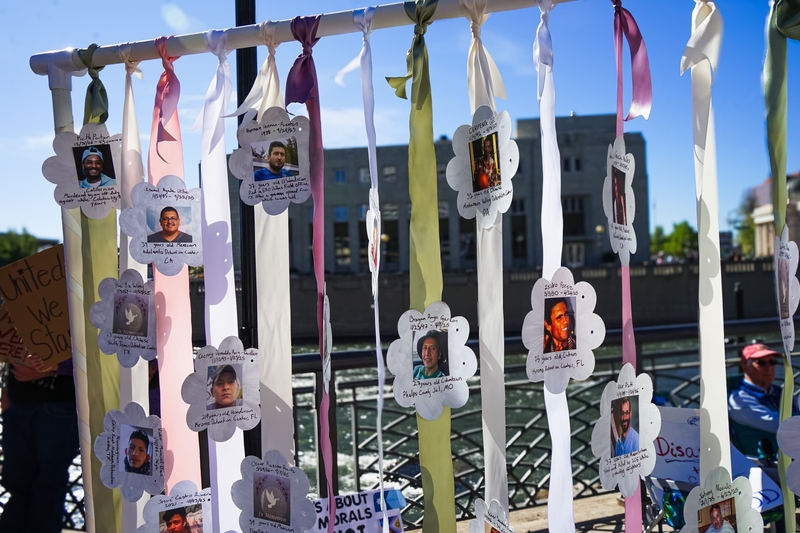
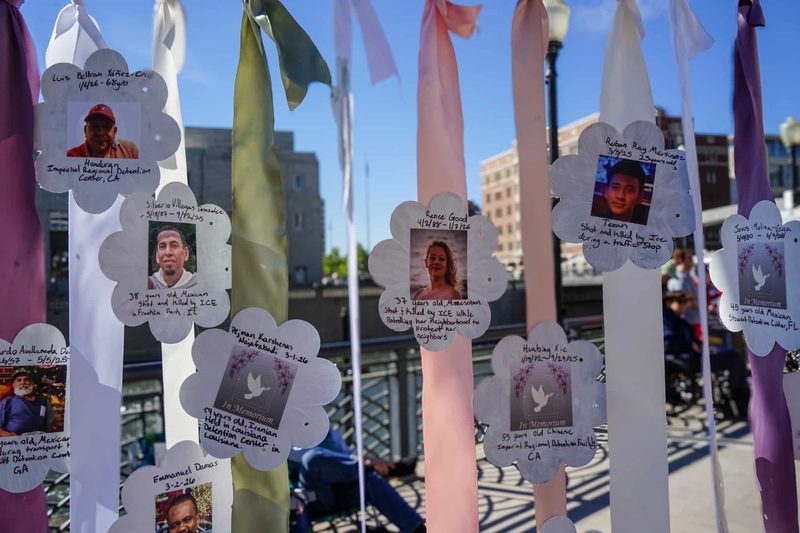
Despite improved organization and programming at this year’s Reno event, the “No Kings” movement remains largely decentralized, without a single leader or defining public face. Prominent progressive politicians such as Bernie Sanders and Alexandria Ocasio-Cortez have amplified its themes, but no figure has emerged to unify the effort.
Mr. Trump’s approval rating has fallen to 36 percent as of March 23, down from 45 percent around the time he took office last year, according to Reuters/Ipsos.
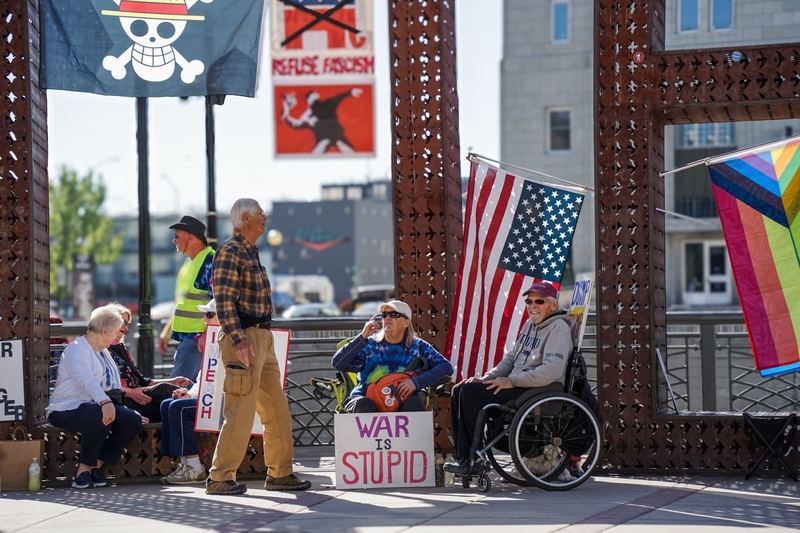
That kind of decline might typically benefit activists opposing an administration. But the “No Kings” rallies also highlight a broader challenge for progressives: whether their messaging is simple and direct enough to resonate with a wider electorate.
Organizers say they want this to be the largest turnout yet. But whether hitting a bigger number is enough to build an effective political movement remains an open question.
Las Vegas, NV