Supreme Court ruling fortifies trans sports bans in Georgia, other states
Jun 30, 2026 | 6:05 pm ET
Description
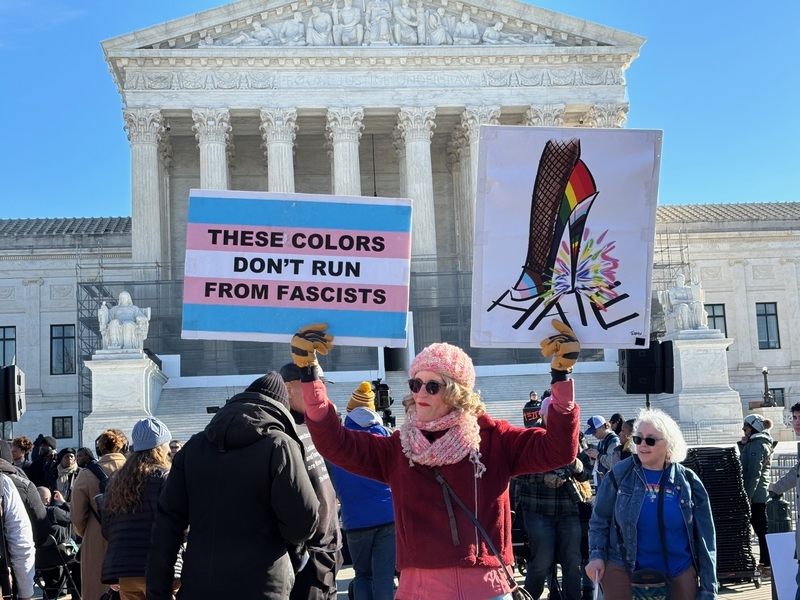
Demonstrators rallied outside the U.S. Supreme Court on Tuesday, Jan. 13, 2026, as justices heard two cases on state bans of trans athletes. (Photo by Jane Norman/States Newsroom)
A ban on transgender athletes participating on women’s and girls’ sports teams in Georgia is likely here to stay after a U.S. Supreme Court ruling upheld similar bans in two other states Tuesday.
US Supreme Court upholds transgender athlete bans in Idaho, West Virginia
The decision, which was released on the final day of LGBTQ Pride month, upholds bans in Idaho and West Virginia, with the justices ruling that such laws do not violate the Equal Protection Clause of the 14th Amendment.
Georgia’s ban, which took effect one year ago on Wednesday, is known as the Riley Gaines Act after a college swimmer who tied for fifth place with a transgender swimmer during a tournament at Georgia Tech. The law prevents transgender athletes from playing on team sports that match their gender identity at both K-12 and college levels. It also requires separate facilities — including restrooms, locker rooms and sleeping areas — for men and women at athletic events and sets up a pathway to legally challenge schools that violate the law.
Advocates for the LGBTQ community in Georgia, such as Georgia Equality’s executive director Jeff Graham, swiftly condemned the decision.
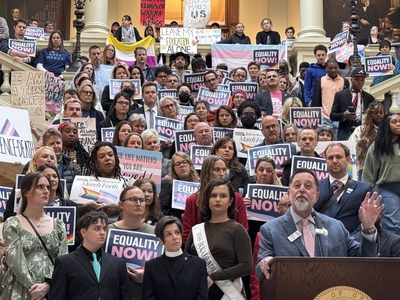
“The Supreme Court’s decision is disappointing, and it is hurtful to transgender young people and their families — especially in states like Georgia where our existing bans have been given clearance to stand,” Graham said in a statement. “Allowing states to pass blanket bans that exclude transgender students from every sport, at every age, and at every level of competition does not advance fairness.”
He also cautioned that such policies could result in “witch hunts” that can target any child who doesn’t conform to gender stereotypes.
But Republican officials, such as Attorney General Chris Carr, applauded the ruling and highlighted efforts to restrict transgender students from participating on sports teams that align with their gender identity in Georgia. The Georgia High School Association and National Collegiate Athletic Association have both banned transgender girls from competing on girls’ teams, and the Riley Gaines Act codified the ban.
“We have taken action here in Georgia to preserve fair competition, and this decision paves the way for every other state to do the same,” Carr said in a statement.
Carl Charles, an Atlanta-based attorney at Lambda Legal who helped represent the plaintiff in the West Virginia case, expressed disappointment with the ruling, but said the Supreme Court’s decision notably did not restrict states from letting trans athletes compete on teams that are consistent with their gender identity.
“The decision is very clear that it does not stop states from legislating inclusivity as their policy,” he said.
But for states with bans already in place, such as Georgia, the decision likely extinguishes any possibility of overturning those laws through the courts.
“At least for now, it closes the door on challenges to the Riley Gaines Act,” Charles added.
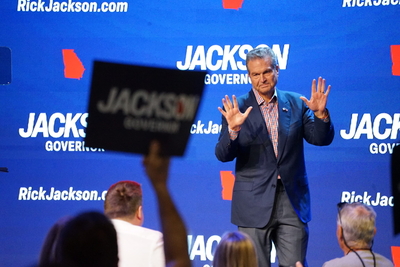
Candidates running for statewide office were also quick to weigh in on the ruling. Rick Jackson, the Republican nominee for governor, celebrated the Supreme Court’s decision, calling it a “common sense ruling,” and issuing a jab at his opponent, Democratic nominee Keisha Lance Bottoms.
“As Governor I will always safeguard our children from a woke and radical ideology,” he said in a statement.
Bottoms’ campaign spokesperson, TaNisha Cameron, responded with this statement:
“As Keisha has said, she is the mother of four children, including a twin daughter and son, and understands that there are important differences between male and female athletes in competitive sports. However, Keisha believes decisions about athletic participation should be made by the appropriate athletic governing bodies — not by politicians.”
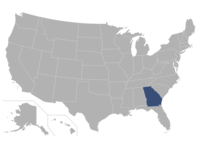
Atlanta, GA