Supreme Court clears the way for receiver to run Arizona prison healthcare
Oct 01, 2026 | 8:53 pm ET
Description
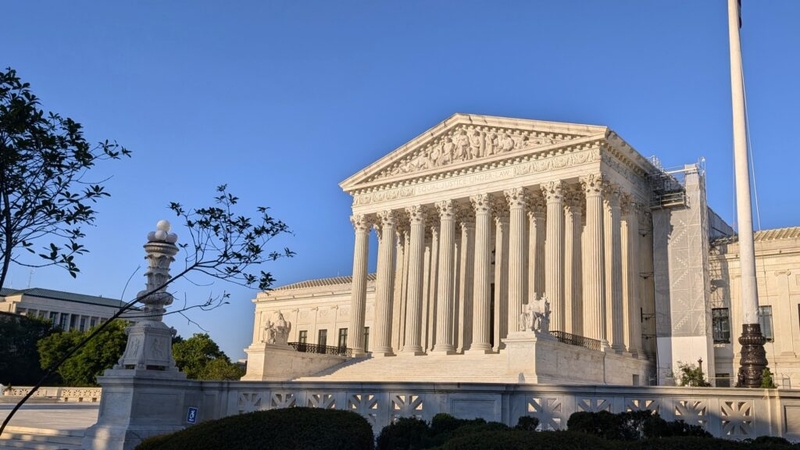
(Photo by Jim Small/Arizona Mirror)
The U.S. Supreme Court rejected Arizona corrections officials’ last-ditch attempt to delay a court-ordered takeover of the state’s unconstitutional prison healthcare system.
After facing rejections from the federal trial court judge who imposed the receivership and the 9th U.S. Circuit Court of Appeals, the Arizona Department of Corrections, Rehabilitation and Reentry asked the U.S. Supreme Court to intervene.
But in an order Thursday, Justice Elena Kagan denied the department’s request.
Attorneys representing around 25,000 inmates currently in state custody praised the decision, again pointing to the 14-year history of the healthcare litigation and the continued risk to incarcerated people.
“Arizona has spent years fighting accountability at every turn while people in its prisons continue to suffer and die from preventable causes,” Corene Kendrick, deputy director of the ACLU’s National Prison Project, said in a statement. “During that time, the state has paid millions of dollars in fines and spent enormous sums litigating this case, and people in ADCRR custody pay the highest price of all.”
The receiver is set to take over Oct. 19. And in the meantime, attorneys for the inmates and the state continue to debate the merit of receivership itself in front of the 9th Circuit.
Inmates first sued the department in 2012, alleging the state’s substandard prison healthcare system had resulted in preventable injuries, unnecessary pain and suffering and death. The result, they argued, was a violation of their Eighth Amendment rights to not be subjected to “cruel and unusual punishment.”
The district court first tried a settlement agreement in 2014. But in 2021, after finding the department failed to comply with court orders, U.S. District Judge Roslyn Silver cancelled the settlement and sent the parties back to trial to suss out the state of healthcare.
In 2022, Silver found extensive violations of inmates’ constitutional rights. The two sides agreed to a permanent order requiring a series of changes to the healthcare system and more than 150 quality indicators that would be evaluated continually to chart compliance.
But the incarcerated plaintiffs returned to court in 2025, citing multiple reports from the court’s experts that described pervasive failings in healthcare delivery, continued risk of severe harm and preventable deaths.
In February, Silver granted their motion to place the prison healthcare system into receivership, wresting control away from the agency. She later appointed Annette Chambers-Smith, the former director of the Ohio Department of Rehabilitation and Correction, to take the helm.
ADCRR immediately appealed the decision and requested a stay from the district court, then the 9th Circuit Court of Appeals and finally, the U.S. Supreme Court.
To help its chances, the state hired former U.S. solicitor general Paul Clement to consult on stay briefing in the 9th Circuit and to file the petition with the U.S. Supreme Court, paying him $300,000, according to a letter from the Attorney General’s Office.
Last month, Clement filed a petition on the Supreme Court’s “shadow docket,” in which justices can decide on emergency and procedural orders without hearings, extensive briefing or written opinions. Clement claimed Silver rushed to receivership instead of attempting other remedies to compel compliance first, and he argued the state had in fact made great progress in the three years it had to meet the court’s order. He further stressed the harm the state would face if it lost control of its prison healthcare system.
“(T)he district court’s impatient order will irreparably injure the Department and Arizona’s sovereign interests the moment it goes into effect,” Clement wrote. “This Court should grant relief to allow Arizona’s correctional healthcare system to remain in the hands of state officials answerable to the people of Arizona while this appeal proceeds.”
That argument had already failed with Silver and the 9th Circuit.
In response, attorneys for the inmates pointed out the department had twice failed to comply with court-ordered healthcare changes, resulting in “widespread and shocking medical and mental health neglect.” And they contend receivership is essential to actually moving the needle toward compliance.
“The Court should deny the stay so that the receiver can begin the important work of implementing the injunction — work that all parties agree is essential to save lives in Arizona’s state prisons,” attorneys for the plaintiffs wrote.
Kagan declined the department’s petition.
The day before seeking relief from the Supreme Court, the department filed its opening brief opposing receivership with the 9th Circuit, making many of the same arguments.
Senate President Warren Petersen and House Speaker Steve Montenegro waded in, too, in an amicus, or “friend of the court” brief.
The legislative leaders claimed receivership would interfere with appropriations power and lawmaking authority, given the receiver would take the reins of the healthcare budget. And, the two expressed concern over the receiver’s ability to request a waiver of state laws, regulations and contracts from the district court.
“The Legislature’s institutional concern is direct and concrete: as the constitutionally designated keeper of the State’s purse, the Order compels the Legislature to work directly with, and respond to the budgetary demands of, a federal officer over whom it exercises no electoral or confirmatory authority,” wrote Joseph Kanefield, the attorney for Petersen and Montenegro.
Plaintiffs attorneys owe a response to the department’s opening brief on Oct. 15, and the parties are due for argument in front of a panel of 9th Circuit judges on Dec. 7.

Phoenix, AZ