Opioid settlement spending shows need for more oversight, NJ advocates warn
Oct 01, 2026 | 7:17 pm ET
Description
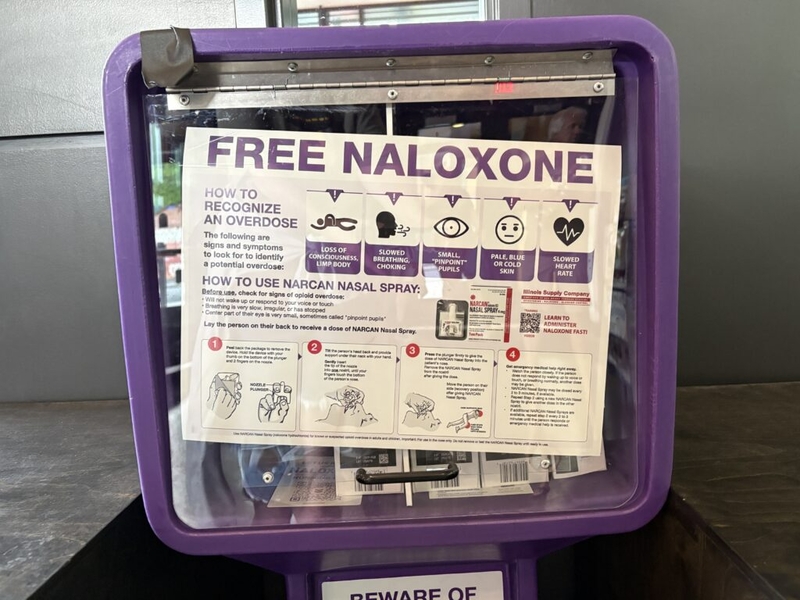
Some municipalities in New Jersey spent opioid settlement funds on boxes like this to provide free naloxone, an overdose-reversing drug, to passers-by. (Photo by Dana DiFilippo / New Jersey Monitor)
State, county, and municipal officials got more than $60 million in national opioid settlement funds over the past year that was meant to be spent to repair harms caused by the deadly overdose crisis.
Instead, it funded concerts, inflatable bounce houses, DJs, dirt bike demonstrations, police canines, ice cream, movie nights, bicycles and gym gear for cops, graduation parties, college-prep programs, vehicle wraps, attorney fees, pet sitting, fishing, summer camps, meals, and more, according to spending reports released Thursday.
Now, harm reduction advocates are calling on policymakers to tighten oversight of how public officials spend the money, which is part of $1.1 billion the state and local governments will receive through 2038 from drug manufacturers, distributors, and pharmacies to resolve lawsuits.
“We all tend to refer to this as blood money,” said Amanda Devecka-Rinear, executive director of the New Jersey Organizing Project. “We’ve all lost someone to an overdose, and many of those people were lost because they were prescribed a drug that Big Pharma knew was addictive and did anyway. This money is an attempt to rectify that, and so using this funding for something other than expenditures that address the overdose crisis is an absolute disrespect and dishonor to the people we’ve lost and will lose.”
The demands for accountability are nothing new. Former state Comptroller Kevin Walsh urged lawmakers last year to better scrutinize spending after he found Irvington blew more than a half-million dollars on two drug-awareness concerts. Former Attorney General Matt Platkin and other critics seconded that sentiment after legislators diverted $45 million in settlement funds to hospitals struggling with federal Medicaid cuts.
“Nobody’s holding anybody accountable,” said Elizabeth Burke-Beaty, founder and CEO of Ocean County-based Sea Change Recovery Community and Harm Reduction Center.
Advocates hope the details hiding in thousands of pages of spending reports released Thursday will drive change.
The reports show that the state, its 21 counties, and 500-plus municipalities spent the money in all sorts of ways in the last fiscal year, which ended June 30.
Millions went to things that advocates agreed were worthy, met approved uses, and fit the five priorities harm reduction experts support: addiction treatment; prevention; housing; recovery supports like peer coaching; and other supports like job training, transportation, and family reunification programs.
But plenty of the spending raised eyebrows.
Paramus spent $4,200 on a free opioid awareness concert. Garfield paid $2,600 for bounce houses, a DJ, and microphone rentals for a three-hour “Let’s Knock Out Opioid Use Together” event. Willingboro shelled out $12,400 for a “Summer In Motion” series featuring free food, games, and recreational activities targeting youth. Metuchen forked out $3,000 for a “BMX drug awareness program” featuring dirt bikes. Lodi spent $1,900 on a “Say No to Drugs Ice Cream Event.”
Multiple towns used settlement funds for school graduation parties, summer camps, after-school programs, movie nights, and more — events intended to keep kids too busy to dabble in drugs.
“Municipalities are sort of the worst offenders of using the funds very liberally to meet their needs,” Burke-Beaty said. “Expenditures are done under the guise of ‘prevention.’”
Many towns explained expenditures as strategies to reduce barriers to treatment, but advocates said some officials stretched the idea of what constituted a barrier. Somerset County spent $5,000 on Paw of Hope, which provides temporary pet care for people entering recovery.
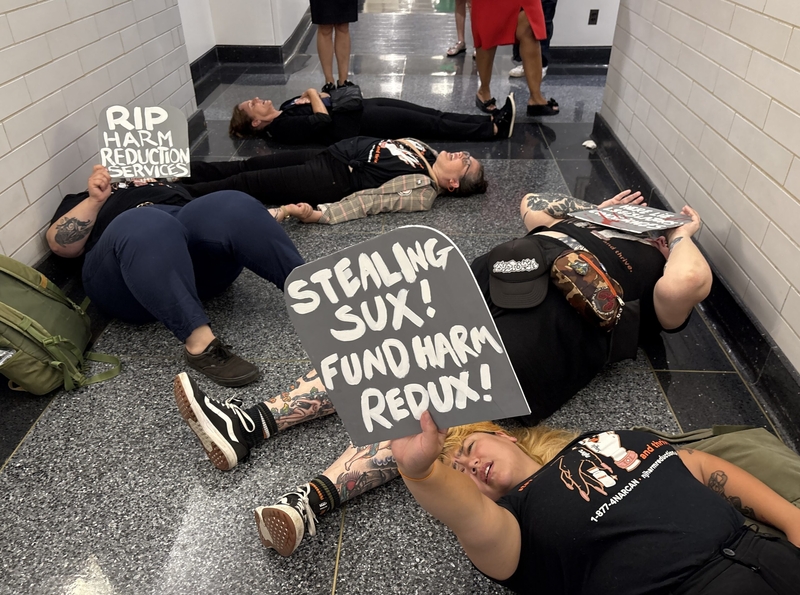
Advocates also suspected some municipalities are increasingly using opioid settlement funds to plug budget holes as the economy worsens, noting that some expenditures were things public officials normally would pay for out of their general funds such as transportation and food pantries.
Gloucester County spent more than $71,000 on buses for elementary school students to get to after-school programs, with another $179,000 allocated under a two-year agreement with Holcomb Transportation. The primary focus of the spending, officials noted, was to “prevent misuse of opioids.”
Scores of police departments got settlement funds for officers’ salaries, training and conferences, and physical and mental wellness, as well as drug-detection devices and other tools.
Hospitals also were a common recipient. Edison earmarked $1 million for the JFK University Medical Center to fund a three-year contract for treatment and related services.
Advocates eyed such spending as potentially problematic, saying police historically have caused some of the harms experienced by those who struggle with addiction and that community-based harm reduction specialists can be more effective than hospitals.
Cole Zaccaro, manager of harm reduction services at Asbury Park-based Prevention Resource Network, doesn’t automatically see something wrong with “creative” uses of settlement funds. Many of the spending reports, though, are scant enough that they leave more questions than answers, Zaccaro said.
“It’s hard to say from a distance what’s the best use of funding,” they said.
The key is ensuring people with lived experience are involved with the decision-making, and that should be tracked and publicly reported too, they said.
“Ultimately what’s most important is that the purpose of these funds is to address the harms caused by the opioid crisis. So if the benefits are not being directly felt by the people who have experienced those harms, then we’ve missed the mark,” Zaccaro said.
Some states have tightened oversight by barring certain uses of settlement funds, such as police salaries, although New Jersey has no specific prohibitions in place.
Several state legislators recently introduced a bill intended to expand transparency and oversight of state, county, and local spending of settlement funds. The details of the legislation aren’t online yet, because they’re still being tweaked, according to Burke-Beaty, who said she worked with lawmakers on the bill. Bill sponsors Assemblymen Cody Miller (D-Gloucester) and Avi Schnall (D-Ocean) did not respond to requests for comment.
With no action yet from lawmakers, Burke-Beaty’s group launched its own website last month where people can see recommended strategies for spending, check how their towns are using the money, and more.
While settlement fund recipients are required to file reports even if they didn’t spend any money, multiple municipalities did not — including Irvington, Paterson, South Brunswick, and more.
Devecka-Rinear hopes the missing reports and more questionable spending revealed in Thursday’s reports will incite the public to push for accountability.
“Right now, it feels like everyday people are, in fact, the current and best leverage we have to make sure that this funding is spent well,” she said. “We all need to get in the game, but we also need some actual official oversight and leverage to make sure that this money isn’t being misspent.”
Trenton, NJ