Sponsor, opponent debate need for North Dakota ballot measure to change constitution
Sep 22, 2026 | 3:48 pm ET
Description
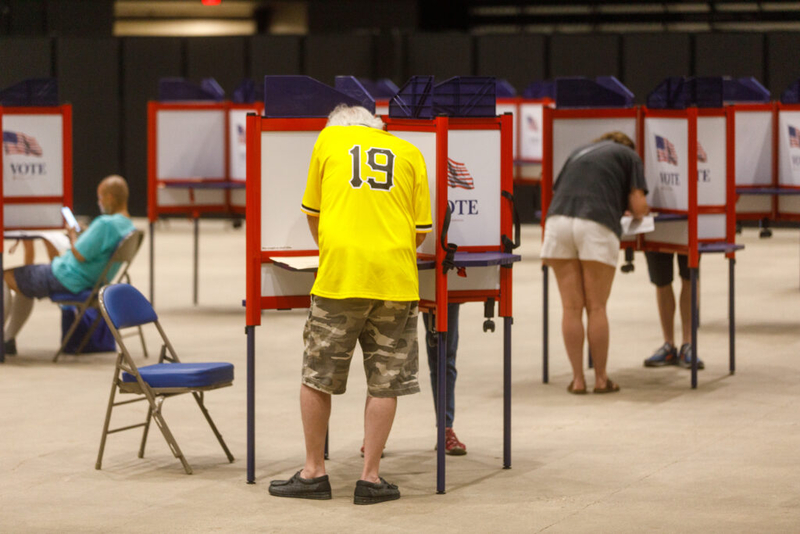
Bismarck residents cast their votes June 9, 2026, at the Bismarck Event Center. In November, voters will weigh in on a ballot measure that would require a 60% vote threshold to pass future constitutional ballot measures. (Photo by Kyle Martin/For the North Dakota Monitor)
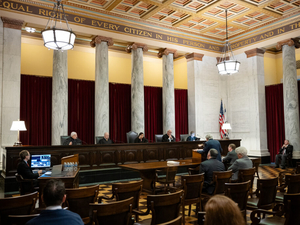
The debate over a ballot measure to change North Dakota’s constitution took center stage Tuesday at a policy summit in Bismarck.
The Greater North Dakota Chamber event featured a proponent and opponent of Measure 1, a constitutional amendment proposed by the Legislature that would require a 60% vote threshold to pass future constitutional ballot measures.
The 60% vote threshold would only apply to constitutional ballot measures and not statutory ballot measures that change state law.
Speaker of the House Rep. Robin Weisz, R-Hurdsfield, the chief sponsor of the resolution that became Measure 1, said event organizers gave him seven minutes to speak in support of the measure, but he only needed a few words.
“It’s all about the constitution,” Weisz said. He pointed out the state’s 50% vote threshold for constitutional ballot measures has led to the North Dakota Constitution being amended 168 times since 1889.
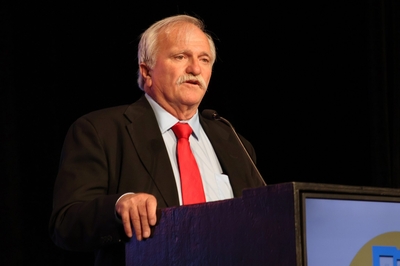
If the U.S. Constitution could be changed by a simple majority, Weisz opined many of the country’s important rights would have been put in jeopardy over the years.
Kathy Tweeten, president of the League of Women Voters of North Dakota, spoke against the measure. She said the group opposes the higher voter threshold because it places a “significant barrier” for North Dakotans participating in the political process. She added the citizen-initiated ballot measure process has been a part of the state for more than 100 years.
“It provides voters a direct voice in important public policy decisions,” Tweeten said. “It’s right in the title after Article 3, powers reserved for the people.”
Using data from the 2024 election, she said it would have taken an additional 37,000 votes to reach the 60% threshold over a simple majority.
“What this does, in my mind, is to give the power to a super minority,” Tweeten said about how Measure 1 would affect the state’s vote threshold for future constitutional measures.
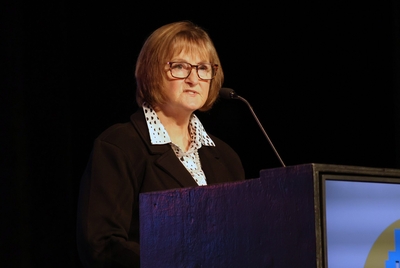
She added ensuring each voter has an equal opportunity to make their voices heard is important to the state’s elections.
Weisz said opposition for Measure 1 is coming from an out-of-state interest group, which he said shows the need for a 60% vote threshold in order to protect the interests of North Dakotans.
The Fairness Project, an organization based in Washington, D.C., that promotes ballot access, has begun running ads in opposition to Measure 1 in the state.
Strong ND, an independent expenditure organization aligned with North Dakota Gov. Kelly Armstrong, is running ads in support of Measure 1 that urge voters to not “California our North Dakota.” Armstong said he supports the Strong ND ads that have been released.
State lawmakers debated the issue during the 2025 legislative session before the resolution passed the House and Senate on 65-28 and 33-13 votes, respectively.
Rep. Steve Vetter, R-Grand Forks, told lawmakers at the time the purpose of a constitution is to protect the rights of the minority against the “mob rule” of the majority.
“All this bill does is raise the threshold slightly for amending the constitution so the minority has some protection in North Dakota,” Vetter said. “We have an initiated measure process to change Century Code. This is not changing that.”
While lawmaker intentions may have been in the right place, House Minority Leader Zac Ista, D-Grand Forks, said the message the measure sends to voters is that lawmakers want to make it harder for North Dakotans to exercise their constitutionally protected power to change the state’s founding document. He added the ability of citizens to change the state’s constitution with a majority vote is an important check on elected officials.
“It’s a way for North Dakota voters to make changes that we, as legislators, have failed to make, or refused to make,” Ista said.
South Dakota voters also will decide this November whether to approve a 60% vote threshold for future amendments to the state’s constitution. Similar measures to change South Dakota’s vote threshold for constitutional measures failed in 2022 and 2018.
North Dakota Monitor reporter Michael Achterling can be reached at [email protected].
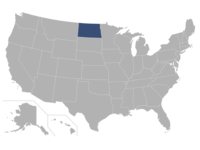
Bismarck, ND