New Mexico public schools see decline in Native certified teachers, state education data says
Nov 02, 2026 | 4:00 pm ET

Description
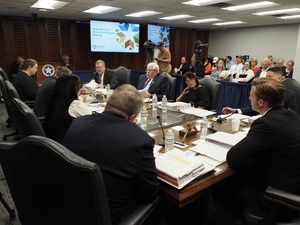
A New Mexico Public Education Department official with the Indian Education Division told lawmakers on Oct. 30, 2026, that the number of state-certified Native language and culture teachers decreased over the past year. (Photo courtesy of Getty Images)
New Mexico’s public education system saw a steep decrease in Native language and culture teachers over the past year, according to data presented to state lawmakers on Friday.
The state’s certification program for Native American language and culture allows experts in those fields to teach in New Mexico public and charter schools without a college degree and, if full-time, earn the annual salary of a Level 1 teacher at $55,000.
Teachers certified in the 520 Native American Language and Culture Certification program play a role in the New Mexico Public Education Department’s action plan to address the landmark Yazzie/Martinez education equity lawsuit by expanding Native language education and increasing the number of students who graduate with proficiency in English and another language, including Native languages.
KatieAnn Juanico, assistant secretary for PED’s Indian Education division, highlighted the importance of Native-certified teachers to the interim Indian Affairs Committee, saying: “I was raised on the reservation — without our language, we lose a sense of self, a sense of respect.”
But recent PED data she presented shows a decline in the overall number of 520-certified teachers in public and charter schools statewide. In July 2025, PED reported 234 Native language and culture teachers in public and charter schools, new PED data shows there are now 147—a 37% decline in just over a year.
Juanico explained that based on feedback she’s received, many 520-certified teachers struggle with the requirements once they enter a public or charter classroom, particularly with classroom loads and developing lesson plans.
The 520-certified Native teachers realize, according to Juanico, “‘Whoa, what did I sign up for?’ with all these students that I have to watch, manage and build lesson plans for.” She added that, “Oftentimes, our 520 teachers, our tribal community members, don’t come to the classroom knowing all those things.”
Juanico added that PED only tracks 520-certified teachers in public and charter schools and the decrease may also be due to Native teachers with the 520 certification returning to a tribal school after teaching at a public or charter school. Collecting that data “is an opportunity to understand why those teachers are leaving the district and charter schools,” Juanico said.
To support 520-certified Native teachers, Juanico said the Indian Education Division wants to develop classes for Tribes, Pueblos and Nations to boost Native-teacher success after receiving the 520 certificate, and to work with districts and charter schools to recruit and hire more certificate holders.
State Rep. Patricia Royal Caballero (D-Albuquerque) highlighted the need for the PED Indian Education Division to collect more information on 520-certified teachers and how they’re addressing gaps articulated in the Yazzie/Martinez case.
“It is important to have that information because we should be modeling and showcasing our tribes as leading the charge in this,” Roybal Caballero said.
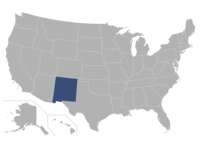
Santa Fe, NM