South Dakota’s top election official, a Republican, endorses a Democrat to succeed her
Sep 20, 2026 | 1:53 pm ET
Description
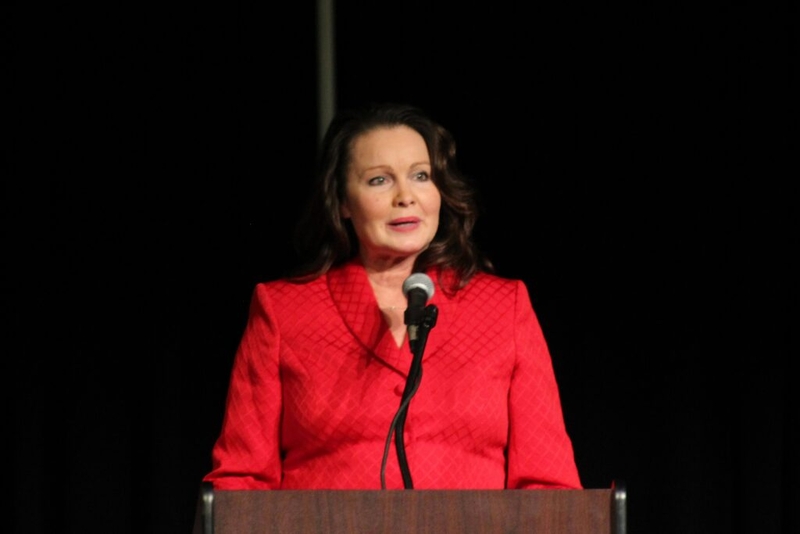
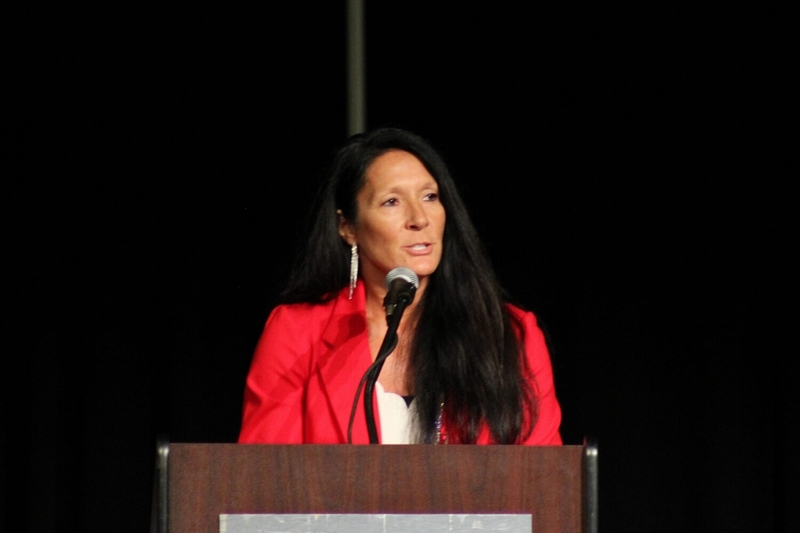
South Dakota Secretary of State Monae Johnson addresses the state Republican convention on June 27, 2026, at The Monument events center in Rapid City. (Photo by Seth Tupper/South Dakota Searchlight)
Four years after refusing to acknowledge the legitimacy of a Democratic president’s electoral victory, the Republican who serves as South Dakota’s top election official has endorsed a Democratic candidate to succeed her.
“I understand that this decision will disappoint some people in my party and anger others,” Secretary of State Monae Johnson said Saturday in a written statement.
The announcement was the culmination of a shift that Johnson had been signaling for several years.
She won her office in 2022 with the support of activists calling for changes such as hand-counting instead of machine-counting votes, due to allegations that vote-counting machines — which are not connected to the internet in South Dakota — could be hacked.
Some of the activists who supported Johnson were motivated by Republican President Donald Trump’s claims of fraud in his 2020 election loss to Democratic President Joe Biden. When South Dakota Searchlight interviewed Johnson before her election four years ago, she said “I don’t know” in response to a question about whether she believed those claims.
After she got the job, Johnson helped usher in changes including the implementation of post-election audits in all South Dakota counties, the results of which helped prove the accuracy of vote-counting machines. She did not pursue some other changes, such as shifting from machine-counting to hand-counting all results, and she lost some support.
Four years after delegates at the Republican state convention backed Johnson as their nominee over an incumbent who was perceived as insufficiently devoted to changing election laws, delegates at this year’s convention chose Heather Baxter, a challenger who supports some of those changes, as their nominee over Johnson.
During the June convention, Johnson made it clear she had moved away from some of the positions of her former supporters. She referenced vote-counting machines when she said in a speech, “I fully support the use of secure, tested ballot tabulators.”
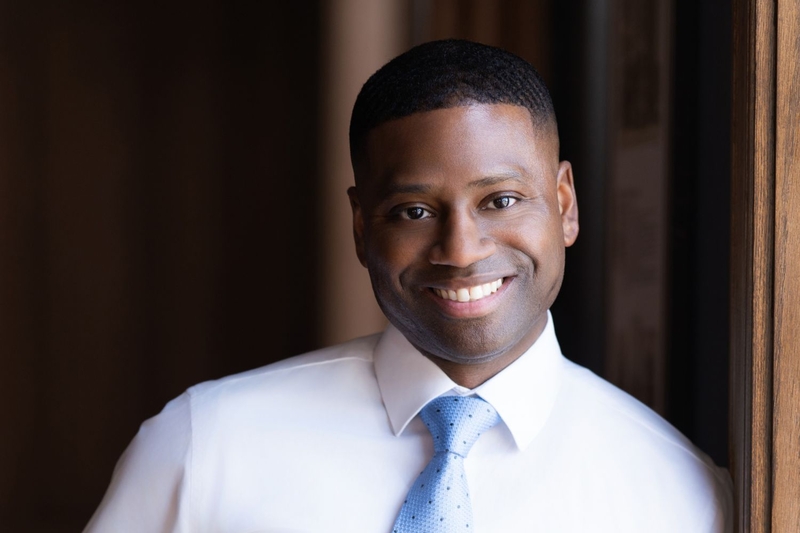
Then, on Saturday, Johnson endorsed Democratic nominee Terrence Davis to succeed her. Johnson made the endorsement in a written statement published by the South Dakota War College political blog. It’s operated by Pat Powers, a Republican who worked for a previous secretary of state.
Johnson wrote that after serving as an employee in the office and then in the elected post, “I know the difference between campaigning for this office and carrying the responsibility of leading it.”
“I cannot remain silent when I believe the integrity, stability, and professionalism of this office is at stake,” Johnson wrote.
She said her time in office taught her that in response to calls for overhauling election systems, the secretary of state “must consider the law, the information available, the effect on county officials, the security of statewide systems, the rights of voters, the cost and workload created by a change, and whether the proposal can be implemented within the deadlines the law requires. It also requires a willingness to review new information and change course when the evidence supports doing so.”
Johnson did not mention Baxter by name or identify specific concerns about Baxter’s positions but said “South Dakota deserves a Secretary of State who will strengthen confidence through performance rather than provocation; who will support election officials rather than burden them for political effect; who will protect voter access and election security without pretending those goals are enemies; and who will treat the office’s employees, voters, candidates, and business owners with dignity.”
Davis responded by writing on social media that he is “deeply grateful” for Johnson’s support.
“Monae and I come from different political parties. We will not agree on every issue,” Davis wrote. “That is exactly why her confidence in me means so much.”
Davis, a former state trooper, would be the first Democratic secretary of state in South Dakota since the late Lorna Herseth, whose last year in office was 47 years ago in 1979. Davis would also be the first Black person to win a statewide elected office in South Dakota. He advocates policies to make voting easier, including automatically registering all South Dakotans to vote on their 18th birthday.
Baxter is a Republican state representative from Rapid City who lost her reelection bid for that office in the June primary election before winning the party’s nomination for secretary of state. She responded on social media Saturday, writing that her win over Johnson at the Republican convention was not the result of “confusion.”
“The letter beside a name is not decoration,” Baxter wrote. “It tells voters what governing philosophy they will carry into the office that runs our elections and business services.”
Baxter also pledged support in her post for “election integrity” measures including voter identification, paper ballots and proof of citizenship — all things that South Dakota already requires. She did not call for hand-counting of votes in her response to Johnson. At the time of her nomination by the Republican state convention in June, Baxter’s campaign website said she wanted to “ensure every vote is counted accurately via paper ballots that are hand counted.” Her website now has modified language, saying she supports “improved hand counting methods.”
The race for secretary of state also includes a Libertarian nominee, Tamara Lesnar.
Besides overseeing elections, the secretary of state’s responsibilities include the management of campaign finance reporting, lobbyist registrations, business corporate filings and concealed pistol permits.
Advance voting for the Nov. 3 general election is underway, and the voter registration deadline is Oct. 19.

Pierre, SD