Sometimes the best crop is grass
Sep 03, 2026 | 5:54 pm ET
Description
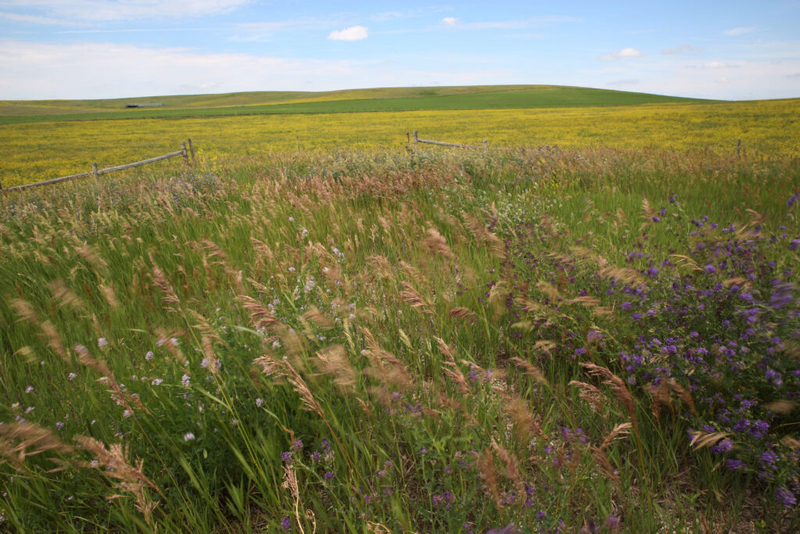
Grass sways in the breeze in a ditch outside of Union Center, South Dakota, on June 26, 2026. A field of sweet clover blooms in the distance. (Photo by Makenzie Huber/South Dakota Searchlight)
South Dakota farmers are sending Washington a message with their acres. It deserves attention.
This year, producers offered nearly 290,000 South Dakota acres for Conservation Reserve Program enrollment. About 54,000 acres were renewals and 237,000 acres were new land. The U.S. Department of Agriculture accepted about 209,000 acres.
Those numbers suggest something plain: Many South Dakota landowners are deciding some of their acres make more sense as grass than as another crop.
That comes at an interesting time in the farm bill debate. The Senate Agriculture Committee failed to advance its bill Aug. 6 amid disputes over food assistance and Republican absences. Chairman John Boozman says he will try again.
For farmers and ranchers who have waited years for a new farm bill, another delay is hardly welcome. But the conservation provisions are not necessarily finished.
South Dakota has some ideas already on the table.
Sen. John Thune has proposed changes to CRP that are included in the Senate bill. They would restore cost-share assistance for mid-contract management such as prescribed fire, help pay for fencing and water development, improve grazing and haying flexibility and raise the annual CRP payment limit.
Those changes may sound technical, but they matter. Grazing, prescribed fire and other management can improve forage and rejuvenate habitat for pheasants and other wildlife.
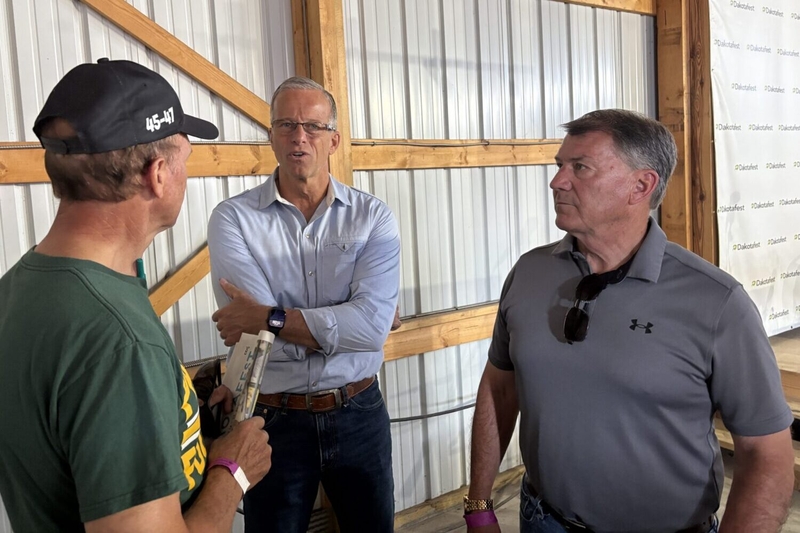
Sen. Mike Rounds has proposed something different. His bipartisan RANCH Act would give willing producers an option to take marginal cropland, restore it to perennial grass and, crucially, continue using it for livestock production.
The distinction is the point. The proposal is not about idling farmland.
The land could be grazed throughout the season. Producers would enter 10- to 15-year contracts, receive annual payments tied to county cropland rental rates and get help establishing grass. Highly erodible and poorly performing cropland would receive priority. The program could eventually cover as many as 20 million acres nationally, which is equivalent to 31,250 square miles.
South Dakota already has experience combining grass and agricultural production.
By 2024, about 1,800 South Dakota landowners had nearly 1.5 million acres enrolled in Grassland CRP. Those acres remain in grass while supporting sustainable livestock grazing.
Grassland CRP generally helps keep grasslands intact. Rounds is proposing the other side of the equation: helping willing producers turn some marginal cropland back into grass.
Researchers examining U.S. land-use changes from 2008 through 2016 found that 88% of newly expanded cropland came from grasslands — and nearly 70% of those acres produced below-average yields.
South Dakota was among the places where grassland conversion was particularly significant. Nationally, millions of acres went from grass to crops, much of it becoming below-average cropland.
That raises a practical question: If many acres converted from grass to crops proved to be relatively poor cropland, why should federal policy make continued cropping the most attractive option?
Crop insurance remains an essential part of the farm safety net. South Dakota producers know better than most what drought, excess moisture, hail and other weather risks can do to crops.
But risk protection and land-use flexibility do not have to be competing ideas.
Rounds’ proposal would give a producer another choice: establish perennial cover, graze cattle, reduce erosion and still earn an economic return from the property.
Wildlife would benefit as well. Perennial grass provides nesting cover for pheasants and waterfowl, holds soil in place, slows runoff and improves water infiltration.
Rounds announces bill to encourage converting cropland back to pasture
The coalition behind the RANCH Act is notable: cattle producers, wildlife groups and conservation organizations backing a proposal that restores grass while keeping land productive. That coalition challenges the usual assumption that agriculture and conservation belong in separate camps.
A productive cornfield should remain a productive cornfield. The same is true for good soybean ground.
But South Dakota also has wet spots, saline soils, eroded slopes and marginal fields where grass and cattle may make more economic sense than another crop.
The state’s congressional delegation is well positioned to explore that possibility.
Thune has already shaped the Senate’s CRP provisions. Rounds has proposed a new working-grasslands option. Rep. Dusty Johnson serves on the House Agriculture Committee, and the House has already passed its version of the farm bill.
As Congress takes another run at the bill, those ideas belong on the same table.
South Dakota farmers have already shown they will use conservation programs when those programs fit their operations and make economic sense.
Not every acre that can carry a planter necessarily should be planted. Better farm policy may be to give producers another economically sensible choice for those acres.
Sometimes the best crop is grass.

Pierre, SD