Hendersonville Times
Don North
Vehicles manufactured between 1970 and 1996 will continue to get only the current headlight-and-horn tests while vehicles older than 1970 will be exempt from inspection entirely. The question is how well this limited law will enhance safety and reduce air pollution. Critics say it is a bit like testing teenagers for arteriosclerosis
For the new law, inspection stations have had to purchase costly equipment to check vehicles via their onboard computers to determine if their pollution controls are working or in need of repair. The law applies to the more recent model years because they alone have the necessary built-in computer that gives the desired readings.
An inspection that costs $9.10 this month is going to triple in price next month to $30. Many stations are quitting the inspection business due to the cost of buying the testing equipment plus $150 a month for a dedicated phone line required to send the results to the state motor vehicle office in Raleigh, which examines the readings and passes or rejects the vehicle.
The inspection station gets $23.50 and various state programs get the rest. Using the onboard computer to determine whether a vehicle’s pollution controls are operating properly could be an invitation to lucrative maintenance. The test does not identify pollutants but merely determines whether the vehicle’s pollution controls are working properly. It will flag a vehicle if the refrigerant in the air conditioning system is low, although this will not fail the inspection.
There are 163 reasons for a failed inspection and most vehicle owners lack the technical knowledge to challenge an unsatisfactory computer reading. Oxygen sensors are particularly erratic, and are expensive to replace. They will trigger a failing inspection and yet, I’m told, they do more damage to the catalytic converter and fuel mileage than the atmosphere.
In enacting its limited inspection law, the General Assembly noted that fuels in the coming years will be cleaner and the number of cars older than the 1996 model year will steadily diminish. This allows politicians to say they are attacking the problem even if vehicles so recent are not major culprits in polluting the air and the more likely offenders are not tested at all.
Many North Carolinians are likely to be tempted to skip the inspection rather that pay the $30. Or they could change their address to Transylvania County, which is exempt from the new law due to its low population density. Never mind that an offending car emits just as much pollution there as it does here. Common sense dictates that a law requiring tailpipe emissions checks on all vehicles would better serve all of the residents of North Carolina.
Inspections are now going to take longer because they are more complex and there will be fewer stations with the testing equipment. Florida went big for auto inspections in the 1970s, building inspection stations all over the state. Then, in response to public outcry over long lines waiting for inspections, the entire program was scrapped and the rhetoric about air pollution and vehicle safety disappeared.
If the new inspection law is seen as a burden to residents, it could face the same political fate. A good indicator of public reaction to the new law is the fact that stations have done several times their normal number of inspections this month as vehicle owners get one last sticker at the old rate.
The question being asked today is where is the logic in exempting all diesel powered vehicles, which are among the worst polluters, and vehicles older than 1996. Furthermore, why exempt everything on the road 35 years old or older from any safety inspection at all and why put a low-density population exemption into the law.
If inspection has any value in enhancing safety or the environment, it would seem that everything on the public highways should be included. Why exempt, for what would appear to be the sake of convenience, all those old clunkers and smoking trucks that are obviously doing the air more harm than the vehicles that have been singled out simply because they have computer connections?
Don North, a Times-News community columnist, lives in Hendersonville. His column appears on the fourth Friday of every month.
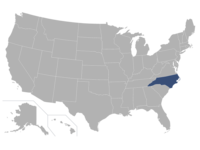
Raleigh, NC