Serving those who served: Why civil legal aid matters
Nov 06, 2026 | 7:44 pm ET
Description
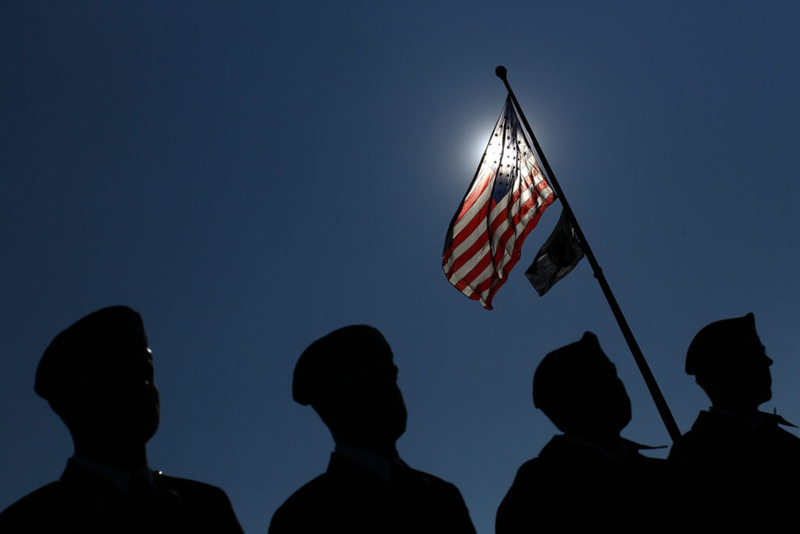
Soldiers from Ft. Lee, Virginia help mark Veterans Day ceremonies at the World War II Memorial November 11, 2011 in Washington, DC. Veterans Day in the United States honors those who have served in the nation's military and also coincides with the anniversary of the conclusion of hostilities on the western front in World War I. (Photo by Win McNamee/Getty Images)
Veterans have been in the spotlight as Americans across the country have celebrated our nation’s 250th birthday. And rightly so — the rights and freedoms that we enjoy are secured by the courage and sacrifice of our veterans. But while veterans took an oath to defend our rights, their own rights sometimes go undefended in our legal system when they face critical civil legal issues such as eviction, consumer matters and access to earned benefits.
For example, an Alaska veteran who served in the Army and lived with severe disabilities could not access VA healthcare because of his discharge status. After years of unsuccessful efforts to correct this error, he sought help from Alaska Legal Services Corporation. With free legal support from an ALSC attorney, he submitted a final application before a critical deadline and was approved. As a result, he can now access the healthcare he needs, a change that has been truly lifesaving.
Stories like his are not uncommon. Alaska has the highest number of veterans per capita in the nation, and many face legal problems that impact their quality of life. A study by the Legal Services Corporation found that over three-quarters of veteran households nationwide experience at least one civil legal problem each year and only 8% get the help they need to solve those problems. According to the VA’s annual CHALENG survey, legal issues are among the most persistent challenges facing homeless veterans. In fact, seven of the top-ten unmet needs reported by veterans in 2025 were legal matters, including family law, child support and debt issues.
When veterans do not get help with their legal problems, they face a cascade of social and financial consequences. In that Alaska veteran’s case, his incorrect discharge status and ineligibility for VA benefits limited his access to medical care, worsening his health and hindering his ability to work. Such consequences extend far beyond the individual household and ripple throughout our communities.
There are two major challenges with getting legal help. First, veterans must recognize that the challenges they face have legal solutions. Many people mistakenly believe lawyers are only necessary or helpful when someone has done something wrong. But civil legal aid exists to help people find solutions to a variety of challenges including unsafe housing conditions, access to veterans’ benefits and even military discharge upgrades. Second, after recognizing the need for legal assistance, there is the challenge of finding qualified, affordable help. In Alaska, we have legal deserts — places with no lawyers, courthouses or other legal infrastructure. For low-income veterans, Alaska Legal Services Corporation is the only statewide provider of free, comprehensive civil legal help. Because of limited funding, ALSC has historically had to turn people away: for every individual served, another goes unserved.
There is good news: In Alaska, our state, tribal and local government and private foundation partners increasingly recognize the importance of civil legal aid for veterans, and all Alaskans. National philanthropic partners have also recognized legal aid’s lasting impact. The Bob Woodruff Foundation is one such philanthropic funder. BWF ensures that our nation’s veterans, service members, their families and their caregivers — those who stood for us — have stable and successful futures. BWF has invested more than $7.5 million in civil legal aid organizations nationwide. In 2023, BWF began funding a full-time ALSC attorney dedicated to helping veterans across the state. Now in its third year, this partnership has provided legal help to more than 125 Alaska veteran households.
The success of the BWF-ALSC partnership demonstrates what is possible when legal aid is adequately funded, making threats to other critical funding sources all the more concerning. Legal Services Corporation — the largest funder of civil legal aid in the country — faces proposed elimination and significant cuts under the current federal budget process. If LSC were eliminated, ALSC estimates it would assist 13,000 fewer Alaskans, including hundreds of our veterans. In the last federal fiscal year, LSC avoided elimination and major cuts with a strong show of bipartisan support, including from Alaska’s congressional delegation.
Alaska’s veteran families deserve a holistic approach to solving problems they face. They should know that help is available, that legal solutions exist and that they do not have to face these challenges alone. If you know a veteran in need of legal help, reach out to ALSC at 888-478-2572. If you want to volunteer to help veterans with their legal problems, you can sign up at https://www.alsc-law.org/volunteer/.
Juneau