SC considers protecting nearly 6,000 acres ‘of critical importance’ near Grand Strand river
Feb 06, 2026 | 2:21 pm ET
Description
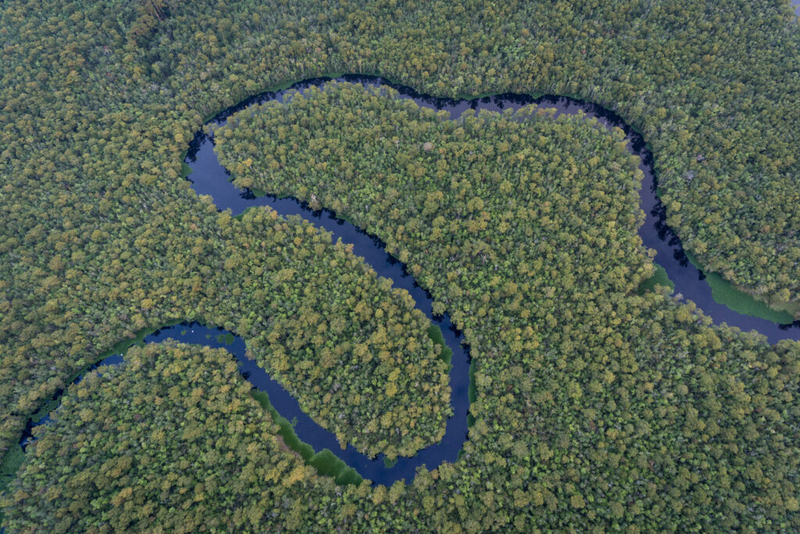
South Carolina could add nearly 6,000 more acres to the land already conserved surrounding the Waccamaw River. (Photo by Mac Stone/Provided by Open Space Institute)
COLUMBIA — South Carolina’s natural resources agency is eyeing nearly 6,000 acres for protection along a river that runs from the North Carolina line to Georgetown.
The projects, which could cost about $19.5 million, received initial approval from a financial oversight board of legislators this week. If everything works out, the land — parceled into five separate purchases — could add onto the 8,600-acre Waccamaw Heritage Preserve and Wildlife Management Area.
The 5,728 acres posed for protection are all in Horry County and would supplement the existing patchwork of protected areas, according to documents the Department of Natural Resources submitted. The land would be open for fishing, boating, hunting and hiking.
Along with the thousands of acres already under state conservation, the federal Waccamaw National Wildlife Refuge and the foundation-run Tom Yawkey Wildlife Center protect a combined 61,000 acres beside the river in the Georgetown area.
Development in fast-growing Horry County is a threat to the area’s wildlife. With it comes the potential to pollute the watershed and endanger the turtles, black bears, birds and other animals found in the area, according to the natural resources agency.
“This network is of critical importance to wildlife,” the funding request reads.
The 140-mile river, which flows from southeastern North Carolina through Horry and Georgetown counties, is “an excellent example of a black water river,” named for the dark color caused by tannic acid from fallen leaves and other organic materials that seeps into the water, according to the Department of Natural Resources.
The lack of development surrounding it makes the Waccamaw “one of the Southeast’s wildest and most beautiful rivers,” according to Open Space Institute, which has helped the state acquire land near the river. The conservation-focused nonprofit is helping negotiate to buy the land under consideration, which it then hopes to sell to the state at market value.
Most of the land the department is considering consists of hardwood swamp forests in freshwater wetlands. Some of the acres were loblolly pine farms. All of it is vital for more than a dozen uncommon plant species and a variety of birds, as well as deer, bears and otters, the agency wrote in its requests.
The proposals to buy the land are in the beginning stages. State officials must still close the deals and evaluate the properties to be sure they would make good additions to the state’s conservation network.
Also under consideration is 410 acres that would expand the Aiken Gopher Heritage Preserve, a prime habitat for the spotted tortoises, which are in danger of extinction in the state. The $1.3 million purchase would add more land along the river’s floodplain to the 2,000-acre property.
Another $2.4 million could add a 1,400-acre wildlife management area to the state’s portfolio, giving people another place to hunt and hike. The Pickens County land would include Brown Mountain, which has a peak of nearly 2,000 feet, and the forested areas surrounding it, according to the agency’s funding request.
Columbia