In rural Mississippi, crisis text services help fill mental healthcare gaps
Aug 26, 2026 | 9:30 am ET
Description
Photo courtesy of Mississippi Today
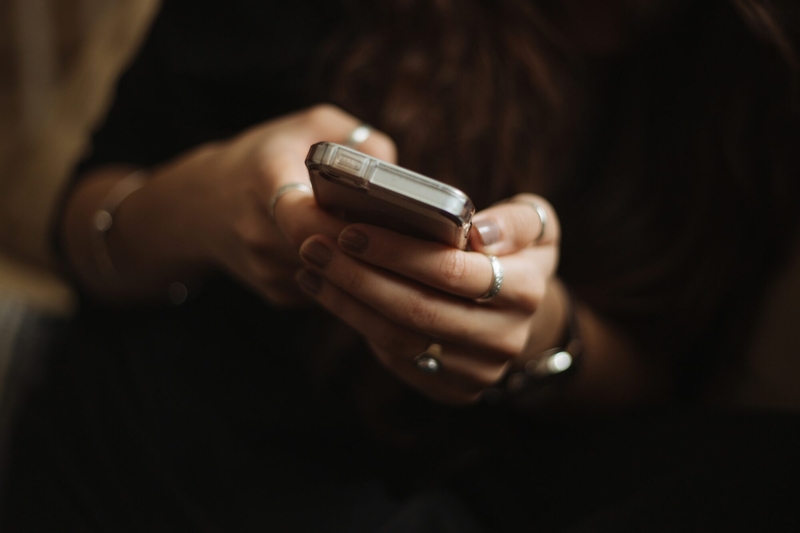
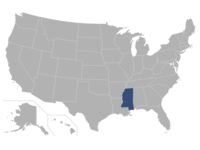
Rural Mississippi has the third highest rate of using texting services for mental health support in the nation, according to a new report by the crisis intervention nonprofit, Crisis Text Line.
The report is based on nearly 2 million text conversations across the nation from 2019 to 2024, at Crisis Text Line’s 741741 number. In Mississippi, 53% of people contacting the line resided in a rural county. Only Wyoming and Vermont had more rural texters.
Crisis Text Line hopes this report will add to the conversation around what people from rural communities need to support their mental well-being, said Tracy Costigan, vice president of impact evaluation and storytelling. She pointed to data on coping strategies as a potentially actionable area.
The most common topics of discussion among texters, who were mostly under age 25 and female, were depression and sadness. When it came to coping with these feelings, texters said they sought more social connection and opportunities for making art, such as writing, painting, theater or music.
“ One of the things that we find ourselves talking to policymakers about and community leaders about is, what will it take to get the funding in place, the infrastructure in place, to set up programs and spaces for people to connect socially,” Costigan told Mississippi Today.
Phaedre Cole, president of the Mississippi Association of Community Mental Health Centers, has seen texting and call lines bring more people into spaces where they can get help with their mental health.
“Crisis lines level the playing field, so to speak, with regard to rural pockets of the state,” Cole said.
While urban centers have more access points to mental healthcare, such as hospitals, psychiatric centers and public transportation, rural Mississippians often lack these resources, she said. Even if someone seeking care has means of transportation, the cost of gas can make continual trips to the closest treatment center prohibitive.
Text lines also provide more anonymity in small communities where someone may be afraid to be recognized in a mental health clinic, Cole told Mississippi Today.
“From most of the people who walk through our doors, it took months, and in some cases, years of anguish before they got the courage to pick up that phone,” she said. “So the crisis lines are really kind of unique and special in that you don’t even have to identify yourself.”
In Mississippi, if staff at the crisis centers in Jackson and Columbus aren’t able to answer a call or text to 988, the suicide and crisis lifeline, Crisis Text Line serves as a backup. Both are 24/7 services in English and Spanish that connect people seeking help with a licensed staff member. For 988 calls and texts, the contact gets first picked up in-state.
Mississippi has one of the highest answer rates for 988 calls in the nation, with 98% of the nearly 17,700 calls answered in the 2025 fiscal year, said Brenda Patterson, executive director of Mississippi’s CONTACT the Crisis Line. If needed, her staff can connect Mississippians to their local community mental health centers, a mobile crisis unit for immediate help or other resources for follow up.
Like Cole, Patterson pointed to the anonymity of crisis calls and text messages being a motivating factor for its use.
”While the national number and some helplines record calls, we in Mississippi do not record our calls, and I think that makes people feel a little bit easier about reaching out,” she said.
The usage of chats and texts has been increasing, Mississippi Department of Mental Health Executive Director Wendy Bailey wrote in a statement to Mississippi Today. She shared that there was a 140% increase in the usage of this service from fiscal year 2025 to 2026, with nearly 6,000 chats in the past fiscal year.
With transportation challenges and a lack of behavioral health workers in rural Mississippi, the standard model of sending people to a provider’s office isn’t sufficient, she told Mississippi Today.
“The goal is to make sure that when someone needs help right now, there is a trained person there to answer, listen, provide support, and connect that individual to the next level of care,” she wrote. “In a rural state like Mississippi, that accessibility can make a tremendous difference.”
Jackson, MS