Rural health grants aimed at offsetting Medicaid cuts go to 80 unique institutions
Aug 26, 2026 | 6:01 am ET
Description
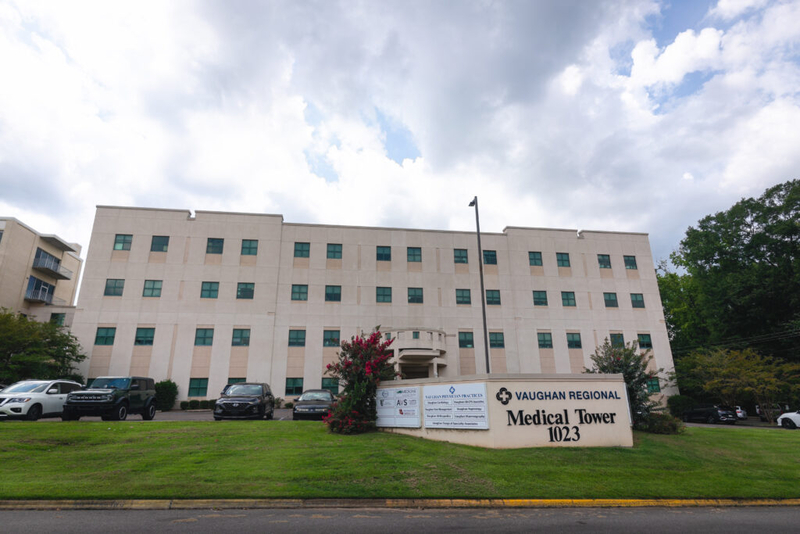
Vaughan Regional Medical Center in Selma, AL, on Tuesday, Sep. 3, 2024 in Selma, Ala. The hospital was one of many to receive a grant in the first round of awards in the Rural Health Transformation Program on Monday. (Will McLelland for Alabama Reflector)
The first round of federal grants in a program aimed to partially offset Medicaid cuts were awarded Monday afternoon to over 80 unique healthcare and educational institutions across the state.
The grants are awarded through the Alabama Rural Health Transformation Program (ARHTP), which is funded by the One Big Beautiful Bill Act (OBBBA). It distributes $50 billion in grants through the U.S. Centers for Medicaid and Medicare Services (CMS) to the states over five years for rural health care.
“Alabama is serious about creating systematic changes through the ARHTP to ensure every citizen has access to quality care,” Gov. Kay Ivey said in a statement. “This program is enabling institutions covering every part of the state to improve healthcare for Alabamians through projects that are both innovative and sustainable.”
Alabama was awarded $203.4 million in December based on its application for 11 initiatives: Collaborative Electronic Health Record (EHR), IT and Cybersecurity; Rural Health; Maternal and Fetal Health; Rural Workforce; Cancer Digital Regionalization; Simulation Training; Statewide EMS Trauma and Stroke; EMS Treat-In-Place; Mental Health; Rural Health Practice and Community Medicine – which will not receive funding until year three of the program.
Monday’s grants were distributed to the applicants who applied under the Rural Health, Rural Workforce, Mental Health, Rural Health Practice and Collaborative Electronic Health Record, or IT and Cybersecurity initiatives, according to a press release. Ivey announced 138 grants were awarded, totalling more than $144 million.
The program is administered through the Alabama Department of Economic and Community Affairs (ADECA). Applicants had to show that they could sustainably transform rural health.
“To say that there is great interest in improving rural healthcare in Alabama is an understatement,” Kenneth Boswell, director of ADECA, said in a statement. “This announcement comes at the end of a process that included six packed-house informational meetings in different locations throughout the state, five grant application workshops and hundreds of grant applications.”
U.S. Rep. Robert Aderholt, R-Haleyville, said in a statement that the grants will give hospitals the resources they need to serve their communities. Aderholt represents Alabama’s 4th Congressional District, which covers the northwestern corner of the state and the foot of the Appalachian Mountains.
“Representing one of the more rural congressional districts in America has taught me that where a person lives should never determine the quality of healthcare they receive or the opportunities available to them,” he said.
But experts say one-time grants might not be enough to save rural hospitals.
According to a brief from KFF, a national health policy research organization, the fund could offset just over a third (37%) of the estimated federal Medicaid spending cuts in rural areas, which are projected to be $137 billion over ten years.
According to the University of North Carolina’s Sheps Center, nine rural hospitals have closed in Alabama since 2009. Only 30% of the state’s rural hospitals have labor and delivery units, leaving many expectant parents to drive long distances for care. Alabama is one of ten states that has not expanded Medicaid.
Alabama’s hospitals have long pushed for expansion, saying it would help hospitals on the brink of collapse survive, but Republican leaders have resisted it.
While Alabama House leaders have signaled openness to a public-private hybrid approach to expansion, the Senate has been hostile, and removed a provision from a 2024 gambling bill that could have provided money for the program.
U.S. Rep. Terri Sewell, D-Selma, said in a statement Tuesday that while the grant money is helpful, it is “like putting a Band-Aid on an open wound.” Sewell’s 7th Congressional District covers rural west Alabama and part of Birmingham. Many of the hospitals that have closed in the state have been in that region.
“They will not stop the bleeding caused by (President Donald) Trump’s healthcare cuts,” she said. “As I have said from the beginning, the best way for state officials to support our rural hospitals is by expanding Medicaid, which they refuse to do for political reasons. Alabama’s rural communities deserve better, and I will continue fighting to protect access to quality health care across our state.”
U.S. Rep. Barry Moore, R-Enterprise – who is also the party’s nominee for U.S. Senate – said in a statement that the grants will help rural Alabamians get access to care that those in urban areas have. Moore currently represents the 1st Congressional District, which covers the Wiregrass region of the state to Mobile and Baldwin Counties.
“Too many families in rural Alabama have had to travel too far or waited too long to get the care they need,” he said. “By strengthening our rural healthcare workforce, expanding mental health and emergency services, and giving local providers the tools they need to modernize, we are investing in the people and communities that make Alabama strong.”
U.S. Rep. Shomari Figures, D-Mobile, represents the 2nd Congressional District – which currently spans from the Georgia state line in Russell County to the Mississippi line in Washington County. He said in a statement Tuesday afternoon that the grants are a short-term fix to a long term problem.
“While these funds will provide some much-needed relief to our rural hospitals, we cannot forget that this funding came at the expense of kicking at least 10 million people off Medicaid, and expanding Medicaid in Alabama would provide a far greater benefit long term for our healthcare systems and our rural hospitals,” he said.
Montgomery