RI Energy bills are going up, then down, then up again. What to expect starting Oct. 1.
Sep 24, 2026 | 5:12 pm ET
Description
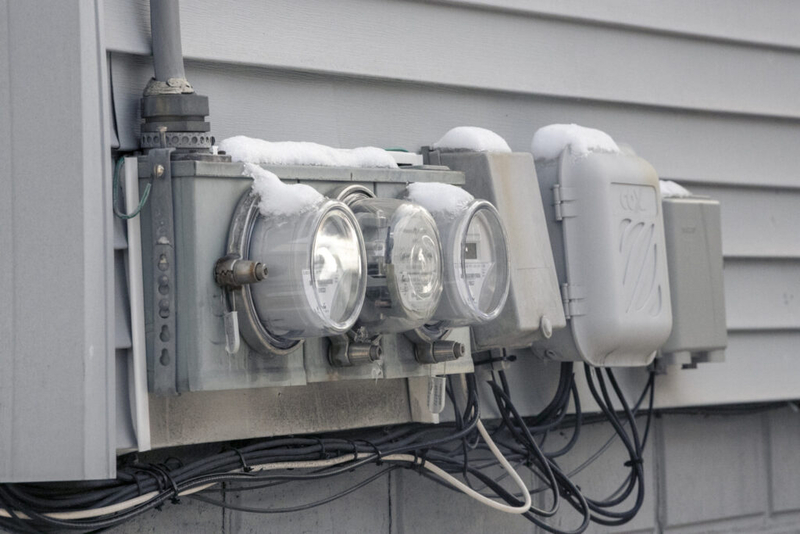
Seasonal electric price increases for Rhode Island Energy customers take effect Oct. 1. (Photo by Alexander Castro/Rhode Island Current)
The seasonal spike in electricity bills won’t burn as big a hole as usual in Rhode Island Energy customers’ wallets.
At least, not this year.
The Oct. 1 start date for the six-month period of higher electricity pricing coincides with the beginning of a separate set of company-issued refunds, mandated under the 2022 sale of the state’s poles, wires and gas lines.
The net impact for the average residential electric customer is a monthly increase of $16.42 starting Oct. 1.
Starting in January, a second set of customer discounts from the state’s regional gas cap-and-trade program revenue will reduce bills by another $20.45 for each of the first three months of 2027.
Buckle up! The energy bill roller coaster is about to begin.
Increased demand and limited availability cause natural gas prices to rise during the colder months, returning to a lower cost in the summer. Rhode Island Energy by law cannot profit off of electricity purchased from third-party suppliers, instead passing the prices directly onto its customers, following review by state regulators.
While the Public Utilities Commission has heavily scrutinized and at times forced Rhode Island Energy to temper service fee hikes, the panel cannot reject or alter the seasonal supply pricing unless there is proof that the company failed to meet procurement standards.
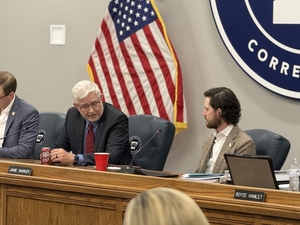
Chairman Ronald Gerwatowski acknowledged the cut-and-dry nature of its review of seasonal electricity price hikes during the commission’s meeting on Thursday.
“I think there was a lot of attention on it,” he said of the higher supply pricing, which has promoted mounting criticism from ratepayer advocates for years. “In the end, it was not complicated.”
The commission unanimously approved the seasonal electric rates almost immediately, without discussion. There was also no discussion on its stamp of approval for the winter bill credits, drawn from the state’s Regional Greenhouse Gas Initiative program.
Gov. Dan McKee, who pushed for winter bill discounts in conjunction with an emergency declaration over rising energy costs in July, praised the commission for backing his proposal.
“I’ve said for years that energy affordability is one of my top priorities, and that I will use every tool available to lower costs for Rhode Islanders,” McKee said in a statement Thursday. “This summer, we took unprecedented emergency action because families needed relief, and today we are delivering on that commitment. Together with the other relief we have secured, Rhode Island households are now seeing historic support on their energy bills at a time when they need it most.”
Rhode Island Energy acknowledged ongoing affordability concerns in an emailed response to Rhode Island Current.
“Together, these credits will help offset bill impacts while we continue to deliver safe, reliable service,” said Michael Dalo, a company spokesperson.
Winter 2027 is coming
The combination of bill credits and customer refunds will continue to provide relief on energy bills through next fall. But market-driven prices are forecasted to keep rising, hitting customers just as the final credits end.
Electric pricing could surge to 19.2 cents per-kilowatt-hour starting in October 2027, according to mandated forecasts submitted by Rhode Island Energy to state regulators. If the forecast proves correct, this would be the highest electricity supply pricing in state history, more than 7% above the last record high, during the 2022-2023 winter season. On the lower side, base pricing could be 17.81 cents per-kilowatt-hour, which is slightly below the record from four years ago, but higher than the price for the upcoming winter.
Asked about its future forecasting, Dalo reiterated that supply costs are out of the company’s control, and several procurement cycles away.
“At this time, we are focused on supporting our customers through the current winter,” he said.
Energy costs dominated Rhode Island’s election cycle, with candidates from federal, state and local offices and both political parties centering their campaigns on cost-of-living concerns.
McKee, who lost his reelection bid to Democratic challenger Helena Buonanno Foulkes in the Sept. 9 primary, sought unsuccessfully to change state decarbonization mandates and energy efficiency programs to cut customers’ bills. McKee’s plan was stricken from the final fiscal 2027 state budget approved by lawmakers.
Foulkes has not said specifically how she will defray rising energy costs, but insisted that climate change goals and cost concerns are not mutually exclusive.
Ken Block, an independent gubernatorial candidate, has also targeted “hidden fees” in energy bills as part of a broader plan to relieve residential cost pressures. In an interview on Thursday, Block suggested replacing the fees associated with renewable energy projects, some of which are charged to every customer regardless of their use of solar panels or other renewable options, with money from the state’s general revenue fund as a “fairer” solution.
Republican gubernatorial nominee Aaron Guckian has also called for reexamination of the state’s renewable energy mandates, using “innovation competition and technology” to incentivize green energy rather than customer charges.
Customers in seven municipalities — Barrington, Central Falls, Narragansett, Newport, Portsmouth, Providence, and South Kingstown — can also opt out of the Rhode Island Energy prices, instead participating in a community aggregation plan that leverages bulk buying power to secure lower-priced electricity for its residents. Winter electricity prices through the Community Electricity Aggregation plan, which begin Nov. 1, have not been announced.
About 30% of 780,0000 Rhode Island Energy customers already opt out of the company’s default electric prices.
Providence, RI