Removal of sugary snacks and drinks from SC grocery benefits delayed after court order
Aug 27, 2026 | 5:07 pm ET
Description
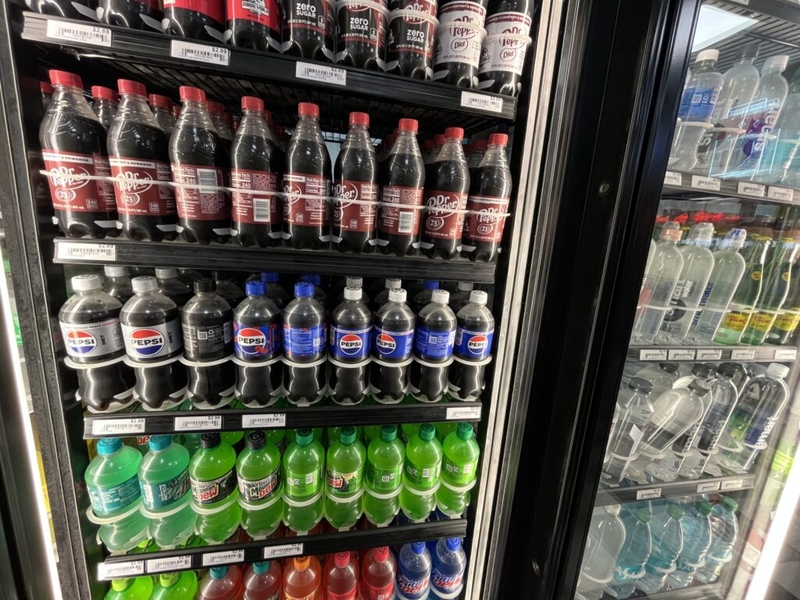
Bottles of soda, pictured in Shawnee, Oklahoma, on June 8, 2025, are among food items that wouldn't be eligible for purchase using grocery benefits in South Carolina under a waiver. (File photo by Janelle Stecklein/Oklahoma Voice)
COLUMBIA — South Carolinians who use grocery assistance can continue to buy candy, sodas and other sugary drinks until at least November following a federal court decision voiding the program in other states.
At Gov. Henry McMaster’s direction, the state submitted a proposal last year to remove certain items considered unhealthy from the list of food and drinks people could buy using aid from the Supplemental Nutrition Assistance Program, commonly known as food stamps.
The program was slated to begin Monday, which was intended to give retailers time to prepare for the changes approved in December.
But in a letter this week, the USDA told the state to wait until Nov. 1 as the agency reviews what the federal court order means for the program.
In the meantime, the agency will get more public comments from retailers and SNAP recipients, according to the letter released Thursday by the state Department of Social Services.
That follows a ruling in June from U.S. District Judge Amy Berman Jackson that the agency circumvented a legal requirement to get public feedback.
South Carolina was among 23 states to get federal approval of the limitations as part of the “make America healthy again” initiative. People in five of those states sued, arguing they needed certain foods on the prohibited list for health reasons.
A woman with diabetes said juice boxes and small cans of soda help keep her blood sugar under control. A mother said her autistic daughter only eats certain “safe” foods, most of which Tennessee’s changes would ban. And a man with insomnia and multiple allergies said he relies on low-sugar energy drinks to stay awake, since he’s allergic to coffee and tea.
In her opinion, Jackson decided the changes violated federal law. Last week, the USDA filed an appeal.
Jackson’s ruling directly halted changes in the five states where the plaintiffs live.
The changes have met pushback from advocates for the poor, who say people using federal assistance should be allowed to decide for themselves what they want to eat. Using a government benefit doesn’t mean a person is incapable of deciding what’s best for them and their family, advocates have said.
Jackson emphasized that her order wasn’t a reflection on the idea of the program itself but on whether the pilot program followed the letter of the law that created grocery assistance.
“The federal defendants and the states may have a genuine desire to improve the health of SNAP households by encouraging healthy choices at the store, and they can take lawful steps to meet those goals,” Jackson wrote. “But what they cannot do is violate the law and their own regulations along the way.”
Each state made its own decisions about what items to prohibit from SNAP.
In South Carolina, people using benefits could not buy energy drinks, candy bars or certain sweetened beverages, such as ready-made lemonade, tea and sweetened coffee. Not on the list were granola bars, natural fruit and vegetable juice, sports drinks or baked goods.
Last month, 230,439 households in South Carolina received SNAP benefits, according to the latest data from DSS.
Those who make 130% of the federal poverty level or less, which is $42,900 for a family of four, can qualify for SNAP. Under changes included in last year’s major spending bill, childless adults without a disability must work at least 20 hours each week to receive benefits for more than three months.
The court case
While Jackson’s decision involved programs in Colorado, Iowa, Nebraska, Tennessee and West Virginia, her reasoning went further.
The original 1964 Food Stamp Act, which involved actual paper stamps, and its subsequent revisions give the USDA the ability to create pilot programs, with certain stipulations.
When the agency asked states to come up with proposals, Secretary Brooke Rollins pointed to a section that deals with the program’s administration, according to court documents. But changing what qualifies as “food” under the law is not an administrative function, Jackson wrote.
Because of that, the waiver program didn’t meet the criteria legislators established, she wrote.
“Congress defined what ‘food’ is supposed to be, and it did not authorize the agency to amend or waive the definition it enacted,” Jackson wrote. “It did not authorize the agency to cut types of food out of SNAP entirely.”
A separate part of the law allows the USDA to create programs meant to “improve the dietary and health status of households” using SNAP, or “to reduce overweight, obesity (including childhood obesity), and associated co-morbidities,” Jackson wrote.
The agency didn’t evoke that portion of the law when approving the waivers. Those programs “are required to meet more stringent mandatory criteria,” including specific data collection and reporting requirements, Jackson wrote.
The USDA also failed to give public notice before putting the programs in place, which the law requires for any changes that “will likely have a significant impact on the public,” Jackson wrote. The agency must evaluate the program depending on the public response, the law reads.
The agency argued the pilot programs didn’t meet that criteria because they didn’t change who could enroll in SNAP.
Jackson wrote that the changes would still have a major impact. Hundreds of thousands of families use SNAP across the five states where people sued, and the changes would affect all of them, she wrote. Federal and state officials touted the changes as monumental, suggesting they understood how much of an effect the program would cause, the order reads.
In the letter to South Carolina’s Department of Social Services, the USDA said it would follow that requirement. The USDA’s Food and Nutrition Administration will post a notice in the federal register, giving the public 30 days to review the changes and submit comments, administrator Shiela Corley wrote.
The agency is reviewing the rest of the order to determine how to proceed, Corley wrote.
- 6:23 pmThis article has been updated to reflect that it's unclear how many other states with approved waivers have been told to delay or suspend their changes.
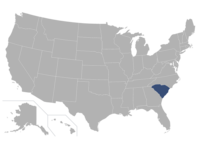
Columbia