Utah has 2 new officials helping to steer the state’s response on the Great Salt Lake
Sep 18, 2026 | 7:02 am ET
Description
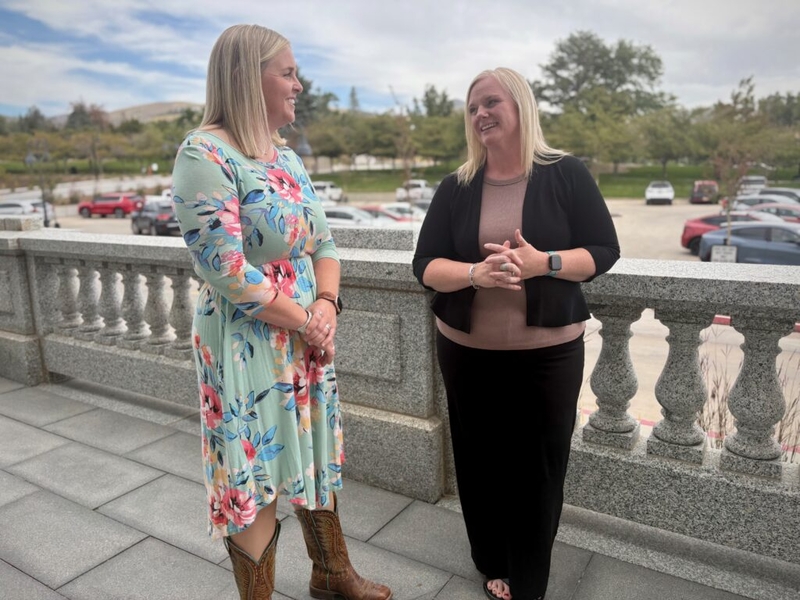
Great Salt Lake Commissioner Hannah Freeze and Department of Natural Resources Commissioner Jamie Barnes are pictured at the Utah Capitol on Tuesday, Sept. 15, 2026. (Annie Knox/Utah News Dispatch)
It’s a season of change for state leadership on the drying Great Salt Lake.
Utah has a new lake commissioner, Hannah Freeze, and a new chief leading the Department of Natural Resources, Jamie Barnes, after the Senate voted this week to confirm them.
Both are familiar faces. They were promoted from within their agencies and praised by lawmakers and colleagues at the Capitol this week. Come next year, they’ll be joined by a new Senate president, a top decision-maker on policy and funding for the lake and other issues facing the state, after the defeat of Sen. Stuart Adams in the Republican primary.
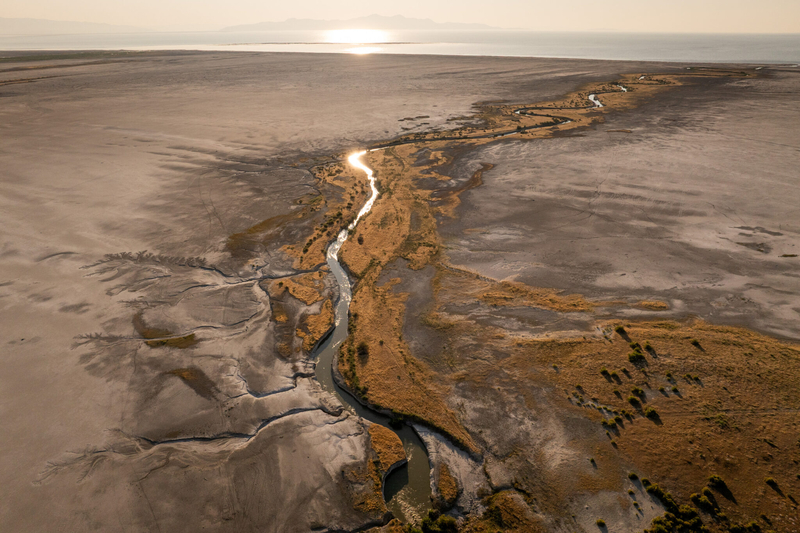
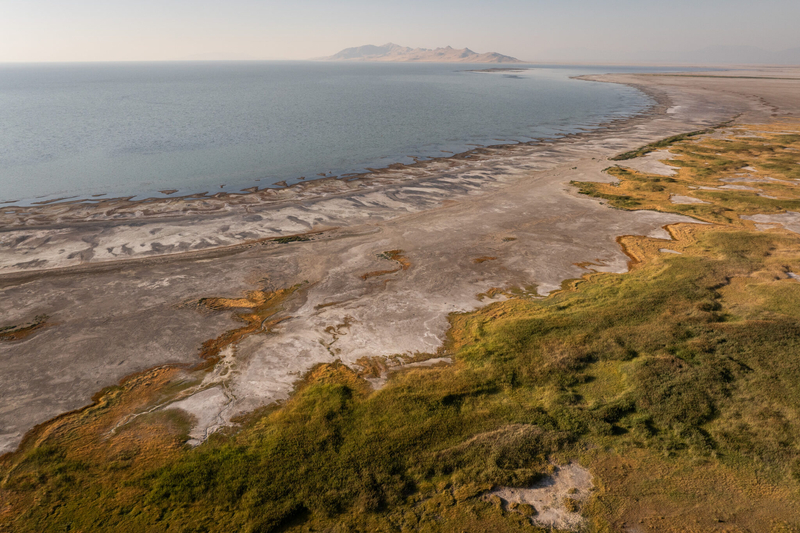
The new crop of leadership comes as the lake dips back toward 2022’s historic low due to decades of drought, climate change and redirection of water, most of it for agriculture. The lake reached its lowest level on record four years ago before a season of record snowfall helped replenish some of it, but it has since dropped back down.
Its decline threatens Utah’s environment and economy. It’s also raised concerns about public health as dust containing heavy metals kicks up from its exposed lake bed.
Hannah Freeze, who’d been serving as deputy Great Salt Lake commissioner, replaces Brian Steed, who left to take a role as vice president at Utah State University.
“I couldn’t be happier to get the opportunity to be the quarterback and pull our many interested stakeholders into the Great Salt Lake huddle,” she told members of the Senate Natural Resources, Agriculture, and Environment Confirmation Committee on Tuesday.
Freeze, a former program manager in the Utah Department of Agriculture and Food’s water optimization program, noted she and her family run a farm in northern Utah’s Box Elder County.
“Many often think of the Great Salt Lake and agriculture as being one of the state’s largest collisions, but I see it as an opportunity to find solutions that protect agriculture, while also benefiting the Great Salt Lake,” Freeze told the committee. “The collision doesn’t have to be a negative one.”
She said she’s built trust and relationships with farmers around the state and wants to further develop collaboration with philanthropic groups, in addition to working with federal officials to secure the $1 billion President Donald Trump proposed for the lake.
Both Freeze and Barnes won praise in Tuesday’s hearing from Steed, representatives of the Utah Farm Bureau and the Great Salt Lake Watershed Enhancement Trust, and former Department of Natural Resources commissioner Joel Ferry, who stepped down over the summer and said he plans to consult and lobby. No one at Tuesday’s committee hearing opposed their nominations.
Freeze has faced criticism for selling hats in 2024 that said “Make alfalfa great again,” as much of the water diverted from the lake flows to irrigate the crop. Her office has said in response that the hats drew attention to the alfalfa’s value as part of the solution to water issues.
Barnes served as Utah’s state forester before the promotion, but also has a background in the department examining policy and issues relating to mineral extraction and to rivers and lakes, including the Great Salt Lake.
“I think what we’re really looking at on Great Salt Lake is, how do we get a really solid, long-term plan in place?” Barnes said after the hearing. She said the focus now is on managing a rock barrier separating the lake’s north and south arms to control salinity, stabilizing the ecosystem and managing dust. And she emphasized a need for long-term thinking.
“Really overall, it’s conservation and planning, and what does that look like for the state of Utah, and how do we push more water to the lake?” she said.
Ben Abbott, executive director of conservation group Grow the Flow, said of Freeze and Barnes that Utah “couldn’t have better leadership.”
And they have their work cut out for them. Abbott noted researchers have estimated it could cost the state hundreds of millions of dollars each year to replenish the lake.
“We either increase water flows to Great Salt Lake,” Abbott said, “or we suffer the consequences of the lake collapse that could come as soon as two or three years from now.”
Sen. Scott Sandall, who voted to confirm Freeze and Barnes, told Utah News Dispatch he believes the next Senate president will keep a focus on the lake.
“Whoever that president is, I think, will assume the role of knowing that the Great Salt Lake is important not just for Northern Utah but across all of the state, and quite honestly, across the region,” Sandall said.
Salt Lake City, UT