Public input planned as North Dakota lawmakers shape kratom plan
Aug 07, 2026 | 5:49 pm ET
Description
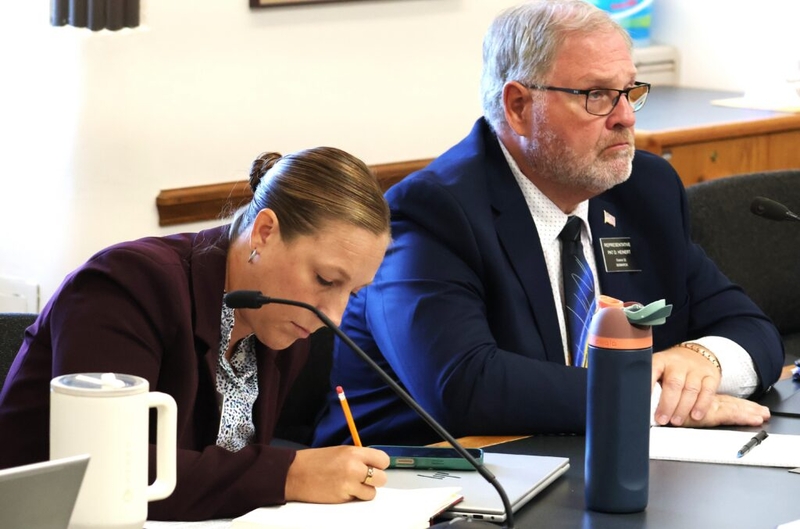
Sen. Michelle Axtman, left, and Rep. Pat Heinert, both R-Bismarck, listen during a meeting of the Legislature's Kratom Working Group on Aug. 7, 2026. (Photo by Jack Dura/North Dakota Monitor)
North Dakota lawmakers on Friday began talks about restricting kratom and related substances, part of a process the public will get to weigh in on next week.
Lawmakers are preparing for a special session next month called by Republican Gov. Kelly Armstrong to consider prohibiting and regulating aspects of kratom products, including criminal penalties. Kratom – temporarily banned statewide by Armstrong – is derived from a tropical tree in Southeast Asia that people use as an energy booster, for pain management and to cope with withdrawals from drugs such as fentanyl and heroin.
Two psychoactive ingredients known as mitragynine and 7-OH are found in kratom leaves. The latter is a frequent subject of officials’ concerns as an addictive, potent, synthetic product that until recently was available at gas stations and smoke shops. Armstrong linked overdoses and deaths to such items in banning kratom and related products by his executive order.
The Legislature’s five-member, all-Republican Kratom Working Group heard comments from fellow lawmakers about what issues they think are most important, such as prohibiting synthetic derivatives like 7-OH, allowing but restricting natural kratom products, considering what other states have done and weighing the science and effects of kratom.
Sen. Kristin Roers, R-Fargo, wondered whether the Legislature can adequately address kratom regulations within a three-day special session.
“If we’re going to do something in regulation, how do we possibly do that well enough in the short amount of time that we’re allowing ourselves, or do we continue the full ban until the full session and then have the regulation conversation then?” said Roers, a registered nurse.
The next regular legislative session begins in January.
Rep. SuAnn Olson, R-Baldwin, asked the panel to consider the extensive testimony from early last year on two kratom-related bills, in which many people detailed how natural kratom has helped them relieve pain. The testimony included multiple North Dakotans’ personal stories.
“We can’t just discount what that did for them,” Olson said.
House Judiciary Chairman Larry Klemin, R-Bismarck, pointed out that the Legislature already weighed kratom issues in those two bills, a mitragynine ban defeated in the House, and an optional kratom study lawmakers later chose not to do.
“I just wanted to make sure you were aware that we’ve had this all discussed, and thoroughly, not too long ago,” Klemin told the panel.
Working Group Co-Chair Sen. Michelle Axtman, R-Bismarck, called the 2025 testimony “incredibly outdated,” missing perspectives from parents, physicians and law enforcement. The issue is no longer the same, she said.
“I think we can look back at the testimony. We also have to look at what has happened since that testimony has occurred,” Axtman said.
Klemin recommended bills to prohibit synthetic versions of kratom and to allow but regulate the natural substance. He also suggested kratom could be merged into the state’s medical marijuana laws.
Other lawmakers expressed concern for how to help people who might experience withdrawals from kratom products, substances that became illegal in just a matter of days in North Dakota this month. Officials have recommended people in crisis call FirstLink at 988, or seek out resources by calling FirstLink at 211 or the state’s Behavioral Health Division at 701-328-8908.
Rep. Eric Murphy, R-Grand Forks, suggested lawmakers read scientific papers on kratom and 7-OH and distinguish between the natural product and synthetic derivatives.
“I think what we have to guard against is adulterated product, which is quite common, apparently, and that’s where the problem lies,” said Murphy, who teaches biomedical sciences at the University of North Dakota School of Medicine and Health Sciences.
In addition to his public health emergency executive order, Armstrong approved an emergency pharmaceutical rule to outlaw 7-OH as a controlled substance. He cited his actions to the U.S. Drug Enforcement Administration’s move last month to temporarily classify 7-OH and other compounds as a controlled substance.
Growing concerns prompt calls to address kratom substances in North Dakota
The working group will meet at 10:30 a.m. Wednesday at the state Capitol. Invited medical professionals and scientists will appear. The public may offer comments with a time limit per person, Co-Chair Rep. Pat Heinert, R-Bismarck, said.
He said he would like to hear from parents who have lost children. In the last five years, North Dakota logged 23 deaths in which officials attributed kratom or related substances as a part of the primary cause.
“That’s what started this whole thing,” Heinert, a former sheriff, told reporters. “We have to react to that. That’s our responsibility. We’re here to create laws to protect the people of North Dakota.”
He said he hopes for a ban on synthetic products and guardrails on natural kratom. The 2027 Legislature is likely to deal further with kratom topics. One subject could be improving addiction services for adolescents, Axtman said.
“I think the crisis regarding withdrawals and usage of kratom has maybe highlighted that,” Axtman told reporters.
In May, the North Dakota Public Health Association passed a resolution urging the Legislature to prohibit kratom and related products.
Association Vice President Mark Strand said he hopes lawmakers study kratom with a scientific approach and an empathetic eye.
“I think my ultimate concern is empathy for the users, because they’re not doing it to be bad actors,” said Strand, a professor in North Dakota State University’s Pharmacy Practice and Public Health Departments. “They’re doing it because of underlying issues that have led them there.”
North Dakota Monitor reporter Jack Dura can be reached at [email protected].
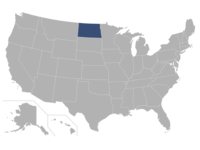
Bismarck, ND