Prescriptions for nutrition: Nevada program connects food banks to health care
Jul 27, 2026 | 8:00 am ET
Description
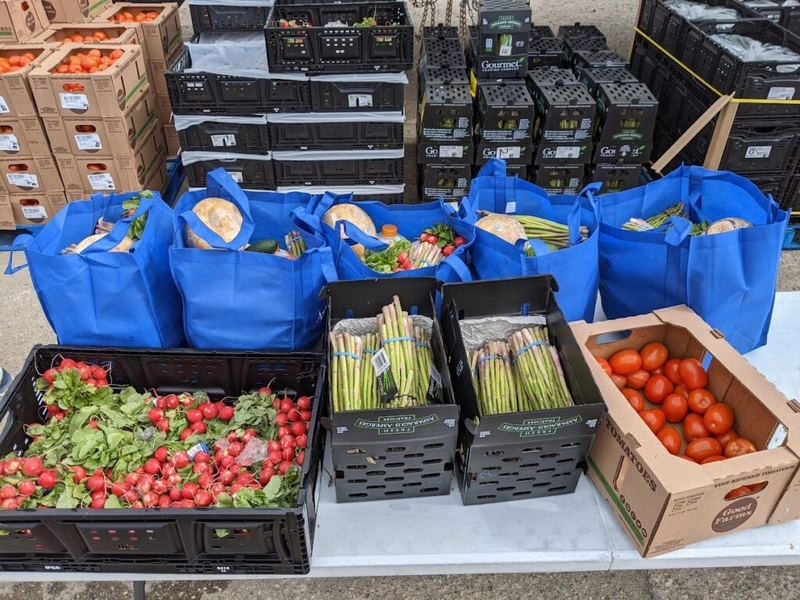
Mobile harvest delivery. (Photo coutresy of Food Bank of Northern Nevada)
For families across northern Nevada, fresh groceries can mean the difference between costly health outcomes and fewer trips to the emergency room.
Poor nutrition remains one of the leading risk factors for cardiovascular disease and other health disparities in the U.S., according to health experts. Early research also indicates that “food as medicine” initiatives including medically tailored groceries and meals are a cost-effective way to improve community health outcomes.
The Food Bank of Northern Nevada’s Prescription Pantry Program is one of the solutions nutrition advocates in the state have launched to pair local health clinics with fresh food and nutrition support for neighbors facing hunger.
Thousands of groceries have been delivered to medically vulnerable Nevadan’s through the program, which is supported by 14 health care partners and 14 partner food pantries across northern Nevada.
“Nutritious food plays an important role in health and well-being, but many people in our region do not have consistent access to the foods that support their health, preferences, and families,” said Frankie Ortiz, health equity manager at the Food Bank of Northern Nevada.
The model is also supported by the Feeding America’s Food as Medicine program, a national initiative funded by Anthem Blue Cross and Blue Shield Foundation and evaluated by the Center for Nutrition & Health Impact, a nonprofit research center.
A report published by Feeding America in July found that pairing food assistance with health care support led to real health gains for participants in Nevada, including a 13% drop in emergency room visits.
Program participants who picked up food more frequently were also less likely to report having to miss or delay medical care due to cost, compared with those who picked up food less often, according to the report.
Between April 2023 and December 2025, nearly 41,000 patients received food through the Nevada program, and nearly 100 were referred to the Supplemental Nutrition Assistance Program (SNAP).
The report is based on a total of 103 participants who responded to the baseline survey and follow-up surveys. The majority of participants were women (80%) and around two-thirds of participants identified as either Hispanic or Latino.
“There’s a lot of moving parts to this program. It’s really exciting because it finally proves that nutritious food is not only important, but can influence health outcomes. That’s important,” said Jocelyn Lantrip, the director of marketing and communications for the Food Bank of Northern Nevada.
Under the program, patients facing a cardiovascular condition or diabetes are screened for food insecurity and connected with food banks that offer the Prescription Pantry Program. Eligible Nevadans receive “a food prescription” that provides them access to a wide variety of nutritious foods, including lower-sodium options, dairy, and lean proteins.
“We know that heart disease and diabetes are significant health issues in our community. They’re very typical diagnoses that can be helped by nutrition,” Lantrip said. “Groceries in those pantries will have even more fresh produce and lean protein and whole grains and foods that are good for those diagnoses.”
The Food Bank of Northern Nevada launched the program in 2017, and expanded to rural areas in 2021 after receiving additional funding from Anthem Blue Cross and Blue Shield Foundation.
Nationally, the report found a 14% decrease in hospitalizations and an 11% drop in emergency room visit rates for patients participating in the program compared to the baseline. Food security among participants also rose nearly 7% under the program.
Las Vegas, NV