The Prescription Drug Affordability Board is working, it’s time to press forward, not back
Sep 26, 2026 | 6:14 am ET
Description
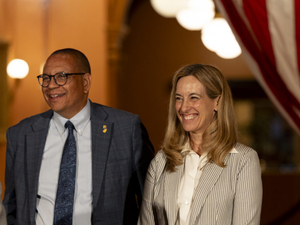
Maryland's pioneering Prescription Drug Affordability Board has not only made Maryland a leader in the fight for affordable drugs, writes Vincent DeMarco, it will save millions for state and local governments -- and could save Marylanders tens of millions. (Photo by Angela Breck/Maryland Matters)
A recent op-ed highlighted the author’s personal story about struggling to find the right drugs to treat a health condition. Unfortunately, the op-ed also painted a wholly inaccurate picture of the impact of Maryland’s groundbreaking efforts to bring down the cost of prescription drugs.
The fact is that the state is on the right path to standing up to the big pharmaceutical corporations and making drugs more affordable for Marylanders who now struggle to pay for them.
A little background about drug costs is in order.
Between 2008 and 2021, the median price charged by manufacturers for a new drug jumped from $2,115 to a staggering $180,007, and Americans pay roughly four times more than other wealthy nations for prescription drugs. These soaring costs cause increasing financial pain for many Americans, with KFF estimating that four in 10 Americans ration their medications due to cost. Drugs don’t work if people can’t afford them.
This crisis led to the creation in 2019 of the Maryland Prescription Drug Affordability Board, the first of its kind in the country. The board has worked diligently to set upper payment limits for certain high-cost drugs purchased by state and local governments.
This year, the board established upper payment limits for the purchase of two drugs, Ozempic and Jardiance, by state and local government entities. These upper payment limits are expected to save state and local governments more than $6 million a year. Looking ahead, the board will have the authority to set upper payment limits for high-cost drugs paid for by private insurance plans effective Jan. 1, 2028, which could save Marylanders over $160 million per year.
There is nothing radical about this approach. The federal government, thanks to former President Biden and Congress, has begun negotiating maximum fair prices on some high-cost drugs paid for by Medicare. After the government negotiated price limits on the first set of 10 drugs, prices for those medications went down between 38% and 79%, which is estimated to save Medicare recipients $1.5 billion in 2026, while saving the Medicare program roughly $6 billion a year. For the second round, the prices for 15 additional drugs are expected to decrease by between 38% and 85%, beginning next year. And it is clear that the Trump administration is effectively implementing this policy and will set negotiated prices on 15 additional drugs each year going forward.
While the cost of these drugs purchased through Medicare are dropping significantly, there is no evidence that pharmacies are unable to stock and sell these medications – the central concern raised in the op-ed. Average Americans continue to get the drugs they need but at reduced costs.
Polling in Maryland and nationally show strong support for doing more to rein in drug costs. A 2025 poll, for example, showed that two-thirds of respondents nationwide support having Medicare negotiate prices for all drugs it purchases.
The General Assembly will consider legislation next year to give the board the authority to set drug upper payment limits for Marylanders that match the limits set by the federal Medicare program. This will create new savings for Marylanders as their health plans pay less for medications. Again, there is no reason to think this will lead to drug shortages in Maryland pharmacies.
Big Pharma continues to reap enormous profits at the expense of average Americans, while trying to confuse the public about the issue. According to a recent report by Public Citizen, the top 10 drug corporations in 2022 spent many billions more on advertising and profit-making activities than on research. It’s worth noting that the op-ed author is affiliated with the organization Color of Gastrointestinal Illnesses. This organization is directly funded by a dozen pharmaceutical corporations, as detailed in this Public Citizen report on astroturf advocacy organizations. We can expect the pharmaceutical industry to continue to create false narratives to derail the board’s work and preserve its enormous profits.
Maryland has been a leader in the effort to make drugs more affordable and now is not the time to turn back.
Annapolis, MD