The forests Oregon ‘protected’ are burning
Sep 25, 2026 | 5:11 pm ET
Description
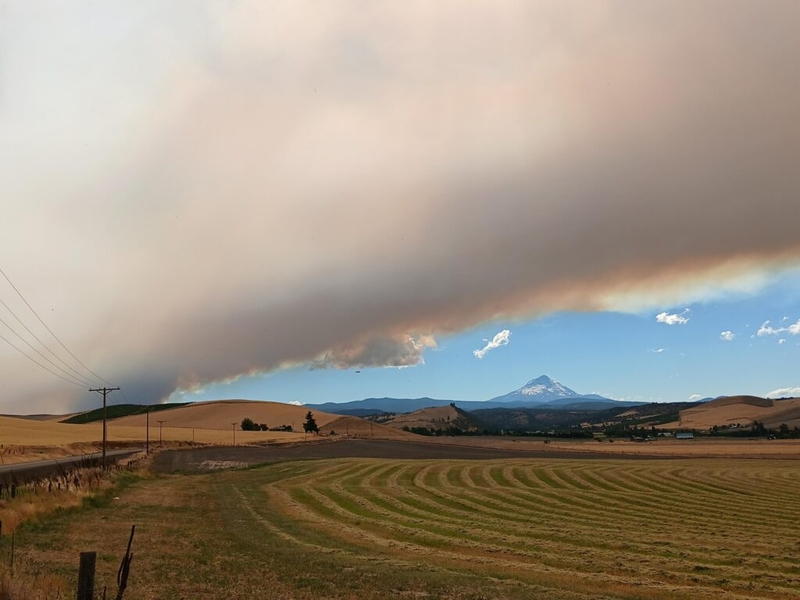
Smoke from the Grasshopper Fire drifts over Mount Hood. (Photo courtesy of Inciweb)
Oregon made history this summer, and not the celebratory kind. It’s a wakeup call: The system is broken and fixing it requires new thinking.
Over 2.5 million acres burned — more than any in recorded history, and 92% are on public lands. In the last decade, almost all catastrophic wildfire originated on public lands.
Something needs to change, and the now mostly contained Grasshopper Fire in the Mt. Hood National Forest is a prime example.
Beginning in 2019, the Wasco County Forest Collaborative — with representation from tribes, timber, conservation, state agencies and local groups — worked with the U.S. Forest Service on the Grasshopper Restoration Project to reduce hazardous fuels and wildfire risk.
After four years, the collaborative reached consensus on treating 5,280 acres — roughly one-half of 1% of the Mt. Hood National Forest — using Biden administration funds for high wildfire risk landscapes. Professional foresters and scientists concluded treatments would reduce wildfire risk.
One activist group was invited to participate, declined and then sued over the project. The Forest Service settled, making minor changes and paying the group’s attorneys $55,000 in taxpayer dollars. They celebrated “halting the logging of mature and old growth trees” in their annual report.
Now those “protected” acres are burning in the nearly 94,000-acre Grasshopper Fire, and years of collaboration were wasted.
Oregonians should be outraged.
No one is satisfied with summers defined by wildfire. We all want healthier forests and fewer catastrophic fires. That’s not controversial.
But here’s where the conversation gets uncomfortable.
When a proposed solution includes the word “logging,” many Democrats recoil. We say this as two native Oregonians who have worked within the Democratic Party.
That response is rooted in outdated ideology. A lot has changed in 50 years, including the climate and science-based forest practices. We can actively manage forests and protect the environment.
Policies born from debates in the 1970s shouldn’t be untouchable in 2026.
Case in point: In 2022, the timber industry worked with environmental groups to overhaul environmental protections on Oregon’s private forestlands. It was the most sweeping change to forest practices in 50 years. We rewrote laws dating to 1971, expanded environmental protections and secured the ability to keep operating.
Why can’t we have that conversation about federal forests?
If 2.5 million burned acres don’t make us question old assumptions, what will?
Numbers don’t lie: It’s not actively managed acres that are primarily burning. When private forests burn, landowners salvage burned trees, turn them into lumber and replant, turning those forests green again within years.
That largely doesn’t happen on federal land, in part because of outdated policies. Many federal forests are unnaturally overstocked and lack the access needed to manage forests and fight fires effectively.
Active management does not mean managing national forests like industrial timberlands. It means giving public land managers the tools and access to thin overcrowded forests, reduce hazardous fuels and respond to wildfire.
We’re not alone in asserting that active forest management activities like mechanized harvest and controlled burns reduce wildfire risk. Moderate conservation groups and wildlife organizations recognize the importance of these tools.
But anti-forestry groups have gained influence within the Democratic Party, contributing to a political culture where logging is viewed exclusively as an environmental threat.
The Grasshopper should cause Democrats to reconsider old assumptions. And Grasshopper is not an anomaly.
Breakthrough Institute found 10 organizations files 67% of forest management lawsuits examined. They won fewer than 25% of their cases, yet even unsuccessful lawsuits delayed implementation an average 3.7 years. During those delays, wildfire steps in.
Democrats serious about climate change should support active management tools before wildfire determines what these landscapes look like for generations. That includes cutting trees, and it must be economically viable.
California Democrats are leading by suspending environmental regulations to expedite wildfire mitigation. Oregon Democrats should consider ideas like this.
The party should also reconsider the influence anti-forestry groups have on forest policy. Collaboration means different interests working through disagreements to find common ground – not obstructing progress in court while forests burn.
Democrats can lead on this issue. Protecting Oregon’s forests today requires more active management, modernized policies and greater trust in professional land managers.
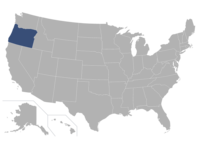
Salem, OR