To train and retain Washington’s future doctors, look to local med school, clinic partnerships
Sep 25, 2026 | 4:46 pm ET

Description
Washington state needs to do more to boost the supply of medical doctors, a family medicine doctor argues. (Getty Images)
How can we make sure that Washington has a strong pipeline of future doctors to care for our communities?
Whether you’re an Evergreen State doctor, a young person interested in medicine, a parent, a patient, or a policymaker, that question is central to the future of healthcare in our state.
As a doctor who helps train the next generation of Washington physicians, I see what’s at stake every day: when patients wait too long to see a doctor, manageable health concerns can become much more serious. Washington faces a growing shortage of primary care doctors, especially in rural and underserved communities. Stronger partnerships between our state’s medical schools and community clinicians are one way to solve this challenge and help future doctors train in our communities.
The need for more doctors is stark and growing
By 2030, Washington will face a shortage of more than 6,000 doctors, including nearly 1,700 primary care providers. Every one of Washington’s counties – from Spokane to Walla Walla to Pierce to Grays Harbor – currently has “health professional shortage areas,” defined as 3,500 or more patients for every one provider. Twenty-one communities here have fewer than one doctor per 10,000 people, putting Washington in the bottom half of the country for doctor availability.
This doctor shortage disproportionately affects our rural communities. In 2023, 25 of Washington’s 39 counties each had less than 1% of the state’s practicing doctors. Fewer local providers can mean longer waits, longer drives and delayed care, which can push patients toward more expensive urgent or emergency care. That lack of access has economic consequences, too, making it harder for employers in affected areas to recruit and retain workers.
Washington has already taken some important steps to fill the gap, such as providing preceptorship grants to nurse practitioners who agree to teach in a clinical setting and expanding access to virtual or telehealth appointments.
However, we need to do more — and that starts with connecting future providers with the communities where they’re needed.
Connecting future providers with communities where they’re needed
Our organization partnered with Washington State University — home to one of just three medical schools in our state — to help future doctors get in-clinic experience in communities in our state, build ties with patients, and then stay to serve those very same communities.
In our partnership, WSU medical students spend nearly a year immersed in hands-on, clinical learning with mentorship from Optum Care Washington doctors in clinics across King and Snohomish County. Where traditional training often moves students discipline by discipline through hospital-based rotations, these students learn multiple disciplines simultaneously in community-based outpatient clinics, working alongside Optum doctors as they care for patients over time.
This approach benefits patients, who can develop a relationship with a consistent care team; students, who gain exposure to the continuity of care they will experience as residents and practicing doctors; and clinics across Washington, which are connected with future talent. And, we prioritize these relationships when recruiting and hiring future residents and doctors.
Preparing the next generation of doctors to serve Washington communities will take a coordinated, cross-sector, long-term strategy. One of the most impactful steps we can take now is to expand and scale programs that recruit, train, and retain future doctors in Washington communities that need them most. Our leaders in Olympia have an opportunity to expand investments in residency programs, with a focus on primary care for Washington communities that need the next generation of health care providers the most.
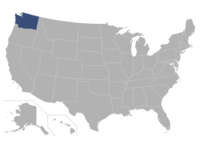
Olympia, WA