Portland City Council votes to block proposed Live Nation venue
Apr 28, 2026 | 12:29 pm ET
Description
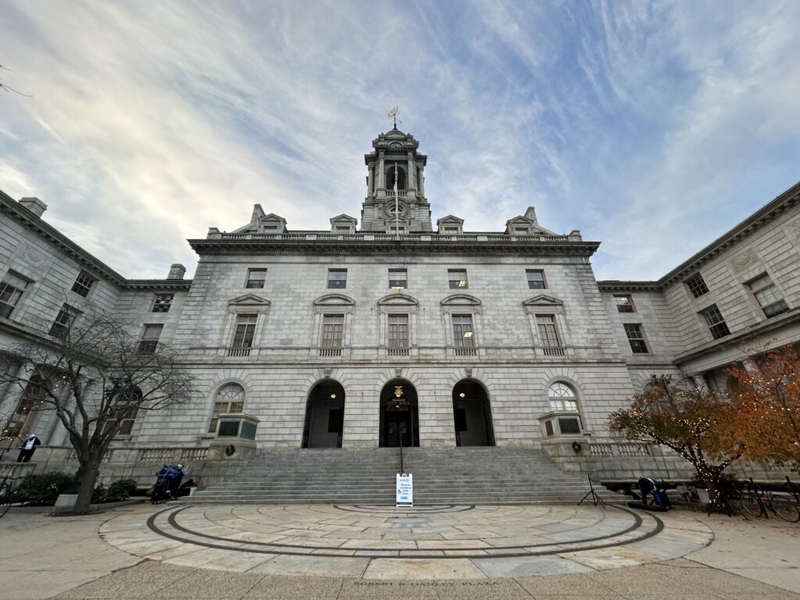
Portland City Hall. (Photo by AnnMarie Hilton/ Maine Morning Star)
The Portland City Council voted Monday night to block a proposal from entertainment giant Live Nation to build a 3,300 capacity venue in the city’s downtown.
City council members voted 5-4 to modify the city’s building codes, effectively killing the proposed Portland Music Hall, which would be built in proximity to Merrill Auditorium. The modified codes require a 750-foot separation between theaters or performance halls with a capacity above 1,000.
During the roughly three hours of debate, supporters of the change focused on Live Nation’s reputation and said the massive project would disrupt local neighborhoods against the wishes of city residents.
Portland hospitality worker Daniella Solano said the venue will impact safety and parking for Bayside neighborhood residents.
“This isn’t just a new venue… we have venues that can hold many different types of diverse acts,” Solano said, “what we are bringing in is a monopoly and we will be scorned by it.”
London Rodriguez, 17-year-old Baxter Academy student, described Live Nation as the “music mafia” and they are gentrifying the music scene by charging “egregious” fees that make live music less accessible. Earlier this month, a New York jury ruled that Live Nation abused fans and artists by engaging in monopolistic practices in a lawsuit brought by dozens of state attorneys general.
But critics of the rule change said it would deter future development and investment.
“It doesn’t matter what we think of Live Nation, targeting them based on not liking their business will sow serious doubts into the minds of developers,” said Nate DeLois, chief financial officer of boutique hotel developer Uncommon Hospitality.
“At a time when the city should be encouraging development to add visitors, to help sustain local businesses that rely on tourism, and to add housing units to make the city more affordable, the effects of such a decision would be devastating,” he added.
Devon Mederios, business agent for the local stagehand union IATSE Local 114, said the new venue would bring needed jobs and that the rebuffering would “set a dangerous precedent about who can do business here.”
“This project would mean a lot for the people who make…these events happen in the city of Portland,” Mederios said.
In a statement after the vote, the Maine Music Alliance, which organized a petition of local residents and venues opposed to the project, said it was an “an enormous victory” for the city’s independent music scene.
“This is a truly historic moment, not just for our local scene, but for the broader independent music community across the country,” said the group’s board president Peter McLaughlin. “Portland, Maine has shown what is possible when communities stand together. The opposition may have billions, but we have people. And people have the power.”

Augusta, ME