Poll finds NJ is split on who to blame for rising electricity rates
Aug 07, 2025 | 7:12 am ET
Description
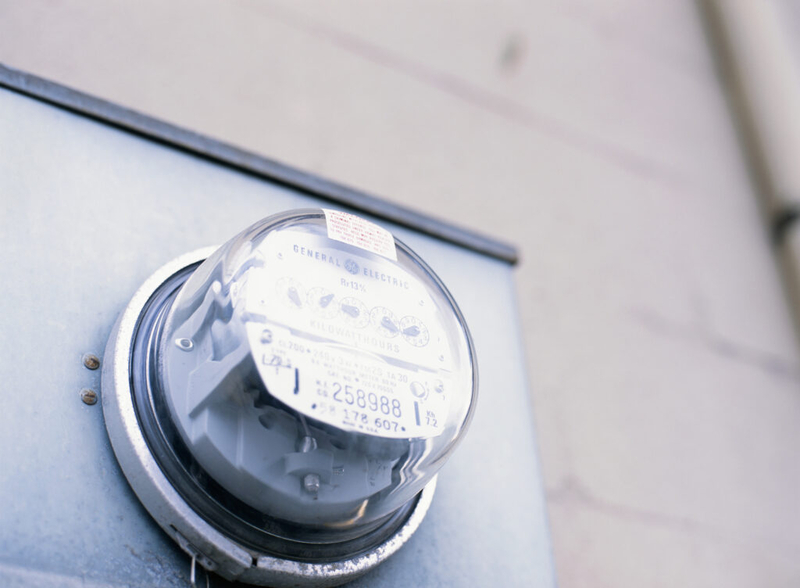
A plurality of likely New Jersey voters said regulated utilities that play no role in setting electricity rates were to blame for high prices. (Getty Images)
New Jerseyans don’t know who to blame for spiking electricity prices.
Likely voters in the Garden State said utility companies, Gov. Phil Murphy, legislators, power generators, and the federal government all share some responsibility for climbing electricity rates — but no one source shoulders a majority of the blame, according to a Fairleigh Dickinson University poll.
In recent months, Democrats have sought to blame PJM Interconnection, the state’s grid operator, for the increases. Republicans, meanwhile, have pointed to Murphy’s ambitious green energy goals, whose focus on offshore wind failed to materialize new generation for the state.
“People just aren’t buying that,” said Dan Cassino, the poll’s director. “Who do they blame? They blame utility companies, and they blame whatever politicians they don’t like. Republicans say it’s Governor Murphy, and Democrats say it’s President Trump.”
The poll comes roughly two months after increases to the wholesale price of electricity that were expected to boost ratepayer bills by roughly 20% took effect in early June.
A plurality of those polled, 26%, blame the increases on the state’s four regulated utilities — electric distribution companies like PSE&G and Jersey Central Power and Light that have no role in setting electricity prices.
New Jersey’s regulated utilities do not profit from the sale of electricity, which they pass through at cost from generators in New Jersey or the 12 other states on the grid run by PJM.
“All they know is the bill comes from PSE&G or whoever. If the rates go up, they think it’s their fault. We know that’s not the case, but that does show us that the attempts to say, ‘It’s these guys over here — it’s not us,’ haven’t worked,” Cassino said.
Nineteen percent of respondents told pollsters they blame the governor for rate hikes. Roughly one-third of Republican likely voters blame the governor, compared to 10% of Democrats and 16% of independents.
Another 14% blame state legislators, and 15% blame the federal government. Republicans were likelier to say state lawmakers are responsible — the Legislature is controlled by Democrats — while Democrats and independent voters were more likely to point to the Trump administration as a cause.
Just 10% said energy producers are responsible for rising rates, and 13% said they were unsure who is at fault.
Soaring power prices not enough to spur investment in new plants, experts say
Electricity demand is surging after decades of relative stasis, an increase driven by artificial intelligence data centers’ mammoth energy demands, a dearth of new power stemming from pandemic-era supply chain disruptions, and inflation, among some other factors.
The poll, conducted in partnership with the Fuel Merchants Association of New Jersey, a fossil fuels advocacy group, also showed little change in the types of electricity generation New Jerseyans think the state should leverage to meet data center demand.
As in a February poll from Fairleigh Dickinson University, 34% said the state should pursue more nuclear generation to fuel data centers, and 29% said the state should stand up more natural gas generation for that purpose.
Despite the unchanged topline, Democratic support for natural gas generation increased modestly from February, rising to 29% from the 22% recorded months earlier.
“I think that’s almost a sign of defeat among Democrats,” Cassino said.
Some Democratic legislators have said the state should pursue a more diverse energy mix in response to rising prices.
The question noted the state’s efforts at standing up new renewable generation had stalled did not present them as an option. A quarter of respondents said the state should forgo investments, like data centers, with high power demands.
Respondents looked at renewable generation more favorably than they did in February.
A plurality, 38%, said they would prefer New Jersey pursue renewable generation to meet future power needs from building electrification and electric vehicles, up eight points from a February poll.
“When we give Democrats the option of green energy, they go for it, but when it’s not an option, we’re seeing natural gas getting more popular, and I think that’s partially just a recognition of reality — we need to do something,” Cassino said.
Support for nuclear as a power source to meet future energy needs was static at 29%, and support for gas fell slightly to 29%, from 32% in February, due mostly to a 15-point drop in support among Republican respondents.
The poll sampled 806 New Jersey likely voters from July 17 to July 23 and had a 3.4% margin of error.
Trenton, NJ