PJM Interconnection issues alerts warning of tight electricity supplies
Oct 13, 2026 | 5:22 pm ET

Description
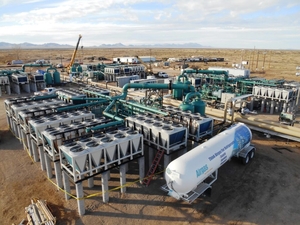
PJM Interconnection alerted power plant owners and electric utilities Monday of the need to take steps to avoid rolling blackouts as the demand for power approaches the grid’s current maximum capacity. (Photo by Peter Hall/Pennsylvania Capital-Star)
The electricity grid operator for a broad swath of the mid-Atlantic and Midwest warned this week that warm weather and maintenance outages could push the system close to its limits.
PJM Interconnection alerted power plant owners and electric utilities Monday of the need to take steps to avoid rolling blackouts as the demand for power approaches the grid’s current maximum capacity. It called on them to suspend maintenance and keep generators online where possible to ensure the grid remains stable through Wednesday.
Also on Monday, the U.S. Department of Energy (DOE) issued an emergency order at PJM’s request allowing it to order power plants to operate as needed, including exceeding limits on air pollution. Additionally, it allows PJM to direct data centers and other large users to switch to on-site back up generators before it is forced to institute rolling blackouts and curtail electricity exports outside of the PJM coverage area.
“This order will help ensure millions of American families and businesses across the mid-Atlantic have access to affordable, reliable, and secure electricity by making additional power generation, including backup power, available to use as needed,” U.S. Energy Secretary Chris Wright said in a statement.
He added the Trump administration is committed to using every available tool to prevent blackouts. He placed blame for current conditions on past leaders’ energy policies that he said have made the grid “more vulnerable to the risk of blackouts when the sun doesn’t shine or the wind doesn’t blow.”
PJM said Monday it has recalled or canceled transmission and generation outages to the extent possible. It expects generation capacity to be reduced by 62,000 megawatts during the alert.
In a letter to the DOE on Sunday requesting the emergency measures, PJM warned that due to the combined effects of increased demand, maintenance and significant export obligations, the grid is expected to be within 900 megawatts of its reserve margin. That’s roughly the equivalent of a single large power plant.
Based near Philadelphia, PJM’s footprint includes 67 million electricity customers in 13 states and stretches from New Jersey to Illinois and from the New York-Pennsylvania border to North Carolina.
Spokesman Jeffrey Shields said the conditions PJM is experiencing have been felt by regional grid operators across the country.
He said base load electricity demand is increasing faster than new generating capacity can be added to the system, while unpredictable weather patterns are reducing the time available for maintenance.
“This is the new reality that grid operators are facing, but PJM is confident that our procedures, along with the DOE orders, gives us additional tools to maintain our reserve margins and allow us to operate reliably,” Shields said.
Shields added that PJM is working with state and federal policymakers to address the conditions by increasing supply on multiple fronts, including accelerating the connection process for new plants and removing state permitting barriers that are outside of PJM’s jurisdiction.
Jon Gordon, senior director at renewable energy industry group Advanced Energy United, said it’s unusual to have an energy emergency in the autumn, when moderate weather causes electricity demand to ease.
“What’s usually a routine maintenance season is now an emergency,” he said. “It’s all reflective of the tightening of supply on the PJM grid.”
Gordon said the blame lies in PJM’s handling of a flood of renewable energy projects seeking permission to connect to the grid. The organization was so overwhelmed that it closed the queue from 2022 until earlier this year while it cleared the backlog and reformed procedures for interconnection requests.
And, in July, it fell 6,800 megawatts short of its goal to procure standby capacity, needed to ensure supply during times of peak demand. PJM holds auctions each year, when power plant owners bid on contracts to supply that capacity.
“That’s a big chunk of generation that didn’t really show up that PJM wanted to contract with, so now we’re seeing the consequences of that,” Gordon said.
In April, PJM announced that it had reopened its interconnection queue, accepting 811 new projects equivalent to 220,000 megawatts of new generating capacity. Under a reformed process, it said it would prioritize projects that were further along and better positioned to be completed by considering factors such as up-front financial commitments and ownership of land on which to build.
But David Masur, executive director of PennEnvironment, said the current crisis is the result of a lack of foresight by PJM.
“This is emblematic of the old adage, “You make your bed and then you lie in it,’” he said.
While the interconnection queue was closed, older fossil fuel power plants continued to retire, reducing overall capacity, Masur noted. And manufacturing lead times for major components of new power plants, such as turbines and transformers, have increased, slowing their addition to the grid.
PJM has prioritized natural gas-fired power plants over renewable energy resources like wind, solar and battery storage, which are cheaper, faster and cleaner.
“These are ideas that have been around for years and policymakers and advocates have been pushing them on this for years,” he said, adding that meeting demand on an emergency basis, “leads to decisions that are more expensive and dirtier for ratepayers.”
Monday’s alert is the second time this fall that PJM has asked plant and transmission operators to stay online during a forecast spike in demand. On Sept. 17, it issued a maximum generation alert and a load management alert.
The tighter conditions were driven by electricity exports to regions in the south and west experiencing unseasonably hot weather in addition to planned outages as the maintenance season began, PJM said.

Harrisburg, PA