Pennsylvania rolls out sexual assault evidence tracking system
Sep 29, 2026 | 3:59 pm ET
Description
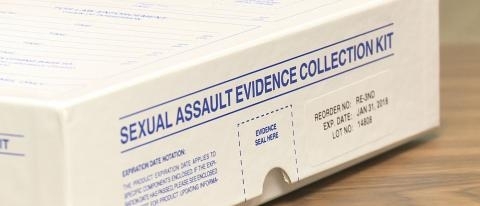
Sexual assault examination kit. (Photo from the U.S. Department of Justice, Office of Justice Programs, Bureau of Justice Assistance)
A system to track testing of sexual assault evidence kits is being piloted in three Pennsylvania counties ahead of a statewide roll out later this year.
The Pennsylvania Commission on Crime and Delinquency (PCCD) is working with Erie, Lancaster, and York counties to ensure the system is working as intended and ready to launch statewide in December, Lt. Gov. Austin Davis, who serves as chair of the PCCD, said.
The system is being launched about two years after Gov. Josh Shapiro signed Act 122 of 2024, which required the PCCD and Pennsylvania State Police to establish an online tracking system to allow sexual assault survivors to track evidence processing at each step.
The commission received a U.S. Department of Justice grant for $2.5 million in January 2025 to pay for the tracking system.
Davis noted that from 2023 to 2025, an average of 3,800 cases of rape were reported to law enforcement across Pennsylvania each year. Less than half of the cases were cleared, meaning police made an arrest or the case was resolved by other means.
“Quite frankly, that’s unacceptable,” Davis said. “This statewide tracking system will keep victims informed and help them get their power back. And we hope this new system will lead to more cases being solved and more perpetrators being put where they belong in jail.”
State Health Secretary Dr. Debra Bogen said the health care system is often the first place survivors turn after an assault. Sexual assault nurse examiners and other health professionals play a critical role by providing medical treatment, documenting injuries and gathering forensic evidence.
“Every response must begin with a recognition that focuses on the person at the center of it all-a person who deserves to be heard, supported, protected, and treated with dignity at every step,” Bogen said. “That includes ensuring that sexual assault kits that are collected are appropriately tracked and accounted for.”
When survivors choose to report an incident of sexual assault to police, preserving DNA and other evidence is crucial for investigators to identify and prosecute perpetrators. Sexual assault evidence kits or “rape kits” are used to gather and preserve such evidence to turn over to police for testing.
Joyce Lukima of the Pennsylvania Coalition to Advance Respect (PCAR) said the revelation several years ago that hundreds of thousands of rape kits remained untested across the country launched a movement. Survivors and advocates pushed for the kits to be tested and for a better way to account for new evidence through the National Sexual Assault Kit Initiative.
“That progress began with people who insisted that the unanswered questions mattered,” Lukima said. “Here in Pennsylvania, that call for accountability became a statewide commitment.”
Before Act 122 was passed and the tracking tool was developed and implemented, survivors often had no way to know what happened with evidence collected during post-assault treatment, Bogen noted.
“By investing in healthcare, sexual assault kit tracking, survivor services, and meaningful accountability, we create a system that is transparent, coordinated, and truly centered on the needs and dignity of survivors,” she said.

Harrisburg, PA